What characteristic leads to mercury bioaccumulation in predatory fish like amberjack?
Answer
Larger size and longer lifespan
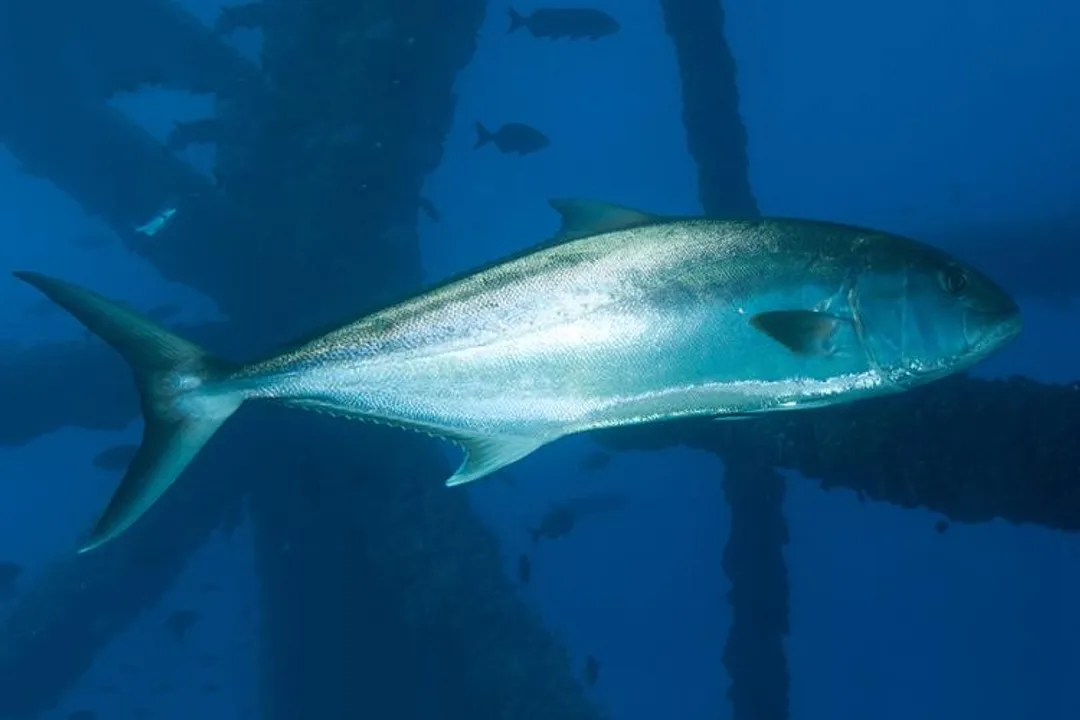
The health assessment of seafood requires consideration of potential environmental contaminants, most significantly mercury. Mercury contamination in the marine environment is a persistent issue that affects predatory species through a process known as bioaccumulation. This accumulation is directly correlated with the fish's trophic level, size, and age. Larger fish that have lived longer have had more time to consume contaminated smaller organisms, leading to a higher concentration of heavy metals within their tissues. Therefore, opting for smaller, younger individuals of species like Greater Amberjack is a practical strategy to inherently reduce cumulative exposure to these metals.
Related Questions
What is the typical protein content in a 100-gram serving of amberjack?Which mineral in amberjack is specifically noted for supporting bone health?What is the approximate total fat range, in grams, for a 100-gram serving of amberjack?If seeking a high dose of EPA and DHA, which fish should amberjack consumption be alternated with?What characteristic leads to mercury bioaccumulation in predatory fish like amberjack?Which U.S. agency monitors the stock health of Greater Amberjack in managed regions?What culinary outcome can result from overcooking amberjack fillets?Besides amberjack, what specific Japanese name is sometimes used for this species?What bodily function is supported by the useful levels of potassium found in amberjack?What consumption frequency is suggested for the average healthy adult incorporating amberjack into a varied seafood rotation?