Is it healthy to eat melons every day?
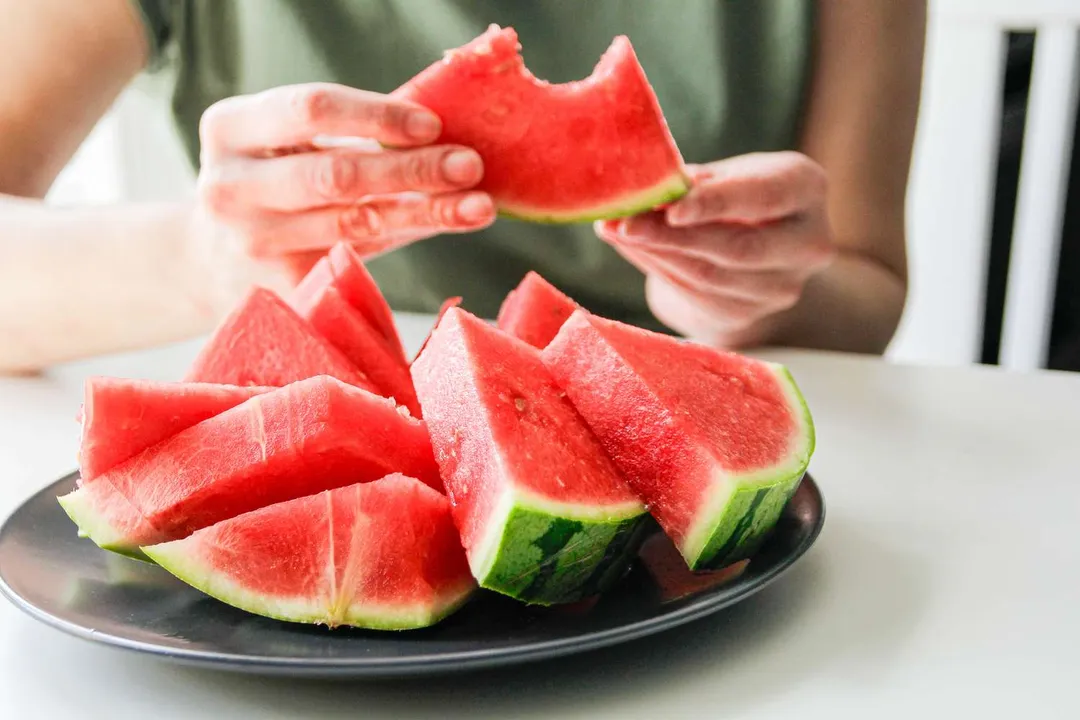
The idea of having a sweet, cooling slice of melon daily sounds wonderfully refreshing, especially when the weather heats up. Many of us view fruit as the ultimate guilt-free snack, and melons—like watermelon, cantaloupe, and honeydew—seem to tick every box for health food champions. But what actually happens to your body when you swap out other snacks for a consistent, daily dose of melon? Is this daily indulgence truly a path to better health, or could too much of a good thing eventually cause an issue? The answer, as is often the case with nutrition, involves a nuanced look at the amazing benefits alongside potential, though usually minor, drawbacks. [1][2]
# Hydration Source

Melons are champions of hydration, a fundamental requirement for nearly every bodily function, from regulating temperature to nutrient transport. [3] Watermelon, for instance, is composed of about 92% water. [1] Eating a significant portion of watermelon daily means you are actively contributing a substantial amount of your daily fluid needs through food, which is often easier to consume than plain water alone. [1] This high water content is excellent for maintaining overall fluid balance, which supports skin health and aids the body in flushing out waste products. [3] When you consistently eat watermelon daily, you are essentially giving your internal systems a steady, low-effort infusion of clean hydration. [2]
# Nutrient Density

While water makes up the bulk of melon volume, the remaining percentage is packed with vitamins, minerals, and beneficial compounds. [3][8] Different melons offer slightly varied profiles. Watermelon is famous for its high content of lycopene, a powerful antioxidant that gives the fruit its vibrant red color and is associated with protecting the heart and potentially lowering cancer risk. [1][3][6] Cantaloupe, on the other hand, often shines with exceptionally high levels of Vitamin A (in the form of beta-carotene) and Vitamin C. [9] Vitamin C is vital for immune function and collagen production, while Vitamin A supports vision and cell growth. [9] Eating a variety of melons daily ensures you are hitting diverse nutritional targets. [8]
For instance, a single cup of cubed cantaloupe can often provide well over the Recommended Daily Allowance (RDA) for Vitamin A, showcasing its density in this specific area. [9] Comparing this to a cup of watermelon, which might have less Vitamin A but significantly more lycopene, highlights the value of rotation rather than focusing solely on one type. [1][3]

# Cardiovascular Perks

One of the most frequently cited benefits of daily melon consumption, particularly watermelon, relates to heart health. [6][3] Watermelon contains an amino acid called L-citrulline. [1] Once consumed, the body converts citrulline into another amino acid, L-arginine, which is necessary for producing nitric oxide. [1] Nitric oxide is a gas molecule that helps blood vessels relax and widen, which can lead to improved blood flow and a potential lowering of blood pressure. [1][6] For someone incorporating a daily serving, this consistent, gentle support for vascular function is a notable benefit. [6] Furthermore, melons contain potassium, an essential mineral that helps balance sodium levels and supports healthy blood pressure regulation. [3][9]
# Digestive Flow
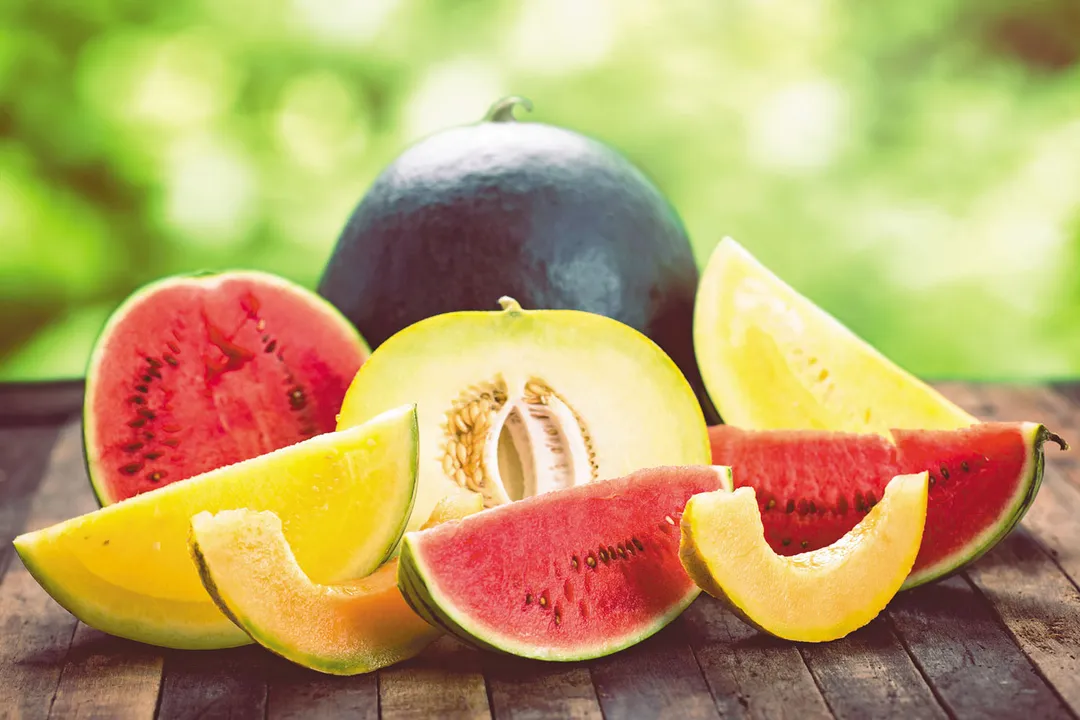
Incorporating high-water-content foods like melons into your diet daily is a great strategy for keeping your digestive system moving smoothly. [3] Melons provide dietary fiber, which is necessary for adding bulk to stool and promoting regularity. [3][8] The combination of fiber and high water content means that your gut flora has the necessary bulk and lubrication to pass waste efficiently. [3] For someone prone to sluggish digestion, swapping out lower-fiber processed snacks for a bowl of honeydew or watermelon could noticeably improve bathroom habits within a week. [2]
Here is a simplified comparison of the fiber content you might be adding daily with a standard two-cup serving of various melons:
| Melon Type | Approximate Fiber (grams) per 2 cups cubed | Primary Benefit Contributed |
|---|---|---|
| Watermelon | ~1.2 grams [1] | Hydration, Lycopene |
| Cantaloupe | ~3.4 grams [9] | Vitamin A, C |
| Honeydew | ~2.6 grams [8] | Antioxidants, Water |

# Potential Concerns Daily
While the benefits are plentiful, daily consumption isn't entirely without potential considerations, especially depending on individual health status and the quantity eaten. [5]
# Sugar Content
Melons, like all fruits, contain natural sugars (fructose). [7] Although these sugars come packaged with water, fiber, vitamins, and antioxidants—making them far superior to processed sugar—they still affect blood glucose levels. [7] For individuals managing diabetes or monitoring carbohydrate intake, eating very large amounts of melon daily without adjusting other carbohydrate sources could lead to blood sugar spikes. [7] It is important to remember that even though watermelon has a relatively high glycemic index (GI), its glycemic load (GL) is often low due to its high water content, meaning one serving doesn't raise blood sugar as much as a food with the same GI but less water. [7] However, if you eat many servings, that load accumulates. [7]
# Digestive Discomfort
For some people, melons can cause mild digestive upset. [5] This is often linked to FODMAPs (Fermentable Oligosaccharides, Disaccharides, Monosaccharides, and Polyols). [5] Watermelon, in particular, is relatively high in a type of sugar called fructose, which, in excess, can sometimes be poorly absorbed in the small intestine, leading to gas, bloating, or diarrhea in sensitive individuals. [5] If you notice increased stomach rumbling or discomfort after a week of daily melon eating, it might be worth reducing the portion size or frequency. [2][5]
# Lycopene Overload
While lycopene is a beneficial antioxidant, extremely high intakes over long periods are rarely studied thoroughly for side effects. [1] In very rare instances associated with massive consumption of lycopene-rich foods, a harmless, temporary yellowish-orange discoloration of the skin called lycopenemia can occur. [1] This is not dangerous but is a visual indicator that you are significantly surpassing typical dietary intake. [1]
# Kidney Considerations
For most healthy people, the high water and potassium content in melons are beneficial. However, individuals with advanced chronic kidney disease (CKD) must carefully monitor their potassium intake, as compromised kidneys may struggle to excrete excess potassium, leading to hyperkalemia. [5] If kidney function is a concern, daily, large portions of high-potassium fruits like cantaloupe or watermelon should be discussed with a renal dietitian. [5]
# Defining Daily Quantity
The crucial factor distinguishing a healthy habit from a potential problem is often portion size, especially when eating something every day. [7] A few slices or one modest bowl is fundamentally different from consuming half a large watermelon daily. [7] If you are eating watermelon every day for a week, a common, manageable amount appears to be around 1 to 2 cups per serving. [7] This allows you to reap the benefits of citrulline and hydration without overloading on sugar or volume. [2]
When you are aiming for daily fruit intake, it is important to budget your portions. Think of your daily fruit allowance not just in terms of calories, but in terms of the density of the nutrients you are getting. If you consume a very large portion of watermelon for breakfast, you might need to slightly moderate your apple or banana intake later in the day to keep your overall sugar and carbohydrate counts balanced, especially if you are sedentary. [7] This conscious balancing act ensures you are optimizing nutrient timing rather than just eating freely. [7]

# Integrating Melon Daily
To maximize the health rewards of daily melon eating, consider these practical adjustments to your routine:
- Mix Your Melons: Don't default to just watermelon. By rotating between watermelon (lycopene focus), cantaloupe (Vitamin A focus), and honeydew (general hydration/antioxidants), you ensure a broader spectrum of micronutrients over the course of a month. [8][9]
- Pairing for Absorption: Since the fat-soluble Vitamin A in cantaloupe requires some fat for optimal absorption, pair your morning cantaloupe with a small source of healthy fat, like a few slivered almonds or a dollop of Greek yogurt. [9] This simple nutritional pairing ensures the Vitamin A you are consuming is actually being used by your body, adding genuine value to your daily habit. [9]
- Timing Matters: Due to the high water content, consuming a large volume of melon immediately before or after a main meal might lead to feelings of being overly full or slightly diluted digestion. Try enjoying your daily portion as a mid-morning snack or a post-lunch palate cleanser instead. [1]
Eating melons every day offers significant advantages, primarily centered around hydration, specific antioxidants like lycopene, and heart-supporting compounds like citrulline. [3][6] The key to maintaining this as a healthy habit lies in moderation and listening to your body’s response, especially regarding digestive comfort and blood sugar management. [5][7] For the vast majority of people, a reasonable daily portion of these juicy fruits is a delicious, highly recommended addition to a balanced diet. [8]
Related Questions
#Citations
What Happens to Your Body When You Eat Watermelon Regularly
I Ate Watermelon Every Day for a Week—Here's What Happened
11 Top Watermelon Health Benefits That Nutritionists Say Are ...
5 Reasons Why You Should Eat Watermelon All Year Long
What Happens to Your Body If You Eat Too Much Watermelon
Fruit of the month: Melons - Harvard Health
How much watermelon is too much? : r/HealthyFood - Reddit
10 health benefits of eating melons regularly - Times of India
6 Nutritious Benefits of Eating Cantaloupe - Healthline