Who should not eat oily fish?

The general consensus across health organizations highlights the substantial benefits of consuming oily fish, primarily due to their high content of essential Omega-3 fatty acids, such as EPA and DHA, which are known to support heart and brain health. [2][8] These fats are critical for reducing the risk of cardiovascular events, including heart attacks and strokes, with some research suggesting a twice-weekly intake is protective. [5] However, this widespread recommendation comes with important caveats, leading to specific groups who must exercise caution or entirely abstain from these nutrient-dense sources. Deciding whether to skip oily fish often hinges on balancing the documented advantages against potential exposures to environmental toxins that accumulate in the fatty tissues of these species. [6]
# Contaminant Concerns
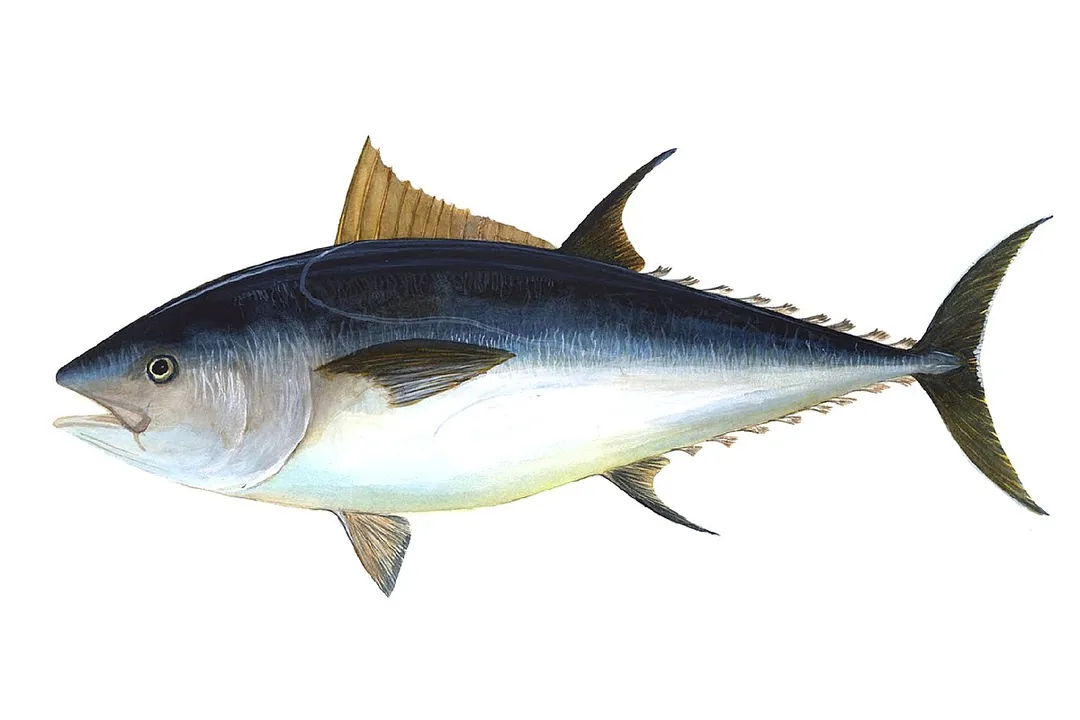
The primary reason individuals might be advised against eating oily fish relates to potential contamination with pollutants like methylmercury and polychlorinated biphenyls (PCBs). [6] These contaminants are fat-soluble, meaning they concentrate in the fatty tissues of fish, and oily fish, by definition, contain higher levels of these fats compared to their lean counterparts. [7]
Methylmercury is a neurotoxin that can be particularly damaging to the developing nervous systems of fetuses and young children. [1] The amount of mercury in fish varies significantly depending on the species, its size, and its age; larger, older predatory fish generally have higher levels. [1] While regulatory bodies like the FDA provide guidance on safe consumption levels, for individuals with high exposure risks, zero consumption is the safest route. [1]
PCBs, though largely banned in production decades ago, persist in the environment and can also bioaccumulate in fish, posing potential long-term health risks. [6] The concern here, similar to mercury, is cumulative exposure, especially when these fats are consumed regularly over a lifetime. [3]
# Sensitive Populations
Certain demographics face heightened risks from contaminant exposure, making strict dietary modifications necessary. The most critical group involves pregnant or breastfeeding individuals and young children. [1]
For women who are pregnant or planning to become pregnant, and for those who are breastfeeding, the advice centers on protecting the developing child. [1] Because mercury readily crosses the placenta and is secreted into breast milk, high exposure can impede neurological development. [6] Therefore, pregnant and nursing women are often advised to strictly adhere to guidelines regarding fish consumption, sometimes meaning avoiding certain types of large, long-lived predatory oily fish altogether, even those considered healthy in other contexts. [1] This requires consulting specific lists provided by health authorities that categorize fish based on mercury levels. [1]
Children, particularly those under the age of six, are also highly susceptible to the neurotoxic effects of mercury, warranting limited or no consumption of high-mercury varieties. [6] Their smaller body mass means that even moderate levels of contaminants can represent a higher dose relative to their weight.
If you are closely tracking your intake, especially during pregnancy, it can be useful to create a personal tracker. For instance, if a standard recommendation suggests two to three servings per week of low-mercury fish, you might calculate the total weekly mercury budget you are aiming for based on the FDA's safe intake levels for that demographic. This moves the decision from a generalized "avoid" to a precise, managed allowance, which can be reassuring for those navigating complex dietary needs. [1]

# Preexisting Conditions
While the majority of health advice focuses on contaminant avoidance, there are also considerations for individuals managing specific long-term health conditions, particularly concerning the blood-thinning properties of high Omega-3 intake.
Omega-3 fatty acids are well-known for their beneficial effects on cardiovascular health, including lowering blood pressure and reducing triglyceride levels. [2] However, in very high doses, these fats can act as mild blood thinners. [2] This property could be a concern for people with specific bleeding disorders or those already taking prescription anticoagulant medications, such as warfarin or similar prescriptions. Although standard dietary amounts are generally safe, anyone scheduled for surgery or already on prescription blood thinners should discuss their regular consumption of fatty fish with their cardiologist or surgeon. [2] It is usually a matter of degree—the beneficial effects often outweigh the slight thinning risk—but medical oversight is prudent in these specific cases. [2]
# Allergies and Personal Dislikes
Not everyone avoids fish due to toxicology reports; sometimes the reasons are more immediate and visceral. Fish allergies are relatively common, and while an allergy to one type of fish doesn't automatically mean an allergy to all fish, it necessitates complete avoidance of the identified allergen. [3] Severe fish allergies can trigger serious, life-threatening anaphylactic reactions, making avoidance a non-negotiable health requirement. [3]
Beyond medical necessity, simple preference plays a significant role. Some individuals genuinely dislike the taste, texture, or strong aroma associated with certain oily fish like mackerel or sardines. [3] For these people, the motivation to overcome personal aversion for a health benefit might be low, especially when safer, alternative sources of Omega-3s exist, such as flaxseeds, walnuts, or algae-based supplements. [2] If someone finds the taste intolerable, forcing consumption can lead to poor adherence to their overall diet plan, making sustained healthy eating less likely.
# Weighing Risk Versus Abstinence
It is crucial to contextualize why the topic of "who should not eat oily fish" is often discussed: because the majority should eat it. Several sources strongly advocate for fish consumption, positioning it as superior to many other dietary choices for heart health. [5][9]
Research has suggested that the risks associated with not eating enough oily fish—leading to insufficient Omega-3 intake—can be more detrimental to overall health outcomes than the risks posed by low-level contaminant exposure in commonly eaten varieties. [9] In the UK, for instance, one perspective highlighted that failure to consume oily fish twice a week might carry a greater long-term health cost than the risks from common environmental contaminants. [9] This indicates that for the average healthy adult, abstaining completely due to a low-to-moderate fear of mercury is often considered a net loss for cardiovascular and general health. [3][9]
This leads to an important distinction: the issue is less about oily fish broadly and more about which oily fish you choose. For an adult without specific contraindications, the focus should be on moderation and selection, rather than total prohibition. [1]
Here is a general comparison of how different groups might approach oily fish intake:
| Group | Primary Concern | Typical Recommendation |
|---|---|---|
| Healthy Adult | Low risk, high Omega-3 benefit | Eat 2 servings per week, focusing on lower-mercury options. [1][5] |
| Pregnant/Nursing | Fetal neurodevelopment | Strict adherence to low-mercury lists; some high-level predators are avoided. [1] |
| Individual on Anticoagulants | Blood thinning from high dose Omega-3s | Consult physician before consuming more than 2-3 servings weekly. [2] |
| Severe Allergy Sufferer | Anaphylaxis | Complete avoidance of the allergen species. [3] |
When considering which oily fish to limit, one can look at the spectrum of contaminants. While salmon, sardines, and herring are generally considered good, low-mercury choices that are encouraged, larger predatory fish like shark, swordfish, king mackerel, and tilefish are often highlighted by bodies like the FDA as the ones to avoid or limit severely, regardless of whether the fish is considered "oily" or not, due to high mercury accumulation. [1] Therefore, someone might be entirely restricted from eating high-mercury species like King Mackerel, but still encouraged to eat wild-caught Alaskan Salmon, which is an oily fish but generally very low in mercury. [1]
# Navigating Recommendations and Making Choices
For the person determined to include fish but worried about safety, the key strategy is substitution, not necessarily total abstinence. The FDA guidelines offer a clear structure that allows for balancing Omega-3 intake with contaminant minimization. [1] If an individual falls into a high-risk category (like pregnancy), they should swap out species that carry known high contaminant loads for those known to be safer, such as salmon, light canned tuna, shrimp, or pollock. [1] This substitution respects the need for Omega-3s while respecting the heightened sensitivity to mercury.
Another practical consideration, which sometimes gets overlooked in the mercury debate, involves sustainability and sourcing. While not a direct health contraindication listed in the primary safety advice, choosing sustainably sourced fish ensures you are supporting fisheries that manage their impact, which can sometimes correlate with lower levels of environmental pollutants in the final product. [3] For example, knowing the origin of your farmed salmon versus wild salmon can influence your perception of risk, even if both fit the "oily fish" category.
Ultimately, the decision of who should not eat oily fish is highly individualized. It shifts from an absolute "no" for those with severe allergies or specific medical contraindications to a nuanced "choose wisely" for vulnerable populations, and finally to a strong "yes, please" for the average, healthy adult prioritizing cardiovascular wellness. [5][9] The absence of fish in the diet, especially when other Omega-3 sources are neglected, appears to carry a tangible health cost that many are likely unaware of when they opt out entirely due to general apprehension. [9]
Related Questions
#Citations
Advice about Eating Fish - FDA
Omega-3 in fish: How eating fish helps your heart - Mayo Clinic
6 reasons you may not be eating fish and how to get over them - BHF
The FDA's New Advice on Fish: It's Complicated - PubMed
Eating fish twice a week reduces heart, stroke risk
Oily fish: Types, benefits, how much we should eat
Oily fish - Wikipedia
Fatty fish provide key omega-3 fatty acids to diet | UCLA Health
Not eating enough oily fish can be more harmful than smoking ...