Is sardine a healthy fish to eat?
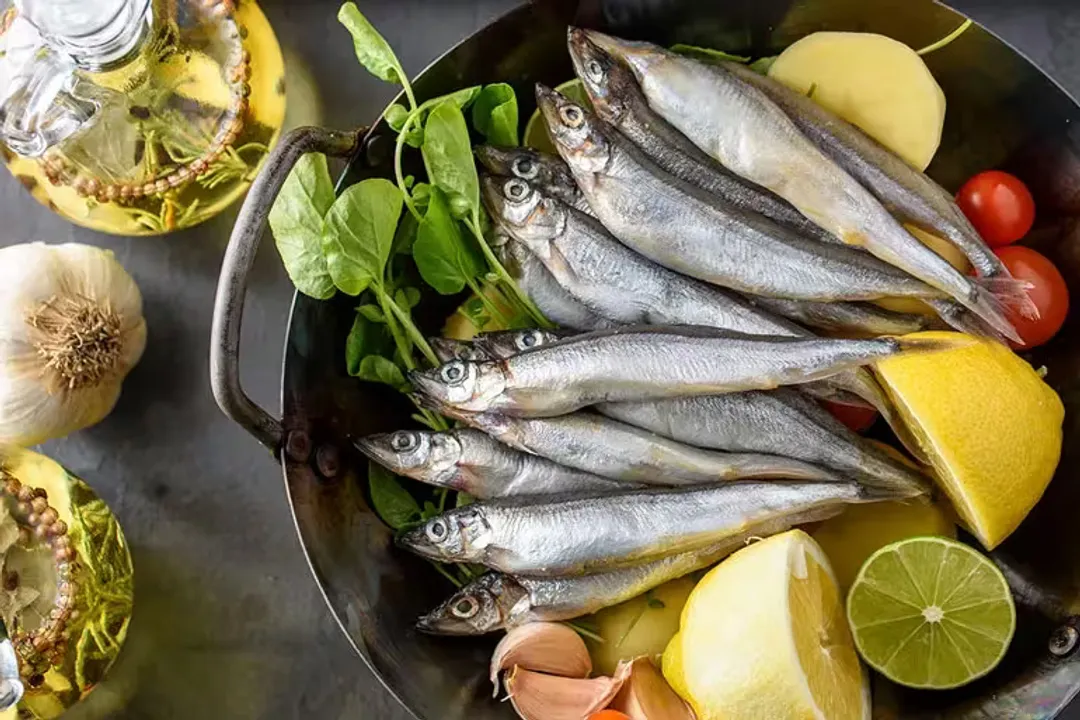
Small, oily fish packed in a tin have certainly moved from background pantry staple to main culinary event in recent times, sparking conversations about just how beneficial they really are. When we look at the sheer concentration of nutrients packed into these little silver packages, it is easy to see why many nutritionists and enthusiasts are championing the sardine as a top-tier food choice. This is a fish that comes ready-to-eat, boasts an incredible shelf life, and, critically, avoids the high mercury load associated with many of its larger ocean cousins.
# Nutrient Powerhouse

A deep dive into the nutritional label of canned sardines reveals why they generate so much enthusiasm. They are an excellent source of high-quality protein, offering substantial amounts that aid in muscle maintenance and repair. Beyond the macro, the micronutrient profile is where sardines truly shine. For instance, a standard can often delivers over 20% of the Daily Value for key minerals like calcium, selenium, and phosphorus, along with essential B vitamins, particularly B-12.
One of the most celebrated components is Vitamin D. Sardines are one of the few natural food sources providing this vital nutrient, which works hand-in-hand with calcium to optimize bone health. In fact, the edible bones included in canned varieties are the primary source of this bone-boosting duo. Furthermore, they provide a significant amount of iron—sometimes comparable to meat—making them a particularly valuable source for those reducing or eliminating red meat from their diet.
# Heart Defense Matrix

The high concentration of omega-3 fatty acids, specifically EPA (eicosapentaenoic acid) and DHA (docosahexaenoic acid), is central to the sardine's reputation for heart protection. Recommendations often suggest incorporating two servings of fatty fish weekly to reap these cardiovascular rewards. Studies indicate that consuming sardines can offer benefits that might even exceed what can be achieved through supplementation alone, thanks to the entire "matrix of nutrients" they provide.
This nutrient synergy—combining omega-3s with minerals like potassium, magnesium, and zinc—helps combat the inflammation and oxidative stress often linked to cardiovascular disease. Potassium, for example, plays a key role in blood pressure regulation by promoting healthy endothelial function. Research has specifically linked regular sardine consumption to positive changes in the lipid profile, including lowered triglycerides, improved HDL ("good") cholesterol, and reduced blood pressure.

# Bones Cognition
The impact of sardines isn't limited to the circulatory system; they actively support the nervous system and skeletal structure. The high levels of DHA and EPA are critical for maintaining brain health. For children, these fats are essential for proper neurodevelopment, and in adults, they are associated with improved cognitive function and increased gray matter in the brain. Choosing food sources like sardines ensures that the brain receives these necessary fatty acids alongside other beneficial compounds that supplements might lack.
Simultaneously, those soft, edible bones deliver calcium, while the fish itself provides necessary Vitamin D for its absorption. This combination is fundamental for bone health, which becomes increasingly important as we age. A practical way to view this is that by eating one small can, you are easily hitting a significant portion of your daily requirements for two major skeletal nutrients, a feat few other convenient foods can match.
# Diabetes Guard
There is compelling clinical evidence suggesting sardines can play a role in managing and preventing Type 2 Diabetes (T2D). Researchers have noted that omega-3s and the amino acid taurine may offer protective effects against T2D. A randomized controlled trial involving older adults with prediabetes found that those who consumed 200 grams of sardines weekly for a year had a significantly lower risk of progressing to T2D compared to the control group receiving standard nutritional counseling. Furthermore, this sardine-consuming group also showed beneficial metabolic markers, including better HDL levels and lower blood pressure and triglycerides—all positive markers for metabolic health.

# Toxin Levels
A frequent concern when discussing fish consumption involves heavy metals, particularly mercury. Due to their small size and position lower on the food chain, sardines accumulate significantly less mercury than larger predator fish like tuna or swordfish. Many health authorities agree that the low mercury levels found in sardines pose a low risk to the general population, including pregnant women, whose developing fetuses benefit greatly from the omega-3s found in these low-mercury options.
In fact, the presence of selenium in sardines is often discussed in tandem with mercury, as selenium plays a role in the body’s antioxidant systems and may help mitigate the toxic effects of any mercury ingested. It is worth noting that while the risks of mercury from sardines are generally low, experts often recommend choosing a variety of seafood throughout the week to ensure a broad range of nutrient intake and to avoid over-relying on any single source.
# Canned Caveats
While the advantages are numerous, canned sardines are not without considerations, most of which relate to the canning process or added ingredients. The primary nutritional flag is sodium. Canned varieties, especially those packed in brine or flavorings, can contain a significant portion of the recommended daily sodium limit in a single serving. For individuals managing hypertension, this requires attention.
Another concern is their purine content. Sardines are considered a high-purine fish. For individuals prone to gout—a type of arthritis caused by uric acid crystallization—or those with a history of kidney stones (which can also be related to uric acid buildup), high-purine foods should generally be avoided or consumed sparingly.
Finally, there is the packaging itself. The liners of some metal cans may contain Bisphenol A (BPA), a chemical that has raised general health concerns regarding potential links to fertility issues or cancer, though levels are often reported as low.
If you are selecting canned fish, one practical step is to always read the label: opt for sardines packed in water or high-quality olive oil rather than high-sodium marinades, and look for BPA-free cans if this is a concern for your diet. When comparing oil-packed versus water-packed sardines, the oil version will naturally carry more fat and calories, but this can be an intentional choice for those prioritizing flavor or following a low-carbohydrate diet where that added fat is welcome.
To best navigate the potential downsides, think about what you are replacing in your diet. If you swap a serving of sardines for a highly processed snack, the nutritional gain is massive. If you are replacing a high-purine food due to gout, you must weigh that against the omega-3 benefits—perhaps leaning toward white fish or supplements in that specific scenario.

# Smart Choices
Deciding how to integrate sardines involves balancing convenience, cost, and specific health goals. Fresh sardines, when available locally, often provide a milder, sweeter taste and are inherently lower in sodium than their canned counterparts. However, their short shelf life and preparation time make the tinned version the more accessible option for daily or weekly consumption.
When aiming for the maximum benefit, consider a strategy that incorporates variety and label awareness. For instance, if you are actively trying to increase your omega-3 index—which has been shown to drop significantly in populations not meeting fatty fish intake recommendations—sardines are a highly effective, affordable tool.
Here is an actionable way to think about your weekly intake: Instead of trying to determine the absolute healthiest fish, focus on consistent eating. Aim for at least one or two servings of low-mercury, fatty fish like sardines weekly to meet baseline heart health recommendations. On days when you consume canned sardines, make a conscious effort to balance the meal by ensuring the rest of your intake for that day is low in added sodium. Pairing sardines on whole-grain crackers with fresh vegetables, for example, shifts the overall meal profile toward balanced nutrition rather than just concentrating on the sodium in the tin. Furthermore, because they are wild-caught, sardines often align better with sustainability goals than some farmed varieties, which is another layer of health—for the planet—to consider when stocking your pantry.
# Final Verdict
Sardines stand out as an extraordinary, affordable source of nutrition that supports nearly every major system in the body, from the heart and bones to the brain and metabolism. They provide a nutrient package—including calcium, Vitamin D, protein, and substantial omega-3s—that is difficult to replicate with supplements or lean meats alone. While consumers must be mindful of sodium content in canned versions and the purine load if they have specific conditions like gout, the overwhelming consensus is that these small fish are a giant leap forward for dietary health. Integrating them regularly is a simple, effective move toward boosting essential nutrient intake.
#Videos
The TOP 3 Canned Fish You Should Be Eating for PROTEIN and ...
Related Questions
#Citations
Do you believe that sardine is the healthiest fish ? Mediterranean diet
What Happens to Your Body When You Eat Sardines Regularly?
Are There Health Benefits to Eating Sardines? - WebMD
Are Sardines Healthy? | Food Network
Eating more sardines instead of fish oil supplementation
3 Healthiest (and Worst) Fish For Your Health
The TOP 3 Canned Fish You Should Be Eating for PROTEIN and ...
Can Sardines Boost Your Health and Wellness?