Is amberjack a healthy fish to eat?
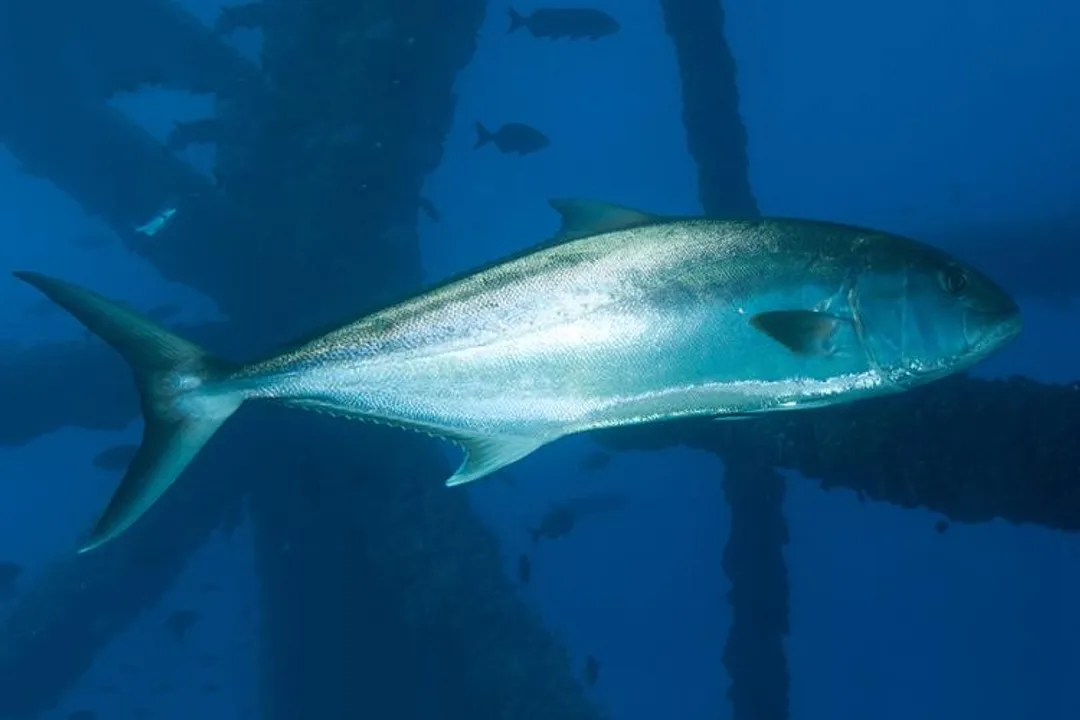
Considering amberjack on the dinner plate often brings up questions about its place in a balanced diet. This popular species, sometimes called kampachi or referred to generally as a prized catch, sits in a category of firm, white-fleshed fish that enthusiasts enjoy for its texture and distinct flavor profile. Determining if it is truly "healthy" requires looking past simple taste and examining its macronutrient composition, micronutrient density, and factors related to sourcing and potential contaminants.
# Nutrient Profile

From a purely caloric and protein perspective, amberjack offers a compelling case. A standard serving size, often cited around 100 grams or 3.5 ounces, delivers a substantial amount of protein while remaining relatively moderate in calories. For individuals tracking their intake, knowing the exact numbers helps set expectations. For instance, a 100-gram serving typically contains around 20 grams of protein, which is excellent for muscle maintenance and satiety.
The mineral and vitamin contribution from amberjack also warrants attention. It is a good source of several essential micronutrients. Readers interested in bone health might note its contribution of phosphorus, while those focusing on red blood cell formation will find useful levels of potassium. Comparing it generally to other commonly consumed fish shows that while it might not top every chart for specific vitamins, its overall density of key minerals makes it a valuable addition to weekly meal planning. If we estimate that a standard portion provides roughly 20% of the recommended daily intake for certain B vitamins, it supports overall energy metabolism effectively.
# Fat Content
The question of whether amberjack qualifies as a "fatty fish" is common, often stemming from confusion with its close relatives or simply its rich texture when eaten fresh. Fatty fish are typically celebrated for their high levels of Omega-3 fatty acids, essential fats that support heart and brain health. Amberjack does contain fats, but its classification isn't as straightforward as salmon or mackerel.
Based on specific nutritional data, amberjack contains a moderate amount of total fat per serving, often less than what is strictly defined as a high-fat fish. If a 100-gram serving contains approximately 5 to 8 grams of fat, this places it somewhere in the middle ground compared to very lean white fish like cod or very oily fish like sardines. A key consideration here is what kind of fat is present. While sources confirm it has a respectable amount of Omega-3s, it may require pairing with other foods to meet optimal intake goals. For example, if you are specifically seeking a high dose of EPA and DHA—the most beneficial Omega-3s—you might want to alternate amberjack days with consumption of fish known for significantly higher content, like mackerel or herring. My observation is that for home cooks trying to hit nutritional targets, viewing amberjack as a moderate fat source allows flexibility; you can add healthy fats during preparation, like using olive oil in a marinade, without overloading on fat content for that meal.

# Contaminant Load
A critical aspect of judging the healthiness of any seafood involves assessing potential environmental contaminants, most notably mercury. Mercury bioaccumulates in larger, longer-lived predatory fish, making size and species important factors in consumer choice.
The U.S. National Oceanic and Atmospheric Administration (NOAA) monitors the status of Greater Amberjack, which is the primary species consumers encounter. While NOAA focuses on stock health for fisheries management, this data indirectly informs consumer safety by tracking the species' population stability and management practices. Although the provided information does not list specific mercury advisories for amberjack, general guidelines suggest that larger predatory fish warrant attention. Therefore, a wise approach is to check current local or national seafood advisories regarding mercury levels for this species, especially for vulnerable populations like pregnant women or young children. When sourcing amberjack, opting for smaller, younger fish might inherently reduce the cumulative exposure to heavy metals, as these contaminants concentrate over a longer lifespan.
# Flavor Notes
For many, the pleasure of eating fish directly influences how frequently they incorporate it into their diet, making the taste profile relevant to long-term health habits. Amberjack is frequently praised for its firm, white flesh that holds up well to various cooking methods. It is sometimes described as having a clean, slightly sweet flavor, which is why it’s prized in Mediterranean settings and often sought after for raw preparations like crudo or sashimi.
Community feedback suggests that while it's delicious when fresh, it requires careful handling to maintain its quality. Some cooks note that overcooking can make it dry, underscoring the need for gentle cooking techniques to preserve its natural moisture and texture. This firm structure is a benefit when grilling or pan-searing, as the fillet is less likely to fall apart compared to flakier fish. Recognizing that this fish offers a robust texture appeals to those who prefer a 'meatier' fish experience over the delicate flakes of sole, for example.

# Stock Status
Evaluating health also extends to the environmental well-being of the species itself. Eating seafood that is responsibly managed ensures that our dietary choices support sustainable ocean ecosystems. For Greater Amberjack in the Atlantic, Gulf of Mexico, and Caribbean, NOAA manages the stocks.
Understanding the current stock status, which is regularly assessed, helps consumers make informed purchasing decisions based on sustainability ratings provided by third-party organizations. If the stock is currently assessed as "rebuilt" or "not overfished," choosing that option contributes positively to seafood security. It is beneficial for the consumer to look for eco-labels or utilize guides that track the status of species like amberjack to ensure that what they are enjoying today will be available for future generations. Considering the management bodies in place provides an extra layer of assurance that the fish you purchase is part of a regulated, monitored system.
# Final Verdict
Amberjack presents itself as a nutritionally sound choice, delivering high-quality protein and essential minerals in a moderate-fat package. It offers a distinct culinary experience that keeps it popular among seafood lovers. The decision to include it regularly hinges on balancing its excellent nutritional return with vigilance regarding potential mercury exposure and an eye toward sustainability tracking. For the average healthy adult, enjoying amberjack in moderation, perhaps a few times a month, while sourcing it responsibly, positions it well within a varied seafood rotation. The goal isn't to find one single "perfect" fish, but rather to cycle through species that offer different benefits, and amberjack certainly earns its place in that rotation due to its dense protein and mineral content.
Related Questions
#Citations
Ranking Fish by How Healthy They Are - MEL Magazine
Amberjack Nutrition - SnapCalorie
Is amberjack a fatty fish? - Quora
Should we be concerned about ciguatera in Amberjack fish?
[PDF] Amberjack - Fortune Fish & Gourmet
A Delicious Fish You Shouldn't Miss Out On: How Yellowtail Boosts ...
Anyone ever ate a Amberjack? : r/Fishing - Reddit
The amberjack: a precious blue fish - Ristorante Il Piccolo Mondo
Eating Amberjack; can you? - Tidal Fish Forum
Greater Amberjack: Seafood - NOAA Fisheries