Is eating oily fish good?

Incorporating oily fish into your regular diet is widely supported by nutritional science due to its exceptional content of essential fatty acids, particularly the long-chain omega-3s. [7] These fish, characterized by their high fat content distributed throughout their flesh rather than just under the skin, offer significant advantages for overall physical well-being. [1] The discussion around their goodness centers almost entirely on these specific fats, making them nutritional powerhouses often highlighted by health organizations for managing chronic conditions and supporting daily function. [5][7]
# Omega-3 Power
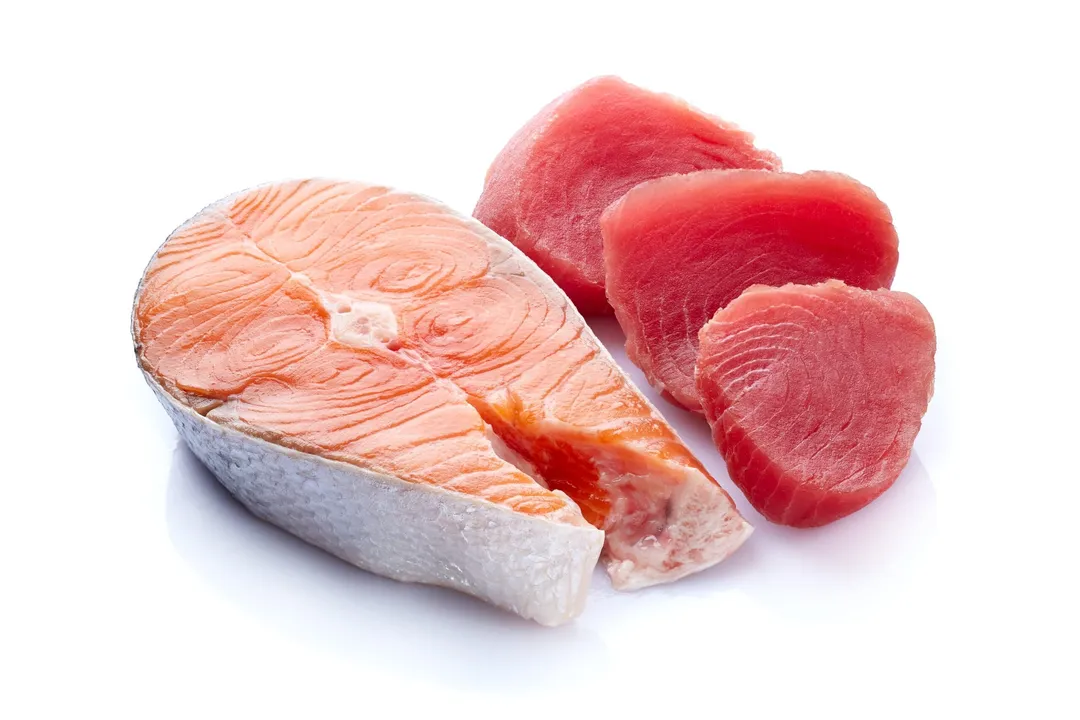
The chief reason oily fish garners such positive attention is the presence of eicosapentaenoic acid (EPA) and docosahexaenoic acid (DHA). [7] These are biologically active forms of omega-3s that the human body cannot easily produce on its own, meaning they must be obtained through diet. [7] While plant sources like flaxseeds or walnuts contain alpha-linolenic acid (ALA), which the body can convert to EPA and DHA, this conversion process is notoriously inefficient in humans. [5] Therefore, direct consumption of fatty fish is the most reliable route to achieving optimal levels of these critical fats. [5][9] DHA, in particular, is a major structural component of the brain and the retina of the eye. [9]
# Heart Benefits

The impact of EPA and DHA on cardiovascular health is well-documented and forms the cornerstone of most dietary recommendations promoting fish consumption. [3][5] Regular intake of these fats has been linked to several protective mechanisms within the circulatory system. [3] They are known to help lower high levels of triglycerides, which are a type of fat in the blood that can increase the risk of heart problems. [3][7] Furthermore, omega-3s contribute to keeping blood pressure at a healthier range and can decrease the likelihood of abnormal heart rhythms and blood clotting. [3][5] Major health bodies, like the British Heart Foundation, often suggest aiming for at least one portion of oily fish per week specifically for these heart-protective qualities. [5]

# Mental Clarity

Beyond the physical workings of the heart, the benefits extend into cognitive and sensory health. [9] Since DHA is a key building block for brain tissue, adequate intake supports normal brain development, particularly in infants, and may play a role in maintaining brain function later in life. [9] Some studies even suggest that regular consumption might help manage mood disorders, although more research is ongoing in this area. [9] For vision, DHA is vital for the structure of the retina, making the consumption of these fats important for long-term eye health. [9]
# Fish Examples

Not all fish are classified as "oily," and variety is key, both for nutrient diversity and managing potential contaminant exposure. [1] The fattier varieties are excellent sources of these omega-3s. [1] Common examples that pack a significant nutritional punch include salmon, mackerel, herring, sardines, and trout. [1][5]
| Fish Type | Typical Serving Size (approx.) | Key Characteristic |
|---|---|---|
| Salmon | 100g | High in EPA/DHA; widely available [1] |
| Mackerel | 100g | One of the richest sources [1] |
| Sardines | Small can | Often lower in mercury due to small size [6] |
| Herring | 100g | Excellent, generally sustainable option [1] |
| Trout (Farmed) | 100g | Good source, often lower cost than wild salmon |
If you are looking to maximize your nutritional intake while minimizing environmental concerns, focusing on the smaller, shorter-lived species might be a good strategy. Because contaminants like mercury tend to accumulate up the food chain, fish like sardines and anchovies are often lower on the toxicity scale than very large, long-lived predators. [6] This means someone could potentially consume sardines more frequently than, say, swordfish, while receiving a substantial omega-3 dose.

# Intake Rules
Health guidelines generally suggest a target of eating two portions of fish per week, with at least one of those portions being oily fish. [1][5] A standard adult portion size is often equated to about 140 grams cooked weight. [1] For pregnant or breastfeeding women, there are specific recommendations because while omega-3s are crucial for fetal development, certain fish must be limited due to mercury content. [1] It is advisable for these groups to stick to low-mercury options like salmon or sardines and consume no more than two portions per week. [1] For everyone else, the consensus leans toward enjoying these fats frequently, barring any specific health contraindications.
# Contaminant Risk
A common hesitation when discussing eating fish regularly involves the risk of contaminants, most notably mercury. [1] Mercury can accumulate in fish, especially in species that are high on the food chain and live for many years. [1] While this is a valid concern, major health organizations generally maintain that for the vast majority of the population, the proven benefits derived from the omega-3 fatty acids in oily fish far outweigh the potential risks associated with low levels of mercury exposure. [1] The key differentiator rests on which oily fish you choose. Choosing the smaller varieties, as noted above, allows for frequent, safe consumption. [6]

# Preparation Methods
How you prepare the fish can significantly influence its final nutritional value. The goal is to cook the fish in a way that retains its healthy fats and avoids adding unhealthy ones. Methods such as baking, grilling, poaching, or steaming are excellent choices because they require little to no added fat. [2] Deep-frying, conversely, adds unnecessary calories and can introduce less desirable fats into the meal, effectively counteracting some of the inherent health benefits.
When preparing oily fish at home, it’s worth noting that while the Omega-3s are quite stable, certain micronutrients and vitamins found alongside them can be sensitive to aggressive cooking methods. For instance, cooking fish too long or at extremely high dry heat can lead to some loss of certain vitamins, even if the EPA and DHA remain largely intact. [2] Therefore, aiming for moist, gentle cooking ensures you capture the full spectrum of what that fish offers, not just the headline fats.
# Value Comparison
While oily fish are celebrated for their unique omega-3 profile, it is important to view them within the context of a broader, balanced diet that includes lean fish as well. [7] Lean fish, such as cod or haddock, are lower in fat but are still excellent sources of high-quality protein, B vitamins, and minerals like iodine and selenium. [7] A practical eating plan does not require eliminating lean fish; rather, it benefits from supplementing lean fish days with the fatty varieties for that essential omega-3 boost. If you only eat white fish, you miss out on EPA/DHA; if you only eat oily fish, you might miss out on the mineral diversity provided by lean options. A rhythm that incorporates both ensures a wide spectrum of nutrients is consistently met.
#Videos
The truth about oily fish, according to science | Dr. Sarah Berry
Related Questions
#Citations
What are the benefits of oily fish? - BBC Good Food
Oily fish: Types, benefits, how much we should eat
Omega-3 in fish: How eating fish helps your heart - Mayo Clinic
Hooked on Health: Benefits of Including Fatty Fish in Your Diet
Salmon? Tuna? What counts as oily fish? Get the list - BHF
You should eat more little, oily fish | Oceana
Fish and Omega-3 Fatty Acids | American Heart Association
Fatty fish provide key omega-3 fatty acids to diet | UCLA Health
The truth about oily fish, according to science | Dr. Sarah Berry