What fish can you eat on a carnivore diet?

Adhering to the foundational principles of the carnivore diet, which centers exclusively on animal products for sustenance, fish frequently secures a place on the approved menu for many adherents. [3][6] While beef, pork, and poultry often form the bedrock of this eating style, seafood offers a valuable alternative source of protein and essential fatty acids, broadening the nutritional landscape available to those strictly limiting their food intake. [1][7] The acceptance of fish stems directly from its derivation: it is animal flesh, fitting the core criterion of the diet. [6]
# Diet Core
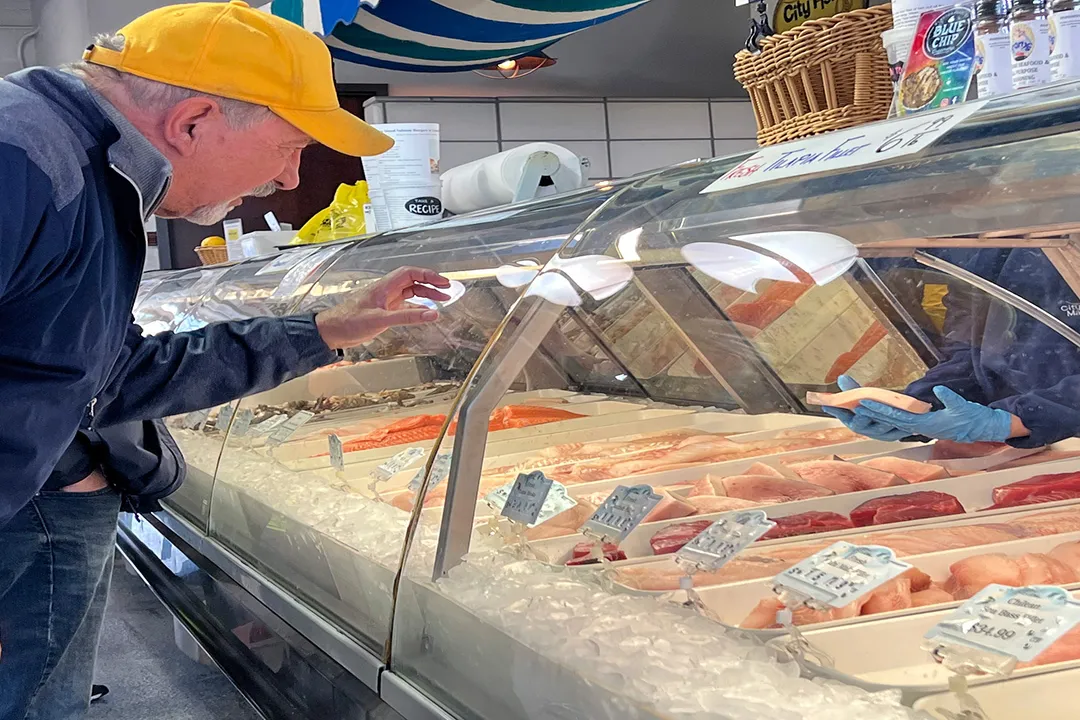
The carnivore diet, at its essence, removes all plant-based foods, focusing solely on meat, fish, eggs, and sometimes dairy, depending on the practitioner’s level of strictness. [3][7] This means excluding vegetables, fruits, grains, nuts, seeds, and legumes entirely. [7] When considering fish, the primary litmus test is straightforward: is it an animal product? If the answer is yes, it is generally permissible, provided no forbidden additives—like vegetable oils, sugars, or grain-based coatings—are introduced during preparation. [1]
# Fatty Fish Value
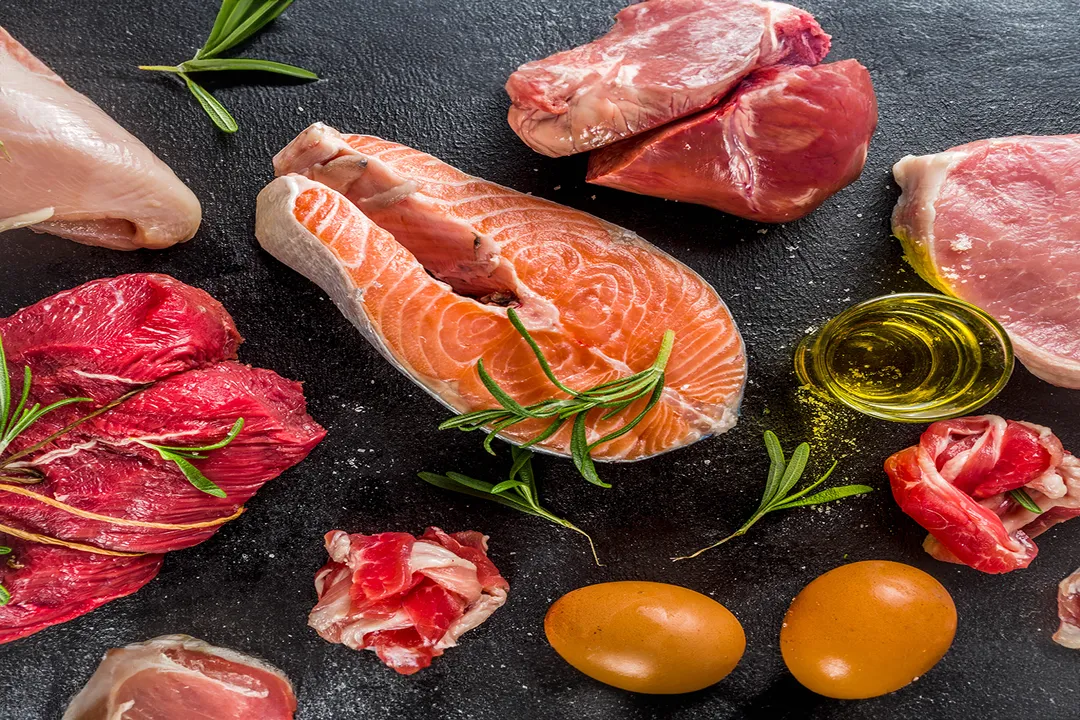
Certain types of fish are highly regarded in the carnivore community due to their nutrient density, particularly their high content of omega-3 fatty acids, such as EPA and DHA. [1] Fatty fish like salmon and mackerel often stand out as prime choices. [1] These healthy fats are frequently sought after on this diet, as they can be harder to obtain in abundance from ruminant meat alone, although grass-fed beef does contain beneficial levels. [5]
For instance, while a serving of ribeye steak provides excellent fat and essential nutrients, salmon offers a distinct profile of long-chain omega-3s that many find beneficial for general health markers. [1] If someone were tracking their intake purely by weight, and aiming for a specific fat-to-protein ratio common in nose-to-tail approaches, substituting a portion of their daily meat intake with fatty fish like salmon or sardines can offer a convenient way to increase that desirable fat intake while introducing different micronutrients found in marine life. [2] Sardines, being small and often eaten whole (bones included when canned properly), also contribute dietary calcium, a mineral sometimes considered low when strictly avoiding dairy. [2]

# Lean Fish Options
Not all acceptable fish are high in fat; leaner options are equally valid for protein consumption. [1] Fish such as cod and tilapia are frequently mentioned by those following the diet as good staples for variety. [1][4] These lean white fish are excellent choices when the goal is maximizing protein intake without significantly increasing the overall fat consumption for that particular meal. [1]
One aspect to consider when rotating through different fish types is mercury content, though this detail is often less emphasized in shorter-term, strict elimination diets than in long-term nutritional planning. [4] Generally, smaller, shorter-lived fish accumulate less mercury. For someone integrating seafood regularly—perhaps several times a week—prioritizing smaller ocean fish or freshwater varieties over very large predatory species might be a sensible, self-imposed quality check, even if the core diet focuses only on the exclusion of non-animal products. [4]
# Shellfish Inclusion
The discussion around fish naturally extends to other marine life, particularly shellfish, which is widely accepted within the carnivore framework. [1][5] This category includes shrimp and lobster. [1] Shellfish provide a different set of minerals compared to finfish or land animals, offering things like zinc and copper in notable amounts. [5]
For an individual needing to introduce variety due to flavor fatigue, switching from beef to shrimp or crab can provide a mental reset while still adhering perfectly to the animal-only rule. It is important, however, for the beginner to ensure that any shellfish purchased is prepared simply—boiled or pan-fried in animal fat (like tallow or butter)—rather than coated in breadcrumbs or deep-fried in seed oils, which would violate the diet's restrictions. [1]
# Sourcing Concerns
When moving away from standard cuts of beef or lamb, the topic of sourcing becomes even more relevant, especially concerning potential contaminants or processing methods. [5] While the basic carnivore principle accepts the fish itself, how that fish was raised or caught dictates its suitability for those prioritizing clean eating. [5]
For example, wild-caught salmon is often preferred over farmed salmon by many due to concerns over antibiotics or the feed composition in aquaculture settings. [1] Similarly, understanding the environment where freshwater fish like catfish or tilapia were raised is key if one is concerned about water quality or environmental pollutants. [4] A good starting point for any seafood consumer on this diet is to seek out reputable suppliers or butchers who can speak to the origin of their catches, ensuring minimal processing beyond gutting and freezing or filleting. [5] This vetting process aligns with the general carnivore ethos of consuming whole, minimally altered animal foods. [5]
# Product Pitfalls
One area requiring vigilance when adding fish to a carnivore rotation is convenience foods, particularly canned or processed fish. [1] While sardines or tuna packed in water might seem acceptable, many products include vegetable broth, soy protein, or are preserved in oils that are strictly excluded from the diet, such as soybean or canola oil. [1]
If someone purchases canned tuna, for example, they must meticulously check the ingredient label to ensure it lists only tuna and perhaps salt, with no added vegetable oils or broth containing plant matter. [1] If the ingredient list is long or contains words like "vegetable oil," that can is unsuitable for a strict carnivore approach. [1] This vigilance prevents accidentally consuming hidden carbohydrates or inflammatory oils that derail the dietary goals. [1] For instance, many processed fish sticks or pre-seasoned fillets contain wheat flour or sugar in their coatings, making them an immediate "no" even if the fish inside is otherwise fine. [4]
Related Questions
#Citations
Can You Eat Fish on a Carnivore Diet? Yes, Find Out Why!
What kind of fish do you eat ? : r/carnivore
Carnivore Diet: Meal Plan and Food List
Carnivore diet seafood recommendations?
What Meats Are Best For The Carnivore Diet
What Can You Eat on the Carnivore Diet?
Carnivore Diet: Food List, Benefits, Risks, and More