Is grouper a healthy fish to eat?

Grouper holds a special place on many dinner plates. Its firm, flaky white flesh offers a subtle sweetness and a texture that manages to remain moist even if you accidentally leave it on the heat for a moment too long. [4] This makes it a culinary favorite for many seafood lovers, often prompting the question of whether this highly regarded catch is also a healthy addition to a regular diet. The answer, like many questions surrounding seafood, is not a simple yes or no; it requires looking closely at what it offers nutritionally versus the environmental and contaminant risks it might carry. [1][3]
# Core Nutrients
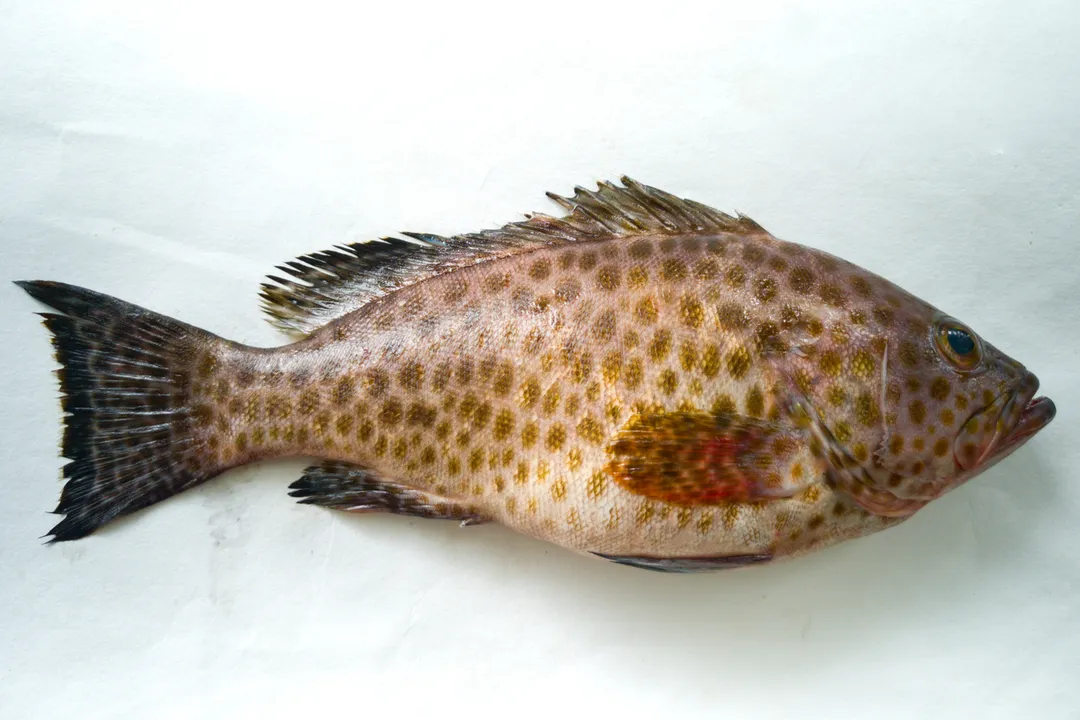
Fish, generally speaking, is celebrated as a lean source of high-quality protein. [4] Grouper appears to fit this profile well. A typical 3-ounce serving has been documented as containing about 16.5 grams of protein while remaining quite low in fat, clocking in at approximately 0.9 grams, alongside a modest 78 calories. [4] Beyond the macronutrients, fish delivers essential micronutrients. While other fish are lauded for high omega-3 content, grouper still provides valuable minerals. [1][4] One serving is noted to potentially supply around 25 percent of the daily requirement for Vitamin D, 20 percent of magnesium, and 15 percent of iron needs, along with smaller amounts from the B complex group. [1] This profile suggests that in terms of basic building blocks—protein, vitamins, and minerals—grouper offers a solid contribution to a balanced intake. [4]
# Predation Risk
The concern that dampens the health score for grouper stems largely from its position in the marine food web. Grouper are characterized as predatory fish. [1] This means they occupy a higher trophic level than smaller forage fish, a position that makes them prone to biomagnification. [1] As they consume smaller fish over their lifespan, any contaminants those smaller fish carry become concentrated in the grouper’s tissues. [1] The primary contaminant of concern, mentioned across several advisories, is mercury. [3][4][5]
One assessment places the mean mercury concentration in grouper species at around 0.4 parts per million (ppm). [1] This concentration is considered relatively high when compared to fish lower on the food chain, such as halibut. [1] Because they are long-lived, groupers have more time to accumulate these xenobiotic compounds. [1] The presence of these higher toxin levels leads some organizations, like the Environmental Defense Fund (EDF), to issue specific consumption advisories for grouper due to mercury content. [3][4]

# Toxin Exposure
Beyond mercury, grouper carries another specific health warning: the risk of ciguatera poisoning. [5] Ciguatera Fish Poisoning (CFP) is a foodborne illness resulting from toxins accumulated by reef fish that prey on smaller organisms carrying the toxic compound. [5] Symptoms can range from gastrointestinal distress like nausea and vomiting to more serious neurological effects, including the strange sensation where hot things feel cold and vice versa. [5] Since there is no established cure for ciguatera poisoning, prevention, which includes limiting intake of known carrier species like grouper, becomes the primary defense. [5]
The longevity aspect exacerbates both mercury and potential ciguatera risks. If a grouper lives for several decades—some sources suggest up to 40 years—it has a greater opportunity to accumulate contaminants from its environment and diet over time. [3][5]
# Official Guidance Split
When reviewing official advice, a nuanced picture emerges. For the general public, eating fish is encouraged at least twice weekly as part of a healthy pattern that supports heart and brain health. [2][3] However, for vulnerable populations—those who are pregnant, breastfeeding, or feeding young children—the FDA and EPA provide specific guidelines based on mercury levels. [2]
In the official FDA/EPA guidance chart, grouper is categorized as a Good Choice. [2] For pregnant or breastfeeding individuals, this means they could aim for one serving per week from the "Good Choices" list, or two servings from the "Best Choices" list. [2] This official guidance, based on balancing nutrient intake against risk, seems less restrictive than warnings from environmental groups like the EDF, which have specifically called out grouper for its high mercury due to its predatory nature. [3][4] This discrepancy highlights that while federal health agencies may place grouper in a moderate consumption category, its status as a top-level predator warrants extra caution for those most susceptible to neurotoxins. [1]

# Ecosystem Pressure
The health discussion extends beyond personal consumption to environmental health, which ultimately impacts future food safety. Grouper populations face significant pressure from heavy fishing, with many species being considered threatened or endangered due to overfishing. [5] Furthermore, the methods often used to catch them, such as bottom trawling or longlines, cause collateral damage to delicate marine habitats like coral reefs and result in substantial bycatch—unintended marine life that is often discarded, injured, or killed. [5][3] Choosing to limit grouper helps reduce the demand driving these potentially destructive fishing practices. [5]
If you are looking to maximize the nutritional benefits of seafood while minimizing contaminant risks, it’s helpful to look toward smaller, shorter-lived fish lower on the food chain, such as sardines or herring, which are rich in omega-3s and low in mercury. [3]
# Size Matters
Given that the core health concern for grouper is biomagnification driven by its predatory lifestyle and long life, a clear actionable step emerges regarding the specimen you choose. While official lists may categorize the species broadly, the contaminant load will vary significantly based on the individual fish’s age and size. [1] You should prioritize purchasing or consuming the smallest groupers you can find. [1] A younger, smaller fish has simply had less time to accumulate toxins like mercury compared to a very large, old specimen. [1] If you are catching fish yourself, this knowledge is vital; if you are purchasing it, asking your vendor about the approximate size or age of the catch can provide you with crucial risk assessment information that a general menu description cannot. [1]

# Determining Your Frequency
The general recommendation for fish consumption is two servings weekly for general health benefits like improved cardiovascular function. [3] However, when consuming a species like grouper, which sits in that tricky middle ground—nutritious but with a noted mercury concern—you need a personalized moderation strategy. For the average healthy adult, treating grouper as an occasional indulgence, perhaps once or twice a month, rather than a weekly staple, seems the most prudent approach based on the existing advisories. [3][4] For women of childbearing age and children, adhering strictly to the FDA’s "Good Choice" recommendation of one serving per week, or perhaps opting for "Best Choices" exclusively, is the wisest path to safeguard developing neurological systems from potential heavy metal exposure. [2][1] It allows you to enjoy the firm texture and protein content without consistently loading your system with higher levels of environmental contaminants common to predatory species. [5]
Related Questions
#Citations
6 Healthy Fish to Eat and 6 to Avoid | One Medical
You Should Never Eat Grouper. Here's Why - Mashed
Advice about Eating Fish - FDA
How healthy is grouper fish? - Quora
7 Reasons Why You Shouldn't Eat Grouper Often