Is squirrel meat healthy to eat?
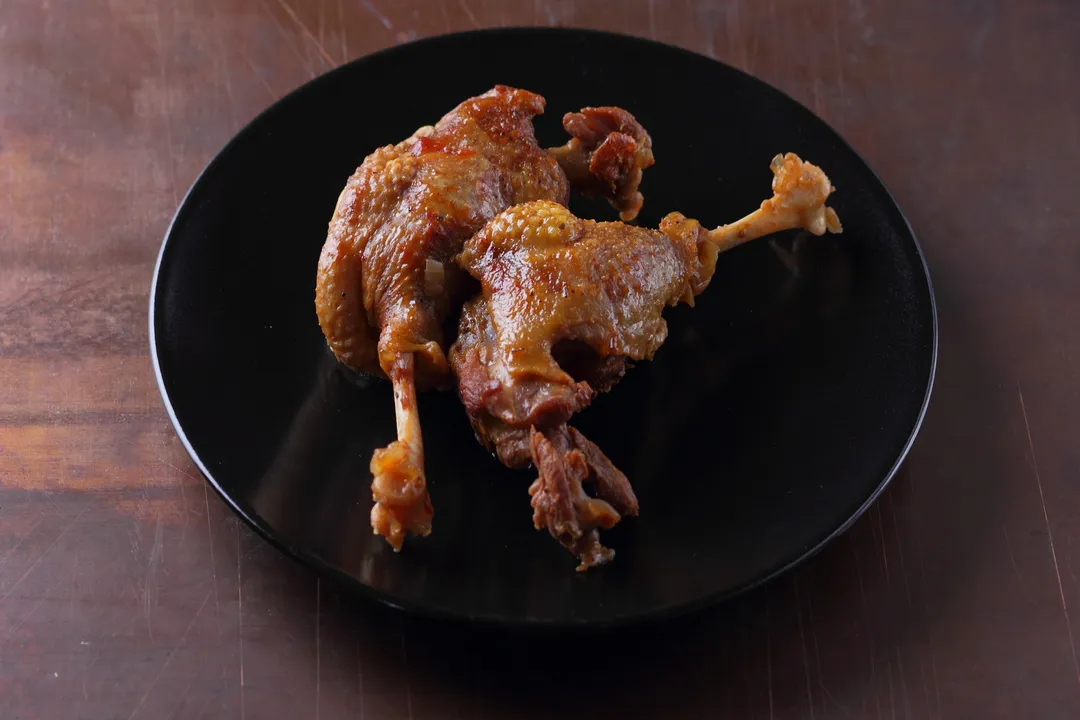
The idea of incorporating squirrel meat into a regular diet might raise an eyebrow in many modern households, yet for millions, this small game animal represents a readily available, nutritious, and highly ethical protein source. While urban dwellers might associate squirrels only with backyard antics, hunters and culinary enthusiasts recognize a rich heritage and distinct health benefits associated with this wild meat. [6] Moving past initial squeamishness requires looking closely at what the meat actually offers in terms of nutrition, flavor, and safe preparation.
# Nutritional Profile
When assessing the health merits of any meat, we look at fat content, caloric density, and essential micronutrients. By these measures, squirrel meat presents a compelling case as a lean alternative to many commercially farmed options. It is consistently described as a lean cut. [5][6] Specific data suggests that squirrel meat contains approximately 4 grams of fat per 100 grams of meat, keeping it low on the fat scale. [6] Calorie-wise, it registers around 150 calories per 100 grams, which positions it favorably for those managing their weight or looking for lower-calorie protein. [6]
Beyond just being lean, squirrel is packed with beneficial components. It is repeatedly noted as being high in protein. [5][6] Furthermore, it delivers essential vitamins and minerals, including significant amounts of iron, niacin, and Vitamin B6. [6] In regions where it is commonly consumed, this makes it a vital source of sustenance, often being described as an excellent source of naturally occurring nutrients obtained through a wild diet. [5] While direct nutritional comparisons were unavailable across all sources, its profile aligns with other lean game meats, suggesting good density for essential nutrients. [6]
# Flavor and Texture
One of the most frequently debated aspects of eating squirrel is the taste. Contrary to what some might assume about wild-caught game, many sources report that squirrel meat is surprisingly mild and pleasant. [3][6] Its flavor profile is often compared to that of other small, wild mammals. The closest comparison frequently cited is rabbit, though sometimes it is described as a cross between rabbit and chicken. [7][6]
The texture can vary slightly depending on the interpretation; one expert noted it has a fine grain and light color, while another suggested it is similar to the naturally drier texture of rabbit, which itself can be gamier than chicken. [6][7] Intriguingly, some individuals categorize it as a white meat, akin to wild chicken. A key element influencing its unique profile is the animal's diet, which largely consists of nuts, such as acorns, imparting a gentle hint of nuttiness to the final product. [6][7] The meat is also described as inherently sweet. [5][6] This delicate flavor allows it to adapt well to various cooking methods, readily taking on the tastes of accompanying herbs, spices, or sauces, making it highly versatile in the kitchen. [6]
# Culinary Differences
A helpful approach when considering how to prepare squirrel is to segment the animal much like one would a chicken or rabbit, setting aside the internal organs for those with more adventurous palates. [3][7] The structure of the animal offers distinct cuts with different cooking needs. The shoulders and hind legs are hardworking muscles, meaning they benefit significantly from low-temperature, moist cooking methods such as braising, poaching, or using a slow cooker until the meat becomes fork-tender. [3][6] Frying these cuts is certainly possible, but often benefits from a preliminary tenderizing step. [3]
The saddle, which contains the tenderloins, is the less-worked muscle group and is naturally more tender, similar to the loins of a deer compared to its shoulders. [3] This makes the saddle suitable for faster cooking methods like searing in a pan or grilling, though basting or wrapping in bacon is wise to maintain moisture in this lean cut. [3][6] For those new to game meat, understanding this variation is crucial. If you try to flash-fry a leg straight from the wild, the result will likely be tough. In contrast, if you boil the tender saddle meat for too long, you risk drying it out. [3] Considering that age class varies widely among harvested animals—unlike consistent grocery store stock—using a two-step process of slow tenderizing followed by a quick finish (like smoking or frying) appears to be a favored technique among experienced cooks. [3][6]
# Preparation Safety
While the flavor and sustainability arguments are strong, consuming any wild game requires diligence regarding food safety. Like all wild mammals, a primary concern is ensuring the animal was not rabid, as this disease can be transmitted to humans. [7] Proper handling and cooking are non-negotiable steps to mitigate risks associated with wild harvesting. [3] The USDA recommendation for cooking raw poultry, an internal temperature of 165 degrees F verified with a meat thermometer, is the accepted best practice for ensuring squirrel meat is safe from pathogens. [3]
However, the most critical safety warning concerns a specific part of the animal: the brain. Several sources strongly advise against consuming squirrel brains, even where it is considered a delicacy in some rural traditions. [5] Eating squirrel brains has been linked in reports to cases of Creutzfeldt-Jakob disease, a rare, degenerative, and fatal brain disorder often associated with mad cow disease in cattle. [5] Because the symptoms involve loss of memory, vision, coordination, and eventually lead to death within a year of contraction, this particular risk outweighs any perceived culinary benefit. [5] Beyond the brain, it is wise to avoid eating internal organs such as the lungs or anything from the digestive tract unless you are an expert familiar with game offal. [3]
Another essential safety consideration relates to the sourcing environment. Squirrels harvested in urban or suburban settings, such as city parks or backyards, carry significant risks beyond natural parasites or disease. [5] These animals may have been intentionally poisoned or exposed to chemical residues from herbicides or pest control products used on lawns and gardens. [5] Moreover, one source suggests that squirrels harvested during the summer months should be avoided due to the increased presence of mites and other external parasites during warmer weather. [5] For optimal safety and flavor, sourcing squirrels from known, clean, rural habitats during appropriate hunting seasons is highly recommended. [3][5]

# Accessibility and Acceptance
Even with its positive attributes—being lean, healthy, organic, and free-range —squirrel meat has not achieved mainstream culinary acceptance, particularly in places like the UK, where farmed chicken has dominated post-WWII diets. [6] In the United States, a significant number of people still enjoy it, especially in the South, where dishes like Brunswick stew have historical roots. [6]
The current gap between the recognized merits and actual demand suggests that the barrier is not inherently the meat itself, but rather cultural conditioning and access. One perspective noted that consumption habits can sometimes be linked to perceptions of rural poverty, which may create a social stigma for some individuals. For the non-hunter, the main hurdle is simply acquiring the meat legally and consistently, as it is not widely available in typical retail settings. If trappers and hunters could sell their harvests more easily under streamlined regulations, greater visibility in restaurants and markets might increase, allowing more people to appreciate this traditional food source.
The sheer abundance and sustainable nature of the grey squirrel population—an invasive species in some areas—presents an ecological argument for consumption; eating them actively assists in managing the local wildlife balance. [6] This combination of ready availability in the wild, low environmental input, and high nutritional return means that the conversation around eating squirrel is less about if it is healthy, and more about why it hasn't become a common household staple alongside chicken or rabbit. If consumers are looking for a low-mileage, high-protein food, choosing a properly sourced squirrel is one way to align dining choices with environmental consciousness. A simple metric to keep in mind when planning a meal is that, on average, one to two squirrels will provide a standard dinner-sized portion, depending on their size. [3]
Related Questions
#Citations
Squirrel meat is tasty, healthy, free range, organic and ...
Is it Safe to Eat Wild Squirrel Meat?
Savory Texas Squirrel Meat Can Be a Recipe For Disaster
Squirrel: why everyone should try it
Is It Safe To Eat Squirrel Meat (And What Does It Taste Like)?
What does squirrel meat taste like?
In The Field — Eating Squirrels