Is halibut a good fish to eat for weight loss?
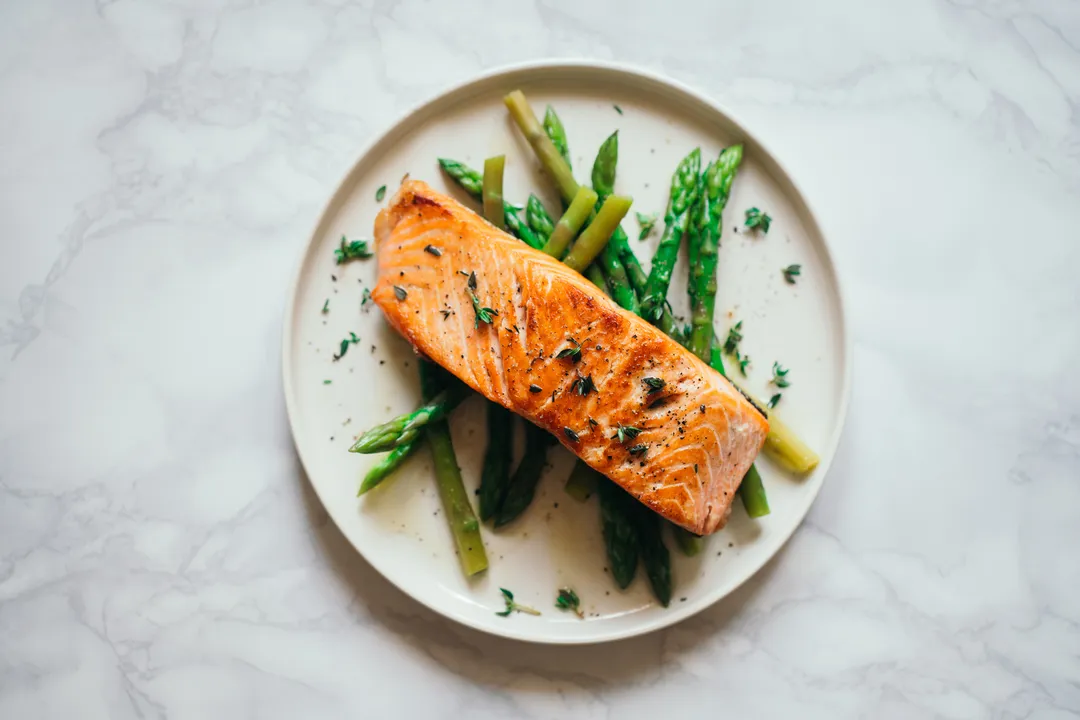
Halibut earns a place in many healthy eating plans due to its excellent nutritional composition, making it a strong contender when the goal is weight management. It offers a substantial amount of filling protein without contributing a high number of calories, a combination that is key to controlling daily intake while maintaining energy and muscle mass. [1][2][7] When looking at fish options for shedding pounds, the focus often shifts to maximizing nutrient density while minimizing unnecessary fats and calories, and halibut fits this profile remarkably well. [3][6][8]
# Lean Macros
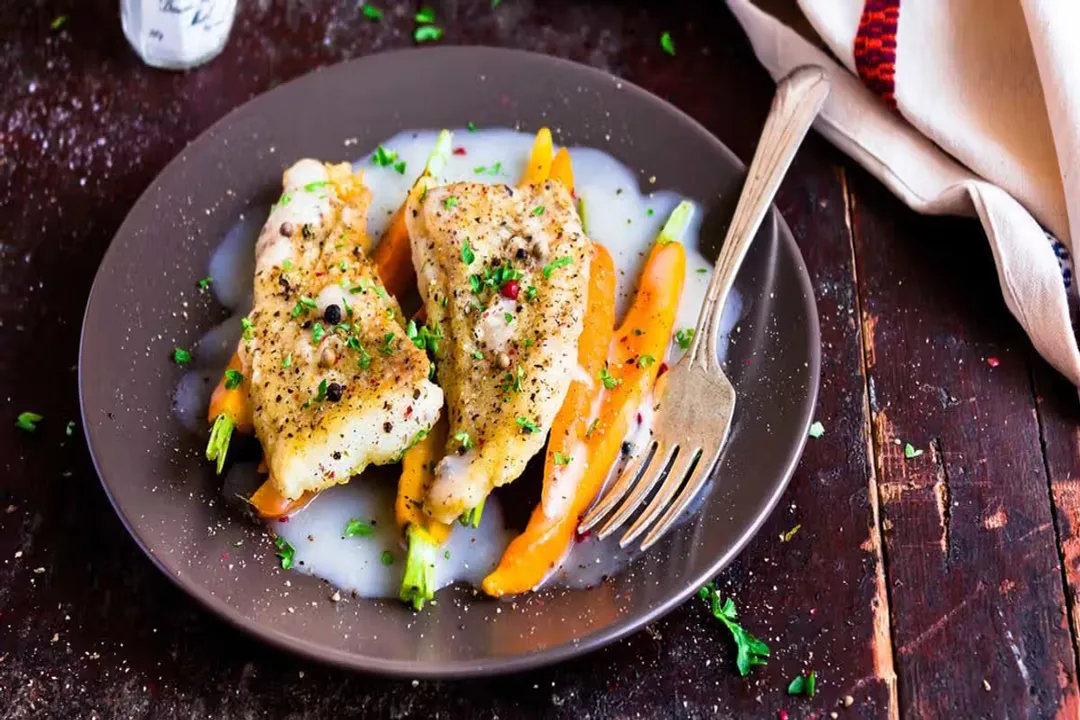
The primary advantage halibut holds for someone tracking calories is its lean nature. It is recognized as a good source of lean protein, which is vital for preserving muscle during a calorie deficit, as muscle tissue is more metabolically active than fat tissue. [2][7] Protein also has a high satiety factor; eating meals rich in quality protein can help you feel fuller for longer, potentially reducing the urge to snack between meals. [2] Nutritionally, halibut is categorized alongside other low-fat choices like cod or haddock when discussing weight loss diets. [2][3][8] The flesh itself is relatively low in fat overall, which keeps the energy density—the number of calories per gram—low compared to fattier fish like mackerel or even common Atlantic salmon. [4][6]
# Mineral Density
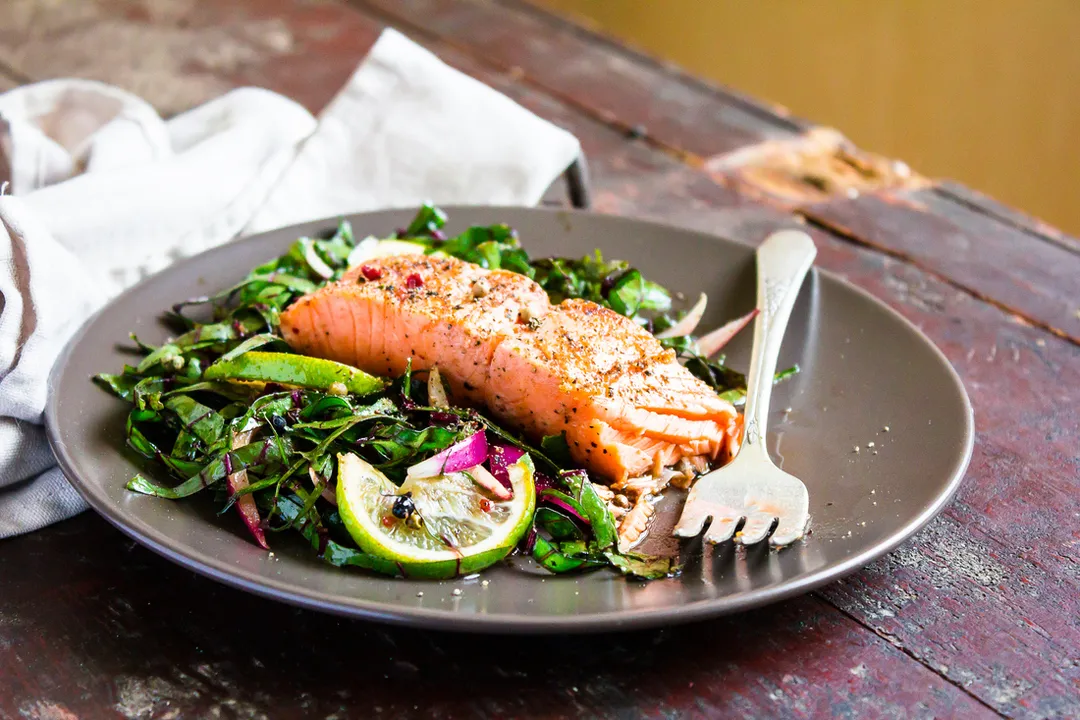
Beyond the macronutrient breakdown, the vitamin and mineral profile of halibut supports overall bodily functions that are often taxed during dieting. Halibut provides significant amounts of several B vitamins, including niacin, B6, and B12. [1][5][9] These B vitamins are essential partners in energy metabolism, helping the body convert the food you eat into usable energy rather than storing it. [1] Furthermore, halibut is rich in phosphorus and magnesium, which contribute to bone health and proper muscle function, important considerations when increasing physical activity as part of a weight loss regimen. [1][5][6]
One trace element worth noting is selenium, which halibut supplies in abundance. [1][5][6] Selenium is an important antioxidant, but it also plays a part in thyroid hormone metabolism. Since the thyroid gland regulates resting metabolic rate, ensuring adequate intake of supporting nutrients like selenium can help support the body’s natural calorie-burning engine, especially when dietary intake is restricted. [5]
# Omega-3 Context
Many health discussions about fish immediately turn to Omega-3 fatty acids, and halibut certainly contains them. [4][6] However, halibut is often classified as a lean white fish, meaning its Omega-3 content is lower than that found in highly fatty fish like sardines or salmon. [9] For someone focused strictly on minimizing every gram of fat while still meeting general health guidelines, halibut provides a balanced option. You get the benefits of some heart-healthy fats without the higher caloric load associated with consuming a large portion of high-fat fish daily. [4] If your primary concern is hitting a very low-fat macro goal for a period, halibut allows you to enjoy fish while keeping the fat intake minimal, provided you focus on low-fat preparation methods. [2][6]
# Preparation’s Role
The inherent low-calorie structure of halibut can be quickly undone by how it is cooked, a point critical for anyone focused on weight loss. A lean 4-ounce serving of baked halibut might hover around 110 to 130 calories. [1] Contrast this with the same portion breaded and deep-fried, where the oil absorption can easily double or triple that caloric count. When planning meals for weight loss, always default to cooking methods that add minimal external fat: grilling, steaming, baking, or poaching are excellent choices for halibut because its firm texture holds up well without needing excessive oils or batters to remain palatable. [1][6]
This dependence on preparation highlights an important nuance often overlooked when fish is simply labeled "good for weight loss." While the fish itself is nearly ideal, substituting a simple lemon and herb baking method for a restaurant-style preparation that involves butter basting or deep-frying effectively negates the calorie advantage you sought in the first place. Keeping a log of preparation style, not just the protein source, is essential for accurate tracking. [1]

# Comparative Value
When comparing halibut to other popular "healthy" fish choices, its place in a weight loss diet becomes clearer. Fish like tilapia or haddock are often even leaner than halibut, offering slightly fewer calories per ounce, though often with a slightly less robust texture or slightly less diverse mineral profile. [3][8] Conversely, fish like salmon or mackerel are significantly higher in beneficial Omega-3s but also carry substantially more fat and calories per serving. [4][9]
If your weight loss strategy involves eating larger volumes of food for satiety—relying on low-energy-density foods—halibut offers a great middle ground. It is firm enough to feel substantial on the plate, high in protein to curb hunger, and low enough in fat that you can afford to pair it with large servings of non-starchy vegetables without blowing your daily limit. [7] For instance, someone on a 1,500-calorie diet might find that a 6-ounce piece of halibut (roughly 195 calories raw) leaves ample room for two cups of steamed broccoli and a sweet potato, a plate that feels genuinely satisfying. [2]
# Sustainability and Sourcing
While not directly tied to caloric intake, the sourcing of halibut can impact the overall health profile and confidence in the food choice. Halibut, particularly Alaskan varieties, is often cited as a sustainably caught fish, which aligns with a conscious consumer’s approach to health that extends beyond personal metrics. [4][6] Choosing wild-caught Alaskan halibut, for example, is often highlighted as ensuring high quality and responsible harvesting practices, building trust in the food’s origin. [4][6] While contamination concerns are generally low for many white fish, knowing the source is managed responsibly adds another layer of positive value to the food choice. [5]
# Portioning Tips
To effectively integrate halibut into a weight loss diet, thinking about portion sizes is crucial. A standard, recommended protein serving size is often cited as three to four ounces cooked. [7] Given that halibut is firm and flaky, it can sometimes be easier to over-serve than softer fish. To manage this, try portioning the raw fillets before cooking. Aiming for a single, fist-sized portion (approximately 4-5 ounces cooked weight) ensures you receive that significant protein boost and nutrient package without inadvertently adding unnecessary calories from a larger-than-needed serving size. [7] If you are consuming it as part of a large, varied meal, you might even scale back to a 3-ounce serving to make room for more complex carbohydrates or vegetables.
In summary, halibut stands out as an excellent fish for weight loss. It is nutrient-dense, high in satisfying protein, and naturally low in fat and calories. [1][2][9] Its success in a weight loss context hinges on pairing its clean nutritional foundation with similarly clean cooking techniques, ensuring that the final meal remains aligned with your energy deficit goals. [3][8]
Related Questions
#Citations
What Are the Health Benefits of Halibut? - WebMD
What Are the 12 Best Fish to Eat for Weight Loss? - Knownwell
Healthy Fish For Weight Loss | The Leaf Nutrisystem Blog
The Amazing Health Benefits of Alaskan Halibut
The Hidden Health Benefits of Halibut at Earth Restaurant
Is Halibut Healthy? | Wild Alaskan Company
Fish to Eat for Health: Dietitian Advice - UnityPoint Health
Best Fish Choices for Weight Loss - Channel Fish Processing
Halibut Fish: Nutrition, Benefits and Concerns - Healthline
What's a healthier fish to eat? : r/HealthyFood - Reddit