Is squid healthy to eat for weight loss?
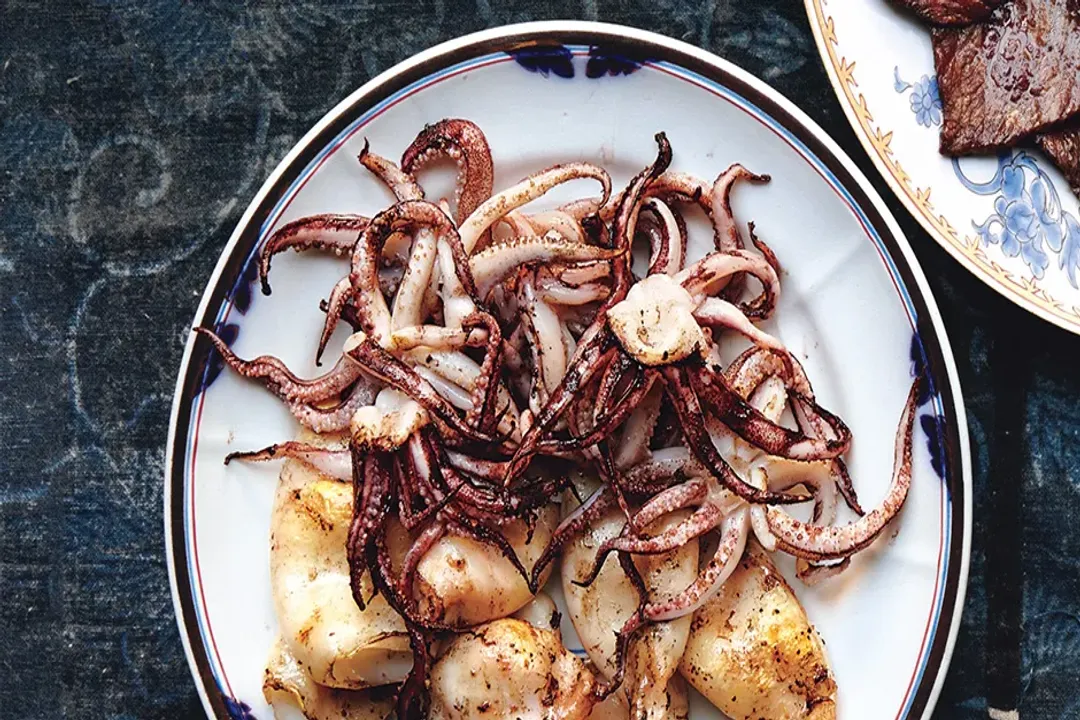
That lean, slightly chewy texture of squid, often served as calamari rings, frequently pops up on the radar for those tracking their macros while aiming to shed pounds. When we look past the deep-fried pub favorite and examine the core nutritional profile of plain squid, it emerges as a surprisingly supportive player in a weight loss plan due to its excellent protein density and relatively low caloric load. [1][8] The real secret to incorporating this seafood successfully isn't just if you eat it, but how you prepare it.
# Protein Punch
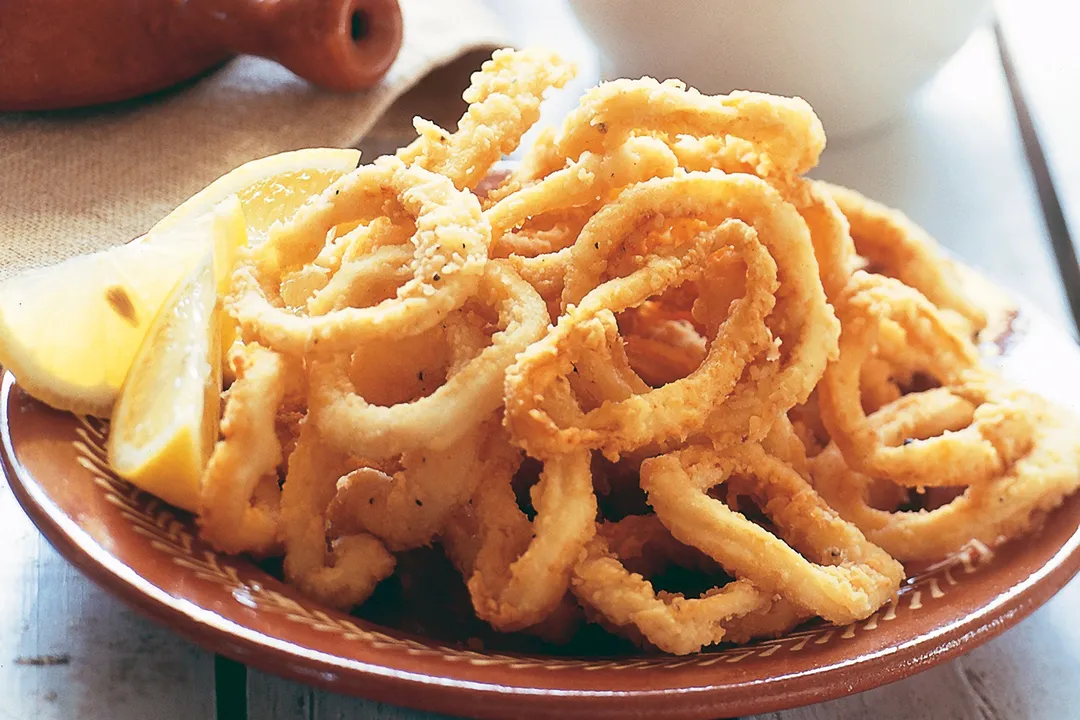
For anyone trying to manage weight, feeling full for longer is half the battle, and this is where squid shines. It is recognized as a high-protein meal option. [8] Protein is essential because it increases satiety, meaning you feel satisfied after eating, which naturally helps curb overeating later in the day. [1] Squid provides this essential macronutrient while keeping the fat content quite low when it isn't breaded and fried. [6] This favorable ratio of high protein to low fat makes it an excellent alternative to fattier cuts of meat when you are aiming for a calorie deficit required for weight reduction. [1]
# Calorie Count
The foundation of any successful weight loss diet rests on maintaining an appropriate calorie deficit, and squid starts off with a very lean baseline. For context, it’s possible for a substantial serving, like half a kilogram, to contain as few as 175 calories if prepared simply, suggesting an extremely low energy density in its natural state. [7] Even when looking at more standard serving sizes, squid remains a low-calorie food source. [1] However, this number changes dramatically once preparation methods come into play. If you order calamari at a restaurant, the breading and oil absorption can quickly turn that lean protein into a much higher-calorie indulgence, defeating the purpose of choosing it for weight management. [9]
# Essential Nutrients
Beyond just calories and protein, squid contributes several micronutrients that support overall health, which is important when cutting calories might otherwise lead to nutrient gaps. It is a good source of Vitamin B12, which is vital for nerve function and the creation of red blood cells. [1][4] Furthermore, it packs a good amount of selenium, an important trace mineral that acts as an antioxidant. [4][6] Depending on the source, you can also find significant amounts of phosphorus, iron, zinc, and copper in squid, all playing supportive roles in bodily functions. [2][6] For those concerned about thyroid function, the selenium content is often highlighted as beneficial. [4]
# Heart Balance
When considering seafood for weight loss, people often scrutinize the fat profile. Squid contains beneficial omega-3 fatty acids, which are widely recognized for their anti-inflammatory properties and positive effects on cardiovascular health. [3] However, it's worth noting that squid also contains dietary cholesterol. [3] Historically, dietary cholesterol was a major concern, but current nutritional thinking often emphasizes that for most healthy individuals, the cholesterol found in food has less impact on blood cholesterol levels than saturated and trans fats. [3] Pairing the healthy fats present in squid with the cooking methods mentioned later helps maintain the heart-healthy aspects of this protein source. [3]
# Preparation Pitfalls
The difference between squid being a weight-loss champion or a dietary detour lies almost entirely in the kitchen. [9] If the goal is weight loss, completely sidestepping the traditional preparation is key. Frying, which gives us the classic appetizer, adds significant fat and calories from the batter and absorbed oil. [9] To keep the calorie count down and reap the benefits, think simple: grilling, steaming, boiling, or poaching are the superior techniques. [1] The addition of simple seasonings like lemon juice, herbs, or a light touch of olive oil adds flavor without adding empty calories or significant fat grams. [4]
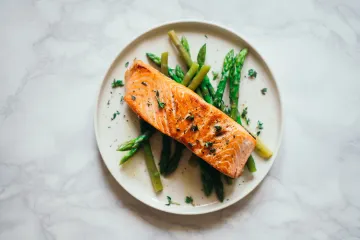
When you are building a weight loss rotation, visualize your plate. A portion of grilled squid (perhaps 4 to 5 ounces) should be paired with high-volume, low-calorie sides. Think a large salad dressed lightly with vinegar, or a substantial serving of roasted non-starchy vegetables like broccoli or asparagus. This strategy fills your stomach with fiber and water-rich foods, enhancing satiety while keeping the meal's total energy density extremely low, making that protein work much harder for your deficit. [1]
# Cooking Tips
To ensure you are maximizing the nutritional return on your squid purchase for weight management, follow a straightforward approach to preparation. First, always drain any excess water thoroughly before cooking, especially if boiling or steaming, to ensure the final product isn't watery. When grilling or pan-searing, use a non-stick pan or a light spray of a calorie-controlled oil like avocado oil instead of pouring oil in. A simple marinade incorporating acid, like vinegar or citrus, mixed with garlic and herbs, tenderizes the squid slightly and delivers huge flavor without adding many calories, effectively masking the need for heavy breading. [4] Remember that squid cooks very quickly; overcooking makes it tough, but undercooking might not be appealing, so sticking close to the 2-3 minute mark per side on high heat is usually sufficient for tender results.
# Cholesterol Context
It is important to address the cholesterol concern, as this is a common question for any shellfish. Squid does contain cholesterol, with a 3-ounce serving potentially offering around 180 to 230 mg of cholesterol. [1] While this is higher than some other protein sources, modern dietary guidelines often suggest that for the majority of people, dietary cholesterol has a minor impact on blood cholesterol levels when compared to the impact of saturated fat intake. [1][3] If you are managing high blood cholesterol, it is wise to discuss your intake with a healthcare provider, but for the average person aiming for weight loss, the benefits of the low-calorie protein might outweigh the cholesterol concern, provided you keep saturated fat from other sources low. [3]
# Nutrient Integration
Think about how squid fits into your weekly nutrition schedule. If your diet already relies heavily on chicken breast or lean ground turkey, swapping one serving for squid introduces a new profile of minerals like iodine and zinc that you might otherwise miss. [2] This nutrient diversity helps prevent diet fatigue and ensures you are not missing out on crucial micronutrients while cutting calories. For instance, incorporating squid alongside other colorful vegetables ensures you are hitting the antioxidant and vitamin targets necessary to keep energy levels steady during a calorie-restricted phase.
Related Questions
#Citations
Squid: Is It Good for You? - WebMD
What are the benefits of eating squid? - Vinmec
Is Squid Healthy? Benefits and Risks You Need to Know - Lose It!
Health Benefits of Squid: Why It's a Superfood | Mortadella Head
Squid provides health benefits and side effects - Facebook
Health Benefits of Eating Squid You Didn't Know About - Quein's
Can half a KG of squid really be 175 calories? Surely this is a type.
Why Squid Deserves a Spot in Your High-Protein Seafood List
Is Fried Squid Healthy? What You Need to Know