What is the healthiest lean fish to eat?
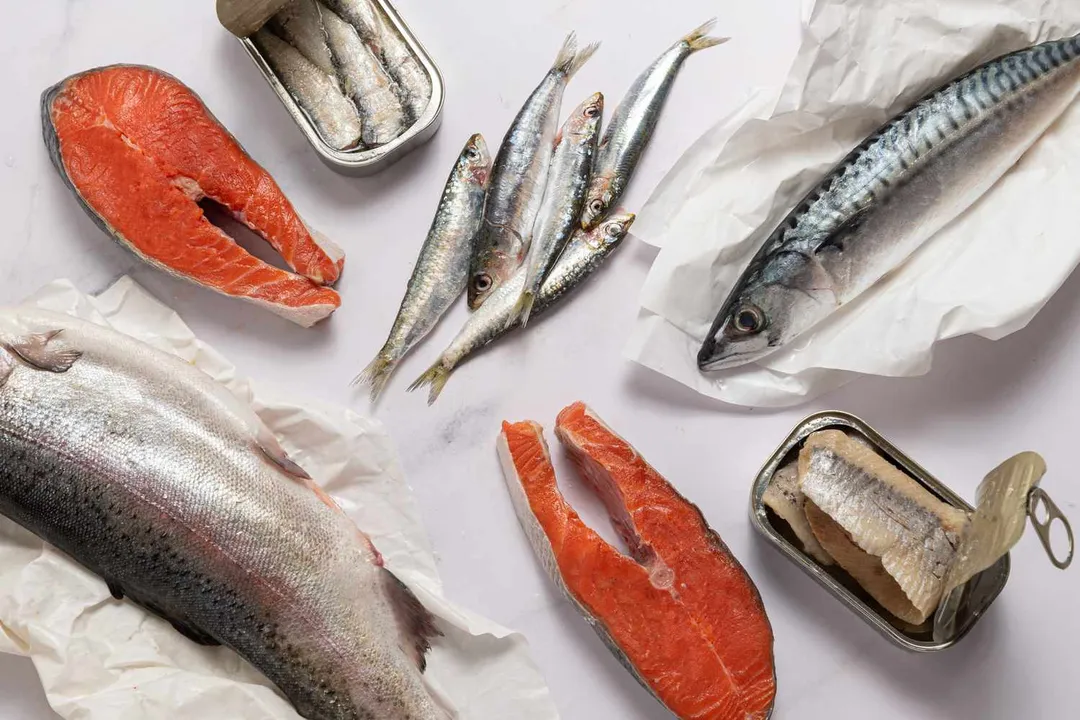
Choosing the healthiest fish to incorporate into your regular diet involves looking closely at two main factors: the type of fat it contains and potential contaminants like mercury. While fatty fish often steal the spotlight for their high levels of beneficial omega-3 fatty acids, lean fish offer an excellent, low-calorie source of high-quality protein and essential nutrients. [9] Understanding where different varieties fall on the nutritional spectrum allows for smarter meal planning. [6]
# Defining Fat Content

Fish are generally categorized as either lean or fatty, a distinction based primarily on their fat content and the resulting nutritional impact. [6] Lean fish, sometimes called white fish, contain less than 5% fat by weight. [6] They are often favored by those focused strictly on calorie management or maximizing protein intake relative to fat intake. [4][6] These fish tend to have milder flavors and flakier textures, making them versatile for many recipes. [5]
Fatty fish, conversely, are rich in unsaturated fats, particularly the long-chain omega-3 fatty acids known as EPA (eicosapentaenoic acid) and DHA (docosahexaenoic acid). [6][7] These essential fats are critical for heart health, brain function, and reducing inflammation. [7][8] Examples of fatty fish include salmon, mackerel, herring, and sardines. [5][8]
# Top Lean Picks
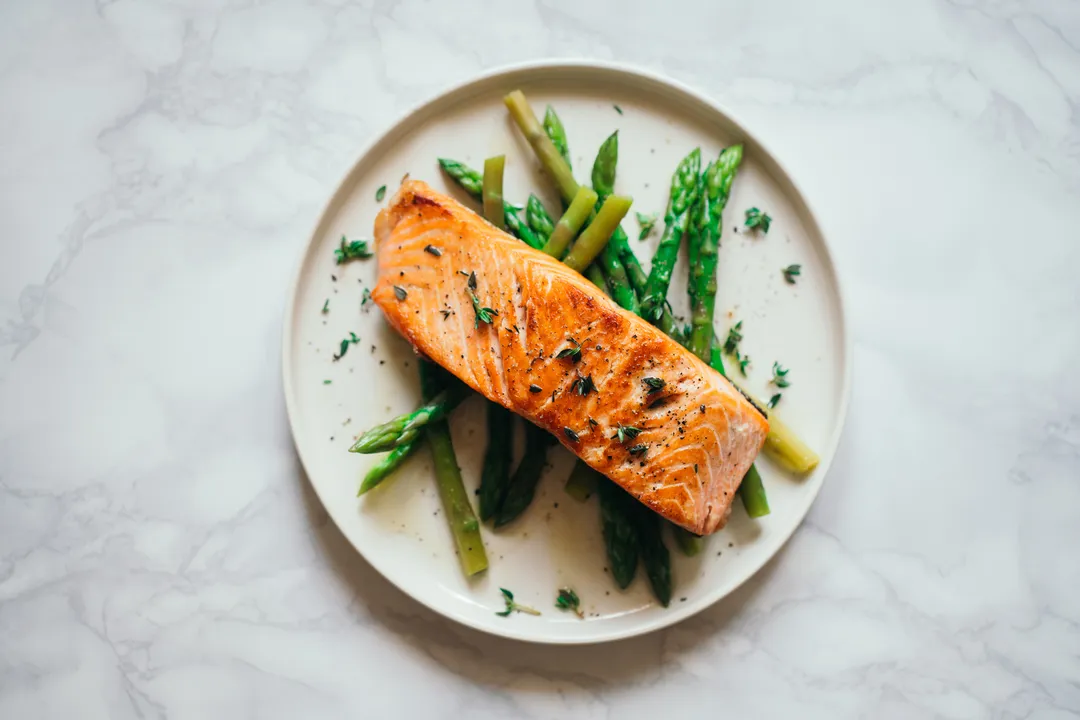
When the goal is specifically a lean option, several types of white fish consistently rank high due to their nutritional density combined with low fat and calorie counts. [4]
Cod frequently appears at the top of healthy fish lists. It is a very lean source of protein, offering nearly all essential amino acids. [9] Cod is also noted for supplying good amounts of Vitamin B12 and phosphorus. [9]
Tilapia is another extremely popular, mild-flavored white fish. [1] While it is very low in fat, it does contain fewer omega-3s compared to fattier varieties, but it provides a solid amount of protein and minerals like selenium. [1][4]
Haddock is comparable to cod and is a favorite for dishes like fish and chips, though healthier preparation methods are advised. [5] It provides good amounts of niacin, vitamin B12, and phosphorus. [9]
Other highly recommended lean choices include Flounder, Sole, Pollock, and Snapper. [1][5][8] Flounder and sole are prized for their delicate texture and low mercury levels, making them suitable options for more frequent consumption, including for sensitive populations. [1]
| Fish Type | General Fat Profile | Key Nutrient Highlight | Consumption Suitability |
|---|---|---|---|
| Cod | Very Lean | High in B12 and Phosphorus | Excellent choice [9] |
| Tilapia | Very Lean | Good Protein Source, Low Calorie | Good year-round option [4] |
| Haddock | Lean | Good source of Niacin | Milder flavor profile |
| Salmon (Fatty Comparison) | Fatty (High Omega-3) | High in EPA/DHA | Excellent for heart health [7] |
# Lean Versus Fatty

The decision between prioritizing leanness or maximizing omega-3 intake requires balancing immediate goals with long-term health benefits. [6] A lean fish, like cod, might deliver 20 grams of protein for around 90 calories and less than 0.5 grams of fat. [9] In contrast, a fatty fish, like salmon, will deliver excellent protein but also significant healthy fats, meaning its calorie count will be higher, perhaps 177 calories per 3-ounce serving, predominantly from those beneficial omega-3s. [6]
If you find yourself reaching for lean fish most days because you are managing strict calorie deficits, remember that you are missing out on the concentrated anti-inflammatory benefits provided by the EPA and DHA found in fattier fish. [7] An effective strategy that merges the benefits is a rotational approach. Aim to include fatty fish like salmon or sardines at least twice a week to meet the recommended intake of omega-3s, and fill the remaining days with lean choices like haddock or flounder for clean protein. [7][8] This way, you benefit from the best aspects of both categories without over-relying on any single type of fat profile.
# Contaminant Concerns
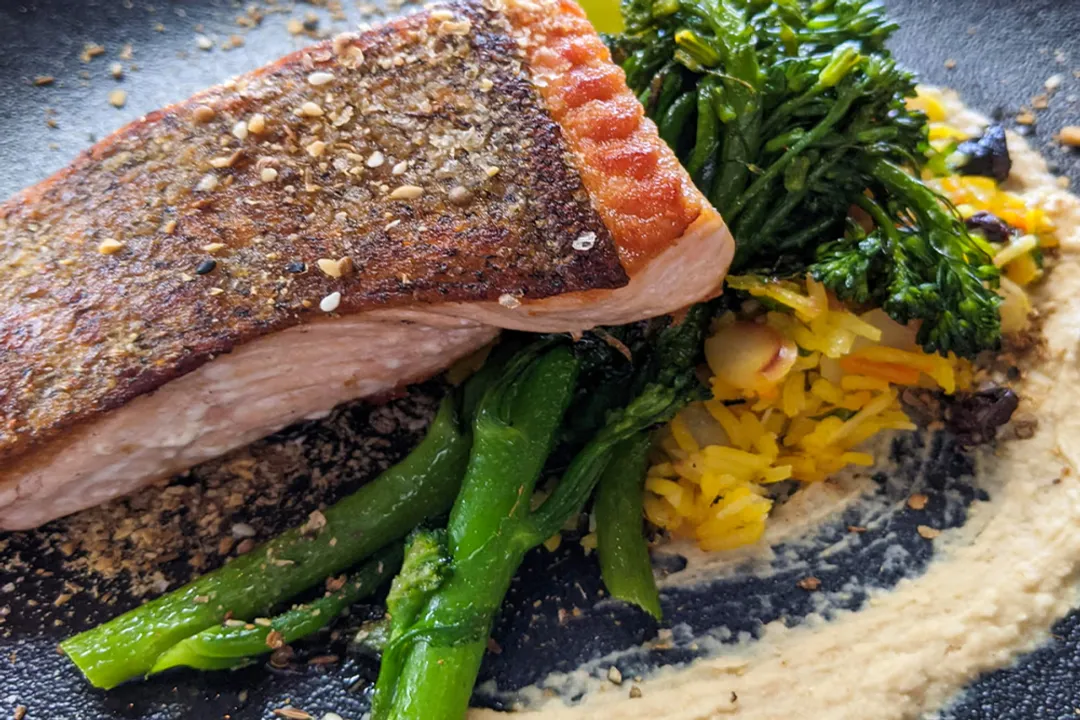
When determining the healthiest fish, we must account for environmental factors, most notably the presence of mercury. [1][7] Mercury contamination tends to accumulate more in larger, older predatory fish that have consumed many smaller fish over their lifespan. [7] This is why smaller fish, both lean and fatty, are generally safer for regular consumption. [1]
Fish generally considered lower in mercury include shrimp, canned light tuna, pollock, flounder, and sole. [1][7] Conversely, larger predators like swordfish, shark, king mackerel, and tilefish often carry higher mercury loads and should be eaten less frequently, especially by pregnant or breastfeeding women, or young children. [1][7] For individuals consuming fish multiple times a week, sticking to the low-mercury list is a crucial component of ensuring long-term health benefits outweigh any risk. [7]
# Preparation Health
The way you cook your fish dramatically impacts its final health value, regardless of whether you choose a lean or fatty variety. [5] A fresh piece of cod, inherently low in fat, can quickly become a high-calorie, high-saturated-fat meal if it is heavily battered and deep-fried. [5]
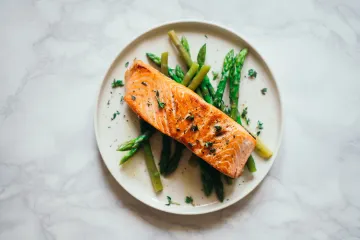
For lean white fish, the best methods emphasize retaining moisture while adding flavor without excess fat. Grilling, baking, broiling, or steaming are ideal choices. [5] For example, steaming cod gently not only preserves its delicate structure but keeps the fat content near its natural, minimal level. Conversely, if you choose a fatty fish like salmon, methods like baking or grilling are excellent because they allow some of the natural, healthy fats to render out, reducing the final caloric density while retaining the beneficial omega-3s. When pan-searing, pay attention to the type of oil used; using a heart-healthy oil like olive oil in moderation complements the fish's profile better than heavy butter or less stable cooking fats. Considering that many people eat fish primarily for the omega-3s, ensuring the preparation doesn't necessitate drowning it in inflammatory oils is just as important as choosing a fatty cut in the first place.
# Nutrient Density
While omega-3s are the headline, lean fish deliver other significant micronutrients essential for daily function. [2] Many lean white fish are surprisingly good sources of B vitamins, which are important for energy production and nervous system health. [9] For instance, haddock and cod offer significant amounts of Vitamin B12. [9] Furthermore, fish in general, including lean varieties, provide iodine, which supports thyroid function, and minerals like selenium, which acts as an antioxidant. [2] Choosing fish over processed protein sources guarantees you are consuming whole, bioavailable nutrients that support overall well-being. [9]
Related Questions
#Citations
5 of the Healthiest Fish to Eat—and 5 to Limit - EatingWell
The Top 10 Healthiest Fish to Eat and Their Benefits
What's the Healthiest Fish to Eat? - Houston Methodist
What Are the 12 Best Fish to Eat for Weight Loss? - Knownwell
10 healthy fish to eat - BBC Good Food
A Guide to Lean Fish vs Fatty Fish - Bulk Nutrients
Healthy Fish to Eat | Johns Hopkins Medicine
12 Best Types of Fish to Eat - Healthline
12 High-Protein Fish That Support Muscle and Heart Health