Which specific anti-nutrient found in mung beans can slightly inhibit the absorption of minerals like iron and zinc?
Answer
Phytic acid
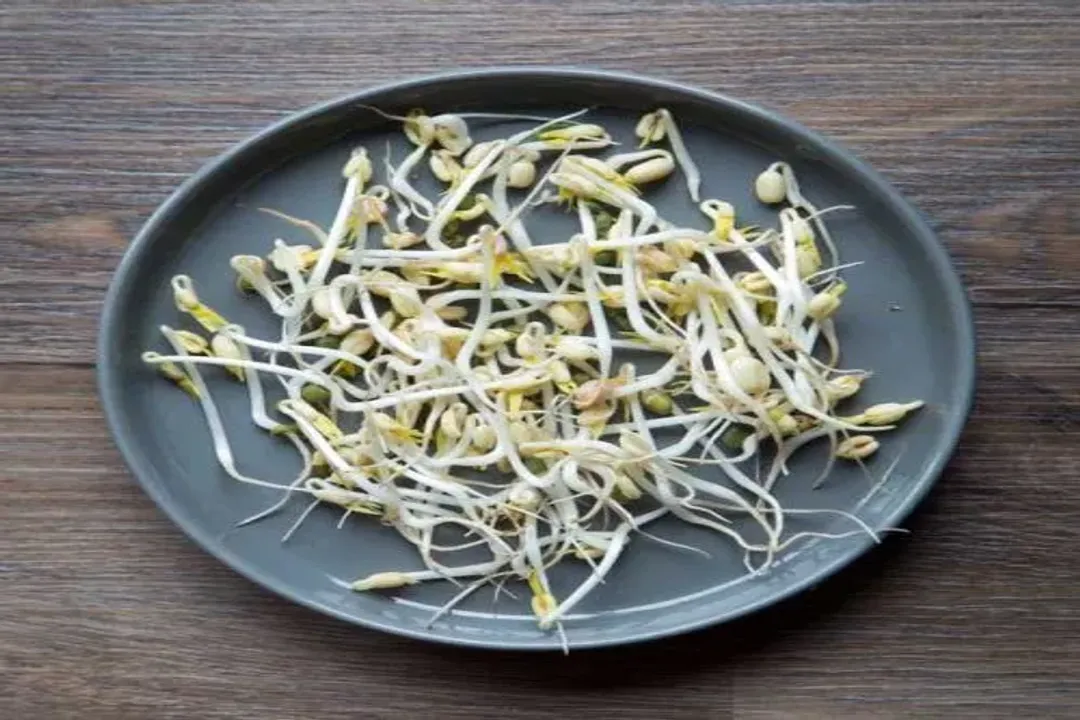
Like many legumes, beans, nuts, and seeds, mung beans naturally contain phytic acid, which is classified as an 'anti-nutrient'. This compound has the characteristic of binding to certain essential minerals, such as iron and zinc, within the digestive tract, thereby slightly impeding their proper absorption by the body. However, this concern is largely mitigated through standard food preparation techniques. Soaking, sprouting, or cooking the mung beans before consumption significantly reduces the levels of phytic acid present, making the minerals more bioavailable for regular eaters.
Related Questions
How does the high fiber content in mung beans reduce LDL cholesterol levels?What specific role does potassium play regarding cardiovascular wellness in mung bean consumption?What traditional belief in Traditional Chinese Medicine associates mung beans with?What crucial dietary requirement must accompany daily high-fiber mung bean intake to prevent digestive issues?Which two macronutrient components provide mung beans' dual benefit for weight management?How do mung beans assist in metabolic control regarding glucose response?What potential negative consequence can arise if high-fiber mung beans are introduced too suddenly in large quantities daily?What is the specific mechanism by which mung bean fiber functions for the gut microbiome?Which specific anti-nutrient found in mung beans can slightly inhibit the absorption of minerals like iron and zinc?What dietary strategy is suggested for maximizing the varied benefits when planning a daily mung bean routine?