What happens if I eat squash every day?

Incorporating a vegetable like squash into your daily diet is generally viewed as a positive step toward better nutrition, offering a wide range of vitamins and minerals without overloading you with calories. While eating any single food every day might sound monotonous, squash varieties—ranging from the familiar zucchini to hearty butternut and spaghetti squash—offer enough diversity in texture and nutrients to make a daily habit sustainable and beneficial for most people. [1][2] The real question isn't about immediate harm, but rather what specific advantages and potential considerations arise from making this vegetable a dietary staple.
# Nutrient Density
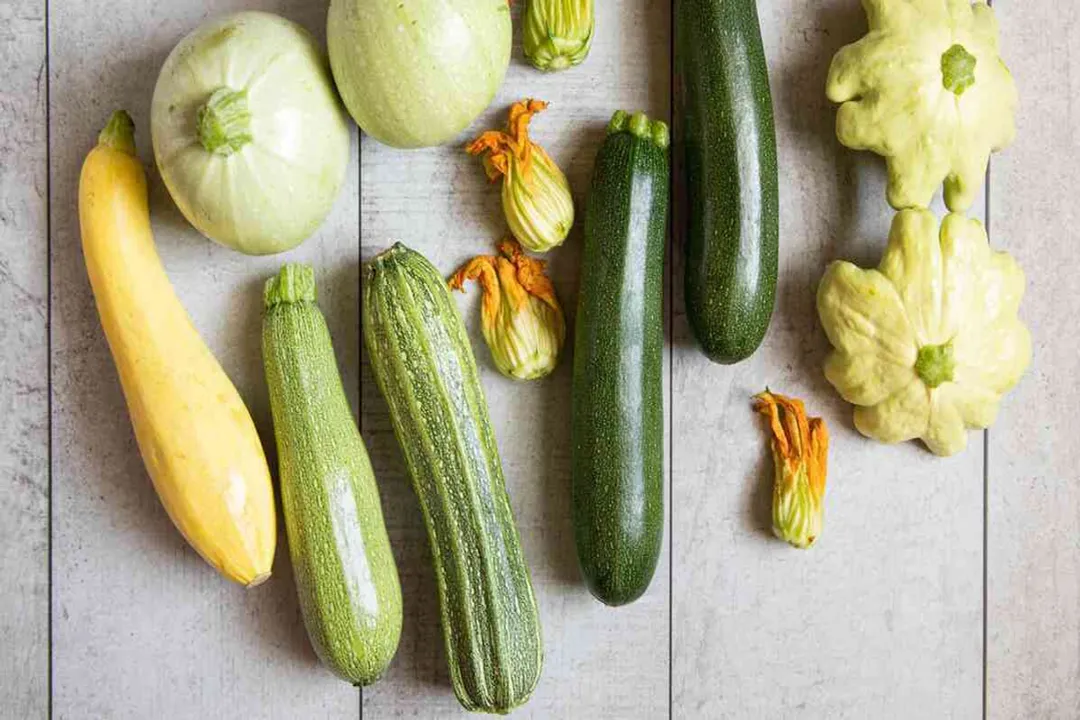
Squash is a nutritional powerhouse, particularly when you consider the low caloric cost associated with its consumption. Most varieties are low in calories and contain virtually no fat. [2] For instance, just one cup of cooked acorn squash contains significant amounts of Vitamin A, which is essential for vision, immune function, and cell growth. [6] Yellow squash, another popular choice, stands out by being a good source of Vitamin C, an important antioxidant, and also provides potassium, a mineral vital for heart and muscle function. [4]
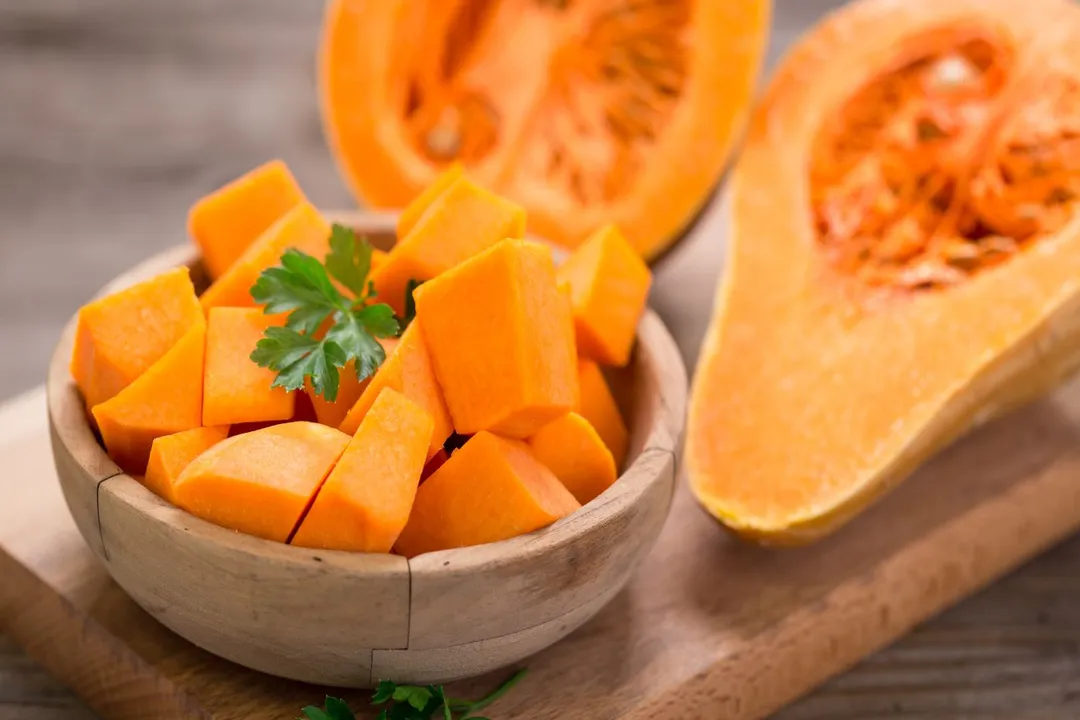
The fiber content is another major benefit. Daily inclusion of squash contributes substantially to your recommended fiber intake, aiding in digestive regularity and promoting satiety, which can assist with weight management efforts. [2] Different types of squash will offer slightly varied profiles. For example, darker-fleshed varieties like butternut squash tend to be richer in beta-carotene (the precursor to Vitamin A) compared to lighter varieties like zucchini or yellow squash, though all offer beneficial amounts of B vitamins, including folate. [6] Think of your daily squash habit not as eating the same thing, but as cycling through a family of vegetables with overlapping, yet distinct, nutritional gifts. If you were to track your intake over a month, you might notice you consume more Vitamin A in weeks featuring acorn or butternut, and higher Vitamin C in weeks dominated by yellow squash or zucchini. [4][6]
# Metabolic Support
Consuming squash regularly supports several key bodily functions, often related to its mineral and antioxidant composition. The potassium found in many squashes helps manage blood pressure by counteracting the negative effects of sodium. [4][8] Furthermore, the fiber inherent in these vegetables plays a role in blood sugar management. By slowing down the absorption of sugar, fiber helps prevent rapid spikes in glucose levels, a crucial benefit for maintaining steady energy and supporting metabolic health. [2]
The presence of antioxidants is significant for long-term health. Vitamins A and C, along with other beneficial plant compounds, help combat oxidative stress in the body. [2][6] While single food consumption shouldn't be seen as a cure-all, a consistent intake of these vitamins from sources like squash contributes positively to maintaining cellular health throughout your system, including supporting your vision due to the high levels of Vitamin A found in darker varieties. [6]

# Zucchini Specifics

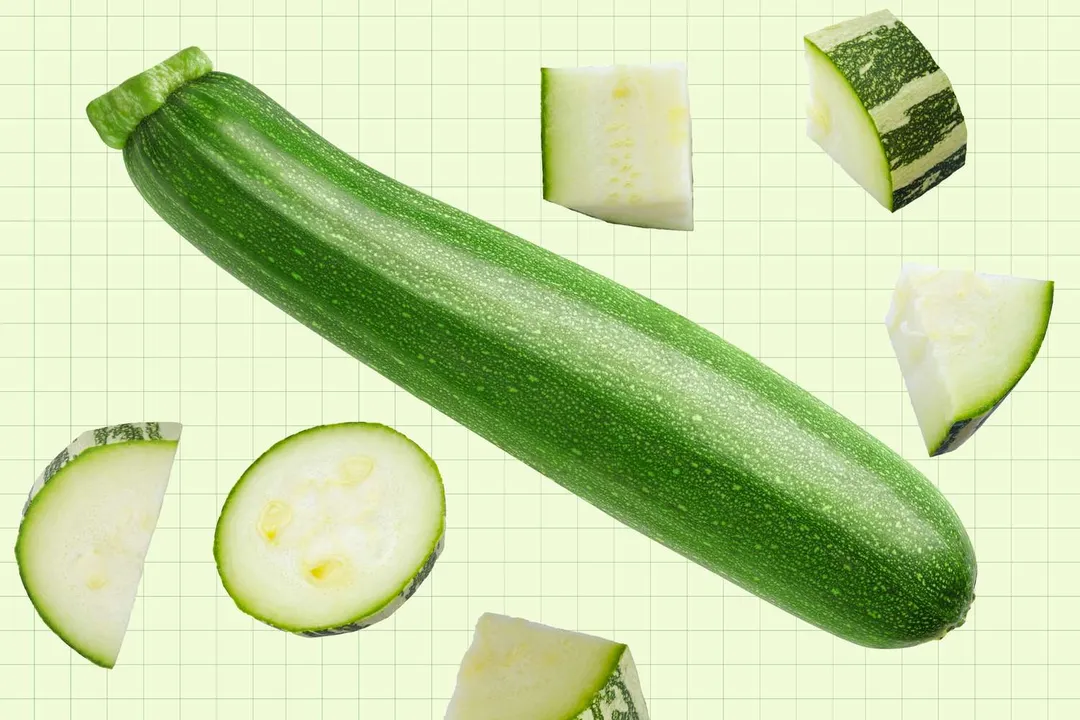
Zucchini, perhaps the most frequently eaten summer squash, deserves a closer look, especially given its high water content and mild flavor, which make it incredibly easy to integrate into meals daily. [3] When someone commits to eating zucchini every day, the most immediate effects noted are often related to hydration and digestion due to its water and fiber levels. [7]
One person who documented eating zucchini daily noted that it was surprisingly easy to integrate—sautéed, roasted, or even raw in salads—and they felt a positive shift in their general well-being, attributing it partly to feeling more "in tune" with their food choices. [7] Because zucchini is so low in starches and sugars compared to some other vegetables, it doesn't significantly impact caloric intake, even when eaten in generous portions. [3] However, it is important to note that while zucchini offers Vitamin C, it generally contains less Vitamin A than its darker-fleshed cousins, highlighting the value of rotating within the squash family for comprehensive nutrition. [6] If you base your daily habit solely on zucchini, you might miss out on the Vitamin A punch provided by something like pumpkin or hubbard squash.
# Digestive Considerations
While the fiber in squash is generally a benefit, eating too much of anything, even something healthy, can have digestive repercussions. If you suddenly increase your intake significantly, as might happen when deciding to eat squash every day if you previously ate very little, you might experience bloating, gas, or an upset stomach. [5] This is a common reaction to a rapid surge in dietary fiber.
For someone who is accustomed to a moderate-to-high fiber diet, daily consumption of a standard serving of squash is unlikely to cause distress. [2] The key is moderation and understanding your personal tolerance. If you are sensitive, perhaps starting with half a cup daily and gradually increasing, or ensuring that your other daily vegetable intake is also high in fiber, can prevent discomfort. [5] If you notice ongoing issues, you might need to switch to less fibrous varieties or reduce the overall volume consumed on certain days.

# Renal Health Factors
A crucial consideration for anyone adopting a very consistent, high-intake dietary pattern involves kidney function. For individuals with healthy kidneys, the minerals and water content in squash are beneficial. [9] However, people managing chronic kidney disease (CKD) need to be more cautious.
Squash, especially those varieties higher in potassium, can be problematic if potassium levels are already elevated in the blood (hyperkalemia) due to compromised kidney function. [9] Potassium is a mineral that healthy kidneys efficiently filter out, but when the kidneys are not working optimally, this mineral can build up, potentially affecting heart rhythm. [9] While the potassium in a standard serving of squash is generally fine for healthy individuals, someone on a specific kidney diet might need to limit or avoid certain types of squash or manage portions strictly under medical guidance. [9] It is essential to consult with a renal dietitian or physician to assess how a daily squash habit fits into a restricted diet plan. [9]
# Diversifying Your Daily Routine
To maximize the benefits and maintain interest, a simple strategy is to adopt a "Squash Day Cycle." Instead of planning for squash every day, plan for a different type of squash every day or every few days. This ensures you are hitting a broader spectrum of phytonutrients and vitamins over the course of a week.
For example, a person could structure their week like this:
| Day | Squash Type Focus | Primary Benefit Highlighted |
|---|---|---|
| Monday | Zucchini | Low-calorie bulk, easy vegetable base [3] |
| Tuesday | Butternut | High Vitamin A / Beta-Carotene [6] |
| Wednesday | Spaghetti Squash | Lower overall carbohydrate density |
| Thursday | Acorn Squash | Good source of B Vitamins and fiber [6] |
| Friday | Yellow Squash | Noticeable Vitamin C boost [4] |
This rotation prevents nutrient stagnation and keeps meal preparation interesting. You avoid the mental fatigue of eating the same preparation repeatedly, which often leads to abandoning a healthy habit. [1] Furthermore, an original observation is that the cooking method matters significantly for nutrient retention; steaming or microwaving squash often preserves more heat-sensitive vitamins, like Vitamin C in yellow squash, compared to long, slow roasting, which is better for developing the sweet flavor of winter squashes. [4][6]
# Beyond the Plate
The experience of consistently eating a whole, unprocessed food like squash every day often leads to a secondary, positive outcome: increased awareness of other dietary patterns. When you commit to one healthy staple, you often naturally start paying closer attention to what else you are consuming, finding it easier to pair the squash with lean proteins or whole grains. [7] This isn't about the squash itself causing a complete dietary overhaul, but rather that the intentionality required to sustain a single-vegetable focus often spills over into more mindful eating generally.
Ultimately, making squash a daily feature in your diet is a sound nutritional choice for most people, provided they listen to their body regarding fiber intake and, if applicable, are mindful of potassium levels in consultation with their healthcare provider. [1][9] The variety available within the squash category ensures that this daily habit remains beneficial, interesting, and supportive of long-term wellness goals. [2]
Related Questions
#Citations
What Happens to Your Body If You Eat Squash Every Day ...
Health Benefits of Squash
What Happens to Your Body When You Eat Zucchini ...
What Happens to Your Body When You Eat Yellow Squash ...
Possible to eat too much squash!? : r/food
6 Health Benefits of Squash
I Ate Zucchini Every Day for a Week—Here's What Happened
5 Reasons to Eat More Squash
Squash