Is it okay to eat sambar every day?
Sambar is a staple dish across South India, a flavorful lentil and vegetable stew seasoned with aromatic spices, often accompanying staples like idli, dosa, or rice. For many, the question of eating this comforting preparation daily isn't about if it’s okay, but rather how often it naturally occurs in their routine. The reality is that in many households, the consumption frequency is quite high, leading to legitimate inquiries about long-term health impacts. The answer hinges less on the dish itself and more on its specific formulation and the context of the overall diet.
# Regional Habits
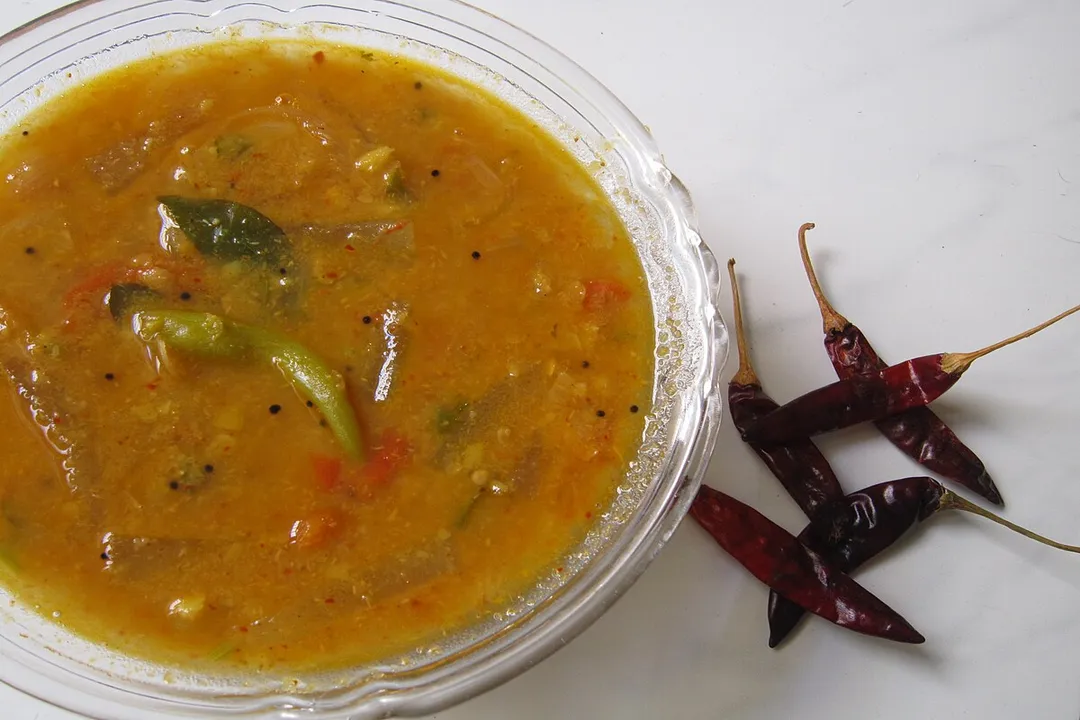
In certain regions, eating sambar daily is less of an exception and more of a tradition. For example, discussions among Tamil speakers often point toward sambar being a fixture for lunch, perhaps served with rice, though sometimes variations or different lentil dishes might substitute it on a weekly basis. Similarly, looking at the habits of Malayalis, it is common to see sambar or related lentil preparations regularly incorporated into meals, highlighting its established place in the daily culinary landscape of the South. This high frequency in traditional settings suggests that when prepared traditionally and portioned correctly, it can be a sustainable dietary component.
# Ingredient Value
The health potential of sambar stems directly from its core ingredients. It is fundamentally a lentil-based preparation, usually incorporating toor dal (split pigeon peas), which serves as an excellent source of plant-based protein and dietary fiber. Beyond the lentils, sambar is traditionally loaded with various vegetables, such as drumsticks, carrots, okra, and pumpkin, contributing a wide spectrum of vitamins, minerals, and antioxidants.
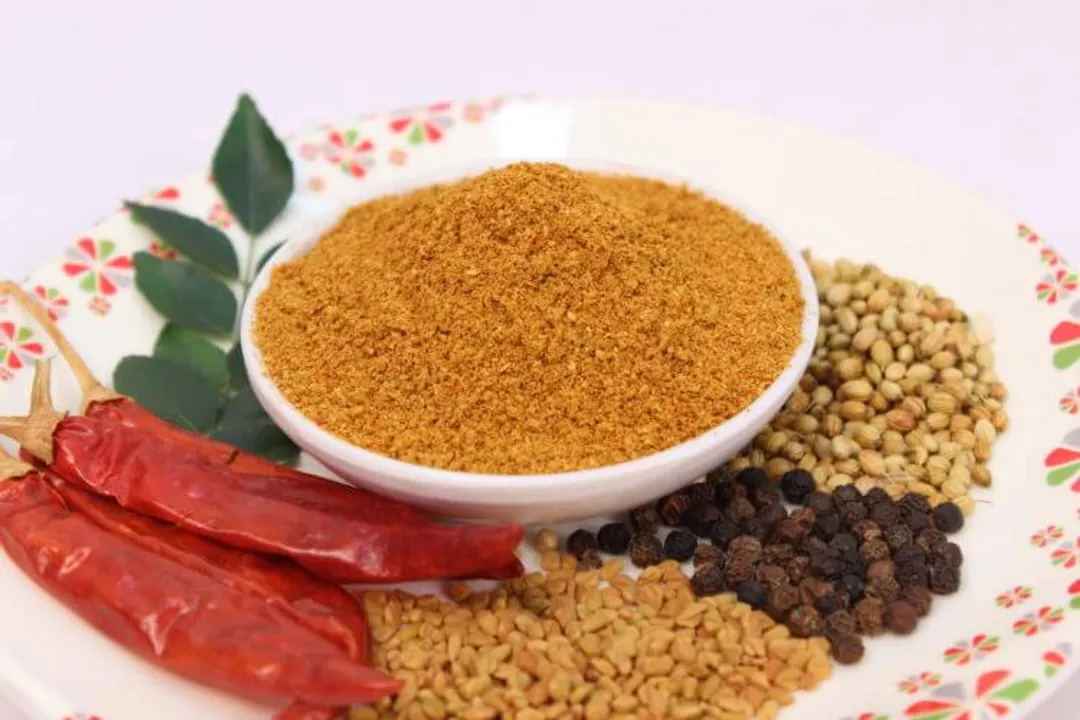
The spice blend, known as sambar powder, adds another layer of nutritional benefit. Ingredients like fenugreek, coriander seeds, and chilies are not just for flavor; they possess inherent anti-inflammatory and digestive properties. When prepared well, sambar is easily digestible, making it suitable for consumption across different age groups, from young children to the elderly. It offers a balanced mix of macronutrients, especially when paired with grains like rice or millets.

# Health Advantages
Consuming a bowl of sambar regularly can offer several recognized health benefits. Due to the high fiber content from the lentils and vegetables, it aids in maintaining gut health and can help manage blood sugar levels by slowing down glucose absorption. The presence of legumes also contributes to satiety, potentially assisting with weight management when consumed as part of a balanced meal. Furthermore, if the preparation emphasizes beneficial spices like turmeric (often included in the powder), there are associated anti-inflammatory effects that can support overall well-being.
When sambar is eaten alongside idli, the combination is particularly effective. Idli provides easily digestible carbohydrates, while sambar balances this with protein and fiber, creating a nutritionally complementary meal that sustains energy better than carbohydrates alone.
# Sodium Trap
While the base ingredients are undeniably healthy, the primary concern with eating any dish daily—especially one as popular as sambar—is the potential for excess sodium intake. Many commercial preparations or restaurant versions rely heavily on salt to enhance flavor and act as a preservative, creating what some health experts refer to as a "salt trap".
Studies show that consistently high sodium intake is linked to increased blood pressure and cardiovascular risk. A significant portion of the sodium often comes from added table salt, but it can also come from pre-made sambar masalas or concentrated tamarind pastes. Therefore, the question shifts from Can I eat it every day? to Is the sambar I am eating every day low in salt?. Another potential pitfall relates to the vegetables used; while generally healthy, if the preparation method compromises their nutritional integrity (e.g., overcooking them to the point of nutrient loss), the daily benefit diminishes.
# Daily Customization
To make daily sambar consumption unequivocally safe and beneficial, focusing on moderation and preparation style is key. The traditional preparation can be subtly modified to align with daily dietary needs without sacrificing taste.
| Component Focus | Standard Preparation | Daily Health-Conscious Modification |
|---|---|---|
| Lentil Ratio | High toor dal content | Balance with other pulses (e.g., moong dal) to vary amino acid profiles. |
| Vegetable Volume | Standard mix | Increase the volume of non-starchy vegetables (e.g., gourds, greens) to boost micronutrients per serving. |
| Tamarind/Acidity | Heavy tamarind for tang | Reduce tamarind; substitute with a squeeze of fresh lemon or a pinch of amchur powder after cooking. |
| Salt Content | Flavor-driven | Measure salt strictly; rely more on fresh herbs (cilantro, curry leaves) and roasted spices for depth. |
One effective strategy for daily intake is to treat the vegetable component as the main variable. If you have sambar on Monday with rice, ensure Tuesday’s sambar features entirely different vegetables than Monday’s batch, maximizing the range of vitamins absorbed over the week. This approach ensures you are not over-consuming one specific nutrient tied to a particular vegetable while still enjoying the base lentil and spice profile daily.
# Pairing Strategy
Sambar is rarely eaten alone; its purpose is often to be a liquid accompaniment or a gravy base for solid foods. For someone eating sambar every day, what they eat with it becomes as important as the sambar itself. If the primary pairing is idli or dosa made from fermented batters, this is generally a good combination due to the complementary textures and nutrient profiles.
However, if the daily pairing is only with white rice, the overall meal leans heavily on simple carbohydrates. A helpful adjustment for daily eaters would be to alternate the grain base. Consider pairing the daily sambar with brown rice, quinoa, or even using it as a topping for millets like ragi or bajra a few times a week. This small switch helps manage the glycemic load of the overall meal, providing more sustained energy throughout the day, a benefit that plain white rice might not offer consistently. If your goal is lower carbohydrate intake overall, you might consider treating the sambar as a thick soup and pairing it with steamed vegetables instead of grains on certain days.

# Verdict on Frequency
Eating sambar every day is generally considered acceptable, provided attention is paid to its preparation. The health advantages inherent in the combination of lentils, vegetables, and spices are significant. The potential pitfalls—chiefly high sodium and reliance on refined accompaniments—are entirely manageable through home cooking and mindful portioning. It is a dish that supports good digestion and supplies essential nutrients when prepared thoughtfully. For the everyday consumer, the key takeaway is control over the ingredients, particularly the salt added during the cooking process, which is where homemade preparation vastly outperforms many store-bought alternatives.
Related Questions
#Citations
Do Tamilians have sambar every day for lunch? - Quora
Do malayalis consume sambar regularly? : r/Coconaad - Reddit
Sambar - The Perfect Food For All Age Groups – alcofoods
Decoded: 7 health benefits of eating a bowl of idli and sambar and 3 ...
Sambar Health Benefits: Is It Truly Healthy or a Salt Trap?
Is the Spicy Sambar Powder Healthy? Benefits & Facts
I noticed sambhar is giving me acidity after a few hours. I'm not sure ...
I Could Eat Sambar Everyday for the Rest of My Life! #shorts ...
Idli Sambar: A Nourishing Combination of Health and Taste