What happens if I eat bok choy every day?
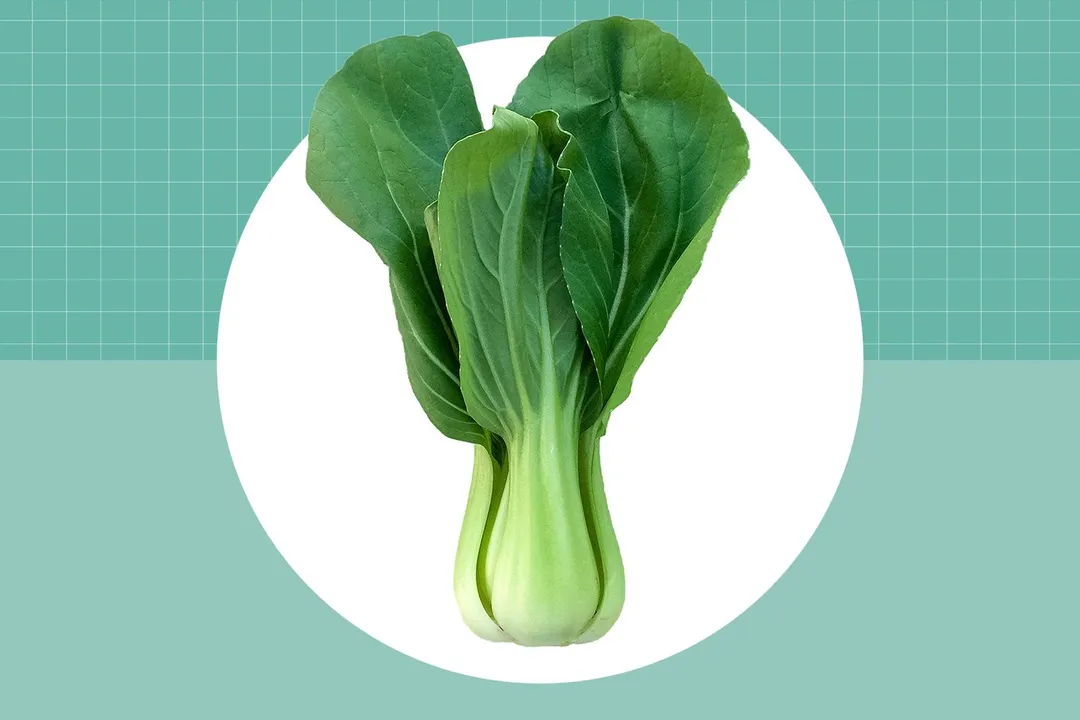
Adding bok choy, that crisp, nutrient-packed member of the cabbage family, to your daily routine can certainly have noticeable effects on your health profile. It is a staple in many Asian cuisines, prized not only for its mild, slightly sweet flavor but also for its impressive nutritional density, especially considering it’s extremely low in calories. When considering eating it every single day, the conversation shifts from general benefits to understanding long-term impact, nutrient absorption, and potential interactions.
# Nutritional Powerhouse
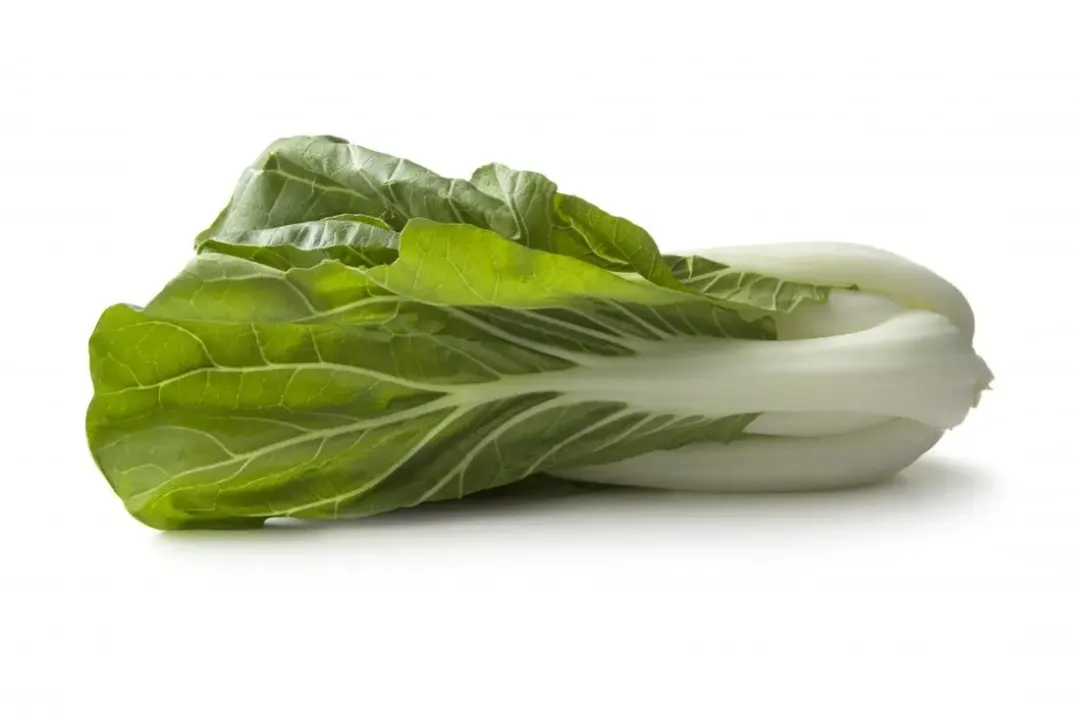
A daily serving of bok choy provides a significant boost of several essential vitamins and minerals. For instance, it is an excellent source of Vitamin A, which is vital for vision and immune function, often supplying more than the recommended daily intake in just one cup cooked. You are also getting substantial amounts of Vitamin C, a key antioxidant, and folate, which plays a part in cell division and growth.
Looking at minerals, bok choy is notable for its calcium content, especially when compared to other leafy greens. While it contains calcium, its bioavailability (how much the body can actually absorb) is better than some other vegetables because it is lower in oxalates. Furthermore, it delivers potassium, an important electrolyte that helps maintain fluid balance and healthy blood pressure. Even in terms of macronutrients, it contributes positively; a cup of cooked bok choy has only about 18 calories and roughly one gram of protein, making it a very efficient way to increase vegetable volume in your diet.
# Heart Health
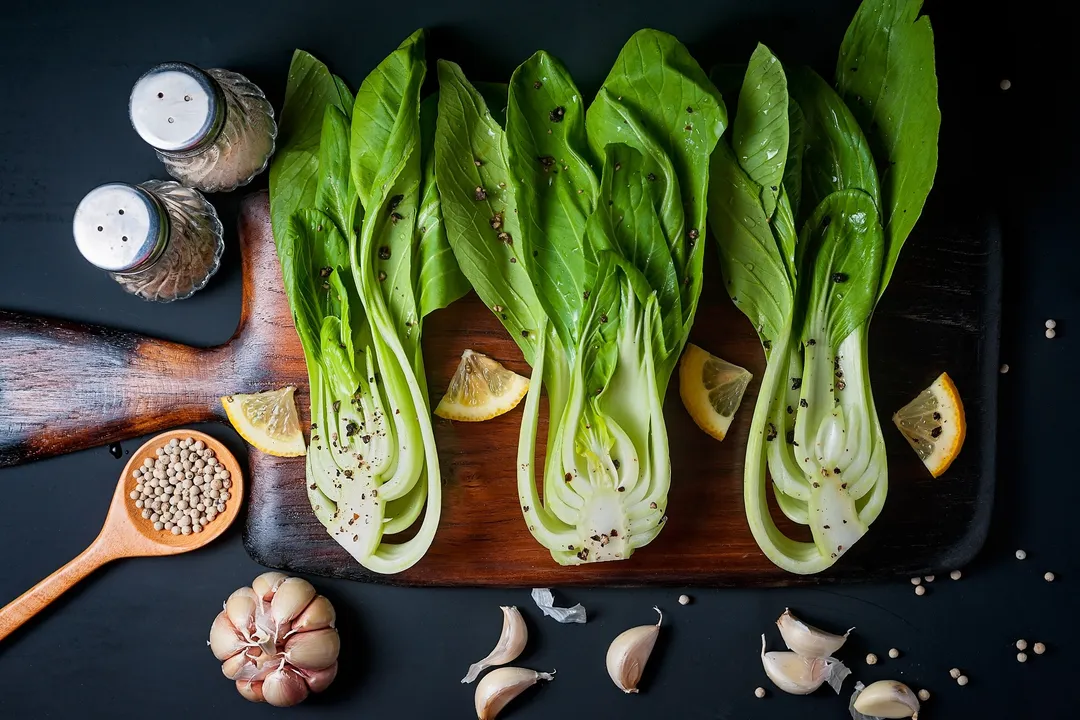
Consistently eating nutrient-dense vegetables like bok choy supports cardiovascular wellness through several pathways. The presence of antioxidants, such as kaempferol, helps combat oxidative stress, a process implicated in heart disease development. Kaempferol has been shown in studies to reduce the risk factors associated with heart disease.
Additionally, bok choy contains compounds that may help lower cholesterol levels. The potassium content aids in managing blood pressure by balancing the negative effects of sodium, supporting overall circulatory health. By incorporating it daily, you are steadily feeding your body components that help keep blood vessels flexible and reduce systemic inflammation.

# Bone Strength
If you are looking to fortify your skeletal system, adding bok choy to your daily menu is a wise choice, primarily because of its Vitamin K content. Vitamin K is necessary for the synthesis of osteocalcin, a protein essential for binding calcium to the bone matrix. Adequate Vitamin K intake is strongly linked to better bone density and lower fracture risk.
While the calcium contribution is valuable, it is important to note how it compares to other nutrient sources. A typical serving provides a decent percentage of the recommended daily intake for Vitamin K, often more than half, alongside measurable calcium and magnesium, both of which are minerals critical for bone maintenance.
# Inflammation Control
Chronic inflammation is linked to numerous modern ailments, and boosting your intake of anti-inflammatory foods is a proactive step. Bok choy is rich in antioxidants that neutralize harmful free radicals in the body. Besides kaempferol, it contains other beneficial compounds like glucosinolates, which convert into isothiocyanates when chewed or chopped. These compounds are actively studied for their anti-inflammatory and cancer-protective properties. Consuming this vegetable daily ensures a steady supply of these protective phytochemicals working to mitigate cellular damage.

# Thyroid Considerations
The topic of eating any cruciferous vegetable daily requires a discussion about thyroid function. Bok choy, like broccoli and cabbage, contains goitrogens—substances that can potentially interfere with iodine uptake by the thyroid gland, which could lead to thyroid issues, particularly in people with pre-existing iodine deficiency.
It is important to contextualize this risk. For the average, healthy individual eating a standard Western diet with adequate iodine intake, moderate daily consumption of cooked bok choy is rarely a concern. The process of cooking significantly deactivates these goitrogenic compounds. However, if someone were to consume very large quantities of bok choy raw every day—think several large heads—it could potentially pose a problem for those already susceptible to thyroid dysfunction. One approach to daily inclusion, therefore, must involve preparation methods that mitigate this potential, which leads us to practical application.
# Preparation Practice
When incorporating bok choy into your diet seven days a week, the method of preparation becomes as important as the vegetable itself. Since many of the beneficial, fat-soluble vitamins like Vitamin A are best absorbed when eaten with a little fat, a quick stir-fry with a teaspoon of sesame or olive oil is ideal. This also helps deactivate goitrogens. If you are blanching it briefly, that is also a better choice than eating large amounts raw.
A simple but often overlooked technique for maximizing nutritional benefit while keeping volume high is to use the entire plant. Don't discard the stalks; slice the thicker white stalks thinner than the leafy greens so they cook evenly. A common culinary error is overcooking, which leaches water-soluble vitamins like Vitamin C into the cooking liquid. To combat this nutrient loss when cooking daily, consider steaming for only three to five minutes until tender-crisp, or adding the leaves in the final minute of a soup preparation rather than boiling them for extended periods.
# Nutrient Retention
Focusing specifically on the long-term daily consumption of cruciferous vegetables introduces an interesting consideration regarding mineral absorption balance. While bok choy is lower in oxalates than spinach, making its calcium more available, consuming any single vegetable in large quantities daily can potentially displace other crucial dietary components. For example, if your daily bok choy intake is so high that you are significantly reducing your intake of other calcium-rich foods like dairy or fortified alternatives, you might be relying too heavily on one source. A better strategy for daily vegetable consumption is variety. Rotating bok choy with other low-oxalate greens, such as Swiss chard or kale (prepared appropriately), helps ensure a broader spectrum of phytonutrients over the week, preventing potential reliance on a single nutrient pathway.
Another point to consider regarding daily consumption relates to Vitamin K and medication. If you are taking a blood thinner like Warfarin (Coumadin), which works by interfering with Vitamin K-dependent clotting factors, eating a consistent, known amount daily is much safer than having wildly fluctuating amounts. A dietitian might advise keeping your Vitamin K intake steady, whether that means a small, consistent amount of bok choy daily or eliminating it, rather than skipping it one day and eating a huge portion the next. If you are on this medication, consulting your healthcare provider about your exact intake is non-negotiable.
# Gut Health Factor
For many people, the main draw of a daily vegetable habit is improved digestive function, and bok choy delivers here too due to its fiber content. Fiber helps regulate bowel movements, prevents constipation, and supports a healthy gut microbiome. A single cup of cooked bok choy contributes a few grams of dietary fiber, which is a modest but steady contribution to your daily goal. When introducing any high-fiber food into the diet suddenly or in large quantities daily, some people experience gas or bloating initially, so building up to a full daily serving over a week or two is often more comfortable for the digestive system.
# Sourcing Stability
A final, practical thought on making bok choy a daily feature relates to sourcing, which experts in food safety sometimes point out when discussing raw produce consumption. Like all leafy greens, bok choy can potentially accumulate heavy metals, such as cadmium, if grown in contaminated soil. While this is a risk associated with any daily produce item grown in questionable conditions, it becomes a slightly greater cumulative concern with daily intake. Whenever possible, choosing organically grown or locally sourced bok choy from vendors you trust provides a layer of security regarding environmental contaminants. This emphasizes the importance of food quality when making a vegetable a nutritional cornerstone.
Related Questions
#Citations
Bok Choy: Nutrition, Benefits, Risks, and How to Cook It - Healthline
Is Bok Choy Healthy? Here's What a Dietitian Has to Say - EatingWell
Health Benefits of Bok Choy - WebMD
5 Bok Choy Benefits - Cleveland Clinic Health Essentials
Bok choy: Benefits, nutrition, diet, vs spinach, and risks
Why choose bok choy to eat? Bok Choy is the 2nd most nutrient ...
Should people stop eating Bok choy? : r/nutrition - Reddit
Bok Choy Facts, Calories, Health Benefits And Side Effects - BetterMe
Back away from the bok choy, ma'am - NBC News