Is it healthy to eat mung beans every day?
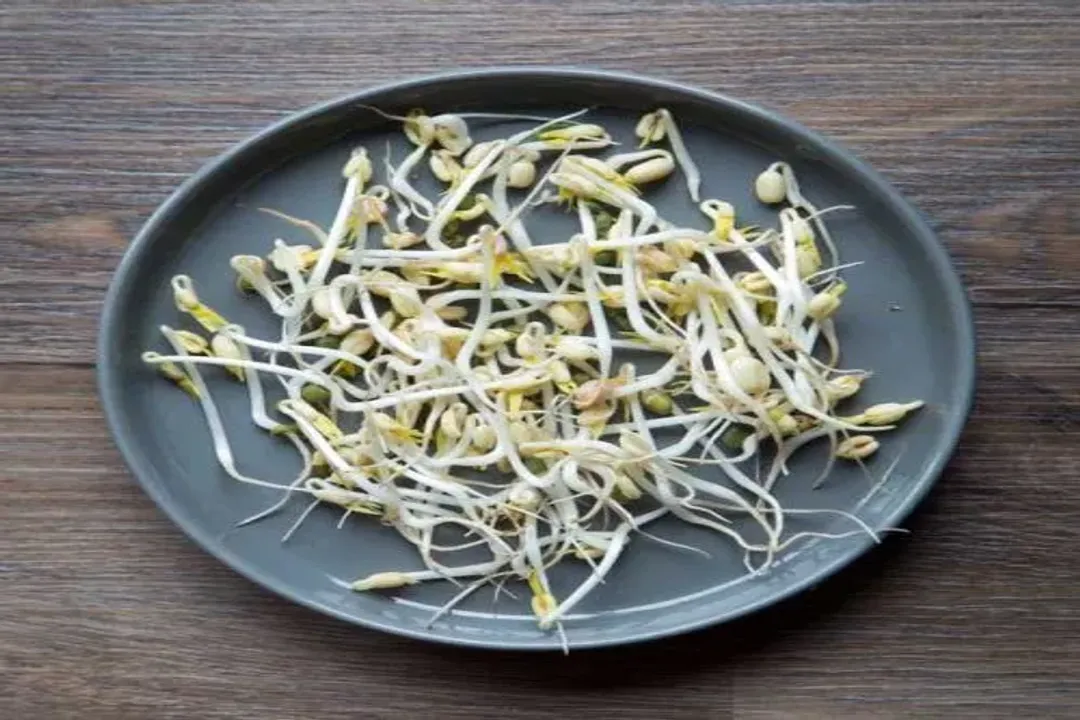
Mung beans, those small, unassuming legumes, have a long history in many global cuisines, often featuring in everything from savory lentil-like preparations to sweet desserts. Considering their place in a regular diet, the question naturally arises: is incorporating mung beans into your daily meal plan a genuinely healthy choice? The general consensus across nutritional summaries is that they offer a significant nutritional boost, making frequent consumption quite beneficial for most people. They are recognized for being packed with essential vitamins, minerals, and dietary fiber, which contribute positively to various aspects of wellness.
# Key Nutrients

The nutritional density of the mung bean is a major reason behind its health reputation. They provide a strong profile of both macronutrients and micronutrients. For instance, mung beans are known to be a good source of protein, which is essential for muscle maintenance and satiety. Furthermore, they contain carbohydrates, although their fiber content is particularly notable.
When looking at the micronutrient side, mung beans deliver significant amounts of certain B vitamins, including folate, which is vital for cell function and growth. They are also a decent source of minerals like magnesium, phosphorus, iron, copper, and potassium. Potassium, in particular, supports healthy blood pressure levels, while iron is crucial for oxygen transport in the blood. Some sources also highlight the presence of antioxidants, which help combat oxidative stress in the body.
To illustrate the compact nature of this nutrition, consider what a standard serving might offer. While specific values vary based on whether they are cooked or sprouted, a typical 100-gram serving of cooked mung beans provides a substantial percentage of your daily needs for several key nutrients.
| Nutrient Group | Key Component | Potential Contribution |
|---|---|---|
| Macronutrients | Protein | Supports muscle repair and fullness |
| Fiber | Dietary Fiber | Aids in digestive health and blood sugar control |
| Minerals | Potassium, Magnesium | Supports cardiovascular function |
| Vitamins | Folate (B9) | Important for DNA synthesis and cell growth |
# Heart Health
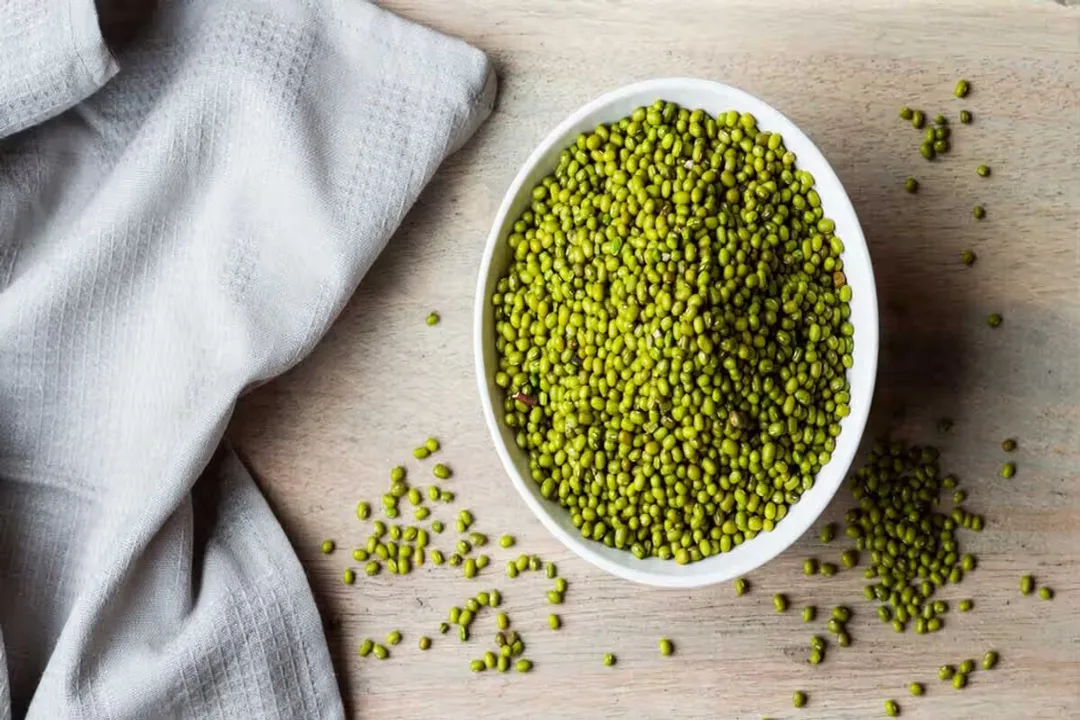
One area where daily mung bean intake shows promise is cardiovascular wellness. The high fiber content plays a direct role here, specifically in managing cholesterol levels. Soluble fiber helps reduce low-density lipoprotein (LDL) cholesterol—often termed "bad" cholesterol—by binding to it in the digestive tract and promoting its excretion. Additionally, the presence of minerals like potassium helps balance the negative effects of sodium, contributing to regulated blood pressure. Eating mung beans regularly, as part of a balanced diet, supports the body’s maintenance of healthy lipid profiles and vascular function.

# Weight Management
For those focused on maintaining a healthy weight or managing appetite, mung beans offer a dual benefit: high protein and high fiber. Protein is well-known for increasing feelings of fullness, or satiety, which can naturally lead to reduced overall calorie intake throughout the day. Similarly, the fiber in mung beans slows down digestion, keeping you satisfied longer after a meal. If someone is incorporating a small, measured portion, like the 30 grams mentioned in some discussions, they gain a concentrated dose of these filling elements without a high caloric load, provided the rest of the meal is also sensible. This contrasts them favorably with many refined carbohydrates, which offer quick energy but little lasting satiety.
# Digestive Support
The fiber in mung beans is not just beneficial for cholesterol; it’s fundamental for a well-functioning digestive system. This fiber acts as a prebiotic, feeding the beneficial bacteria in your gut microbiome. A thriving gut flora is linked to improved nutrient absorption and overall immune health.
However, introducing any high-fiber food, including mung beans, suddenly or in very large quantities daily can lead to digestive upset, such as gas or bloating, especially for those unaccustomed to high-fiber diets. This is a crucial point for anyone planning daily consumption. To mitigate this, many cooks advocate for proper preparation. While the sources mention soaking and sprouting as preparation methods, an effective strategy for daily intake is to start small and gradually increase the portion size over several weeks. This allows the gut bacteria time to adapt to the increased fiber load, minimizing discomfort.

# Metabolic Control
Mung beans show potential in helping to manage blood sugar levels, making them a thoughtful inclusion for individuals monitoring their glucose response. The fiber content works to slow the absorption of sugars into the bloodstream, which prevents sharp spikes in blood glucose after eating. Furthermore, studies suggest that mung beans contain compounds that may inhibit certain enzymes involved in carbohydrate digestion, further stabilizing blood sugar response. This controlled release of energy, derived from the complex carbohydrates and fiber, is a significant advantage over quick-digesting simple sugars.
# Traditional Views and Detoxification
Beyond conventional nutritional science, mung beans have a respected place in Traditional Chinese Medicine (TCM), where they are often associated with cooling the body. In TCM practice, mung beans are believed to help clear "heat" from the body and support detoxification processes. Some traditional applications suggest that consuming them can help reduce inflammation or clear skin issues, such as acne, often attributed to internal heat imbalances. While TCM concepts don't map directly onto Western biomedical terminology, this traditional use points to the beans' recognized role as a cleansing or balancing food in various cultural contexts.

# Daily Intake Considerations
The feasibility of eating mung beans every day depends heavily on the quantity consumed and individual tolerance. As noted, a 30-gram daily intake (dry weight, which translates to more cooked) is cited in some discussions as a reasonable amount to reap benefits without overdoing it. The general advice supports regular consumption because they are lower in starch and sugar compared to many other legumes.
When planning daily meals, consider how you consume them. Eating them sprouted versus cooked changes their nutrient profile slightly; sprouting can increase the bioavailability of certain vitamins and enzymes. For a daily routine, rotating between cooked beans, split dal, and fresh sprouts ensures you get a varied spectrum of their potential benefits. For example, you might have mung bean sprouts in your lunchtime salad one day, and a bowl of moong dal soup the next. This variability is an excellent, subtle way to maximize nutritional intake while adhering to a consistent food source.
A practical approach for daily integration involves thinking beyond the traditional Indian preparation of dal. Consider using ground, cooked mung beans as a partial substitute for flour in pancakes or thickening agent in smoothies—a method that adds protein and fiber unnoticed, especially if you are managing a household where taste preferences for legumes vary. This kind of integration helps ensure the habit sticks without becoming monotonous.
# Potential Concerns
While overwhelmingly positive, daily consumption isn't without minor considerations for everyone. As a legume, mung beans contain phytic acid, an "anti-nutrient" that can slightly inhibit the absorption of minerals like iron and zinc. This is a common characteristic of all beans, nuts, and seeds. However, proper preparation, such as soaking, sprouting, or cooking, significantly reduces phytic acid levels, mitigating this concern for regular eaters.
Furthermore, the high fiber content, as mentioned earlier, necessitates adequate water intake. Fiber needs water to move smoothly through the digestive tract; without sufficient hydration, high fiber intake can paradoxically lead to constipation rather than relief. If you commit to eating mung beans daily, making sure you are drinking plenty of water throughout the day becomes an essential supporting action.
# Versatility in the Kitchen
The mild, slightly sweet flavor of mung beans is a significant asset that supports daily consumption because they adapt well to numerous flavor profiles. They absorb spices and seasonings beautifully, preventing palate fatigue often associated with eating the same main ingredient too frequently.
Here are a few straightforward ways to weave them into a daily schedule:
- Breakfast Boost: Add blended, cooked mung beans into oatmeal or use them as a base for savory breakfast pancakes.
- Salad Topping: Use sprouted mung beans raw for a fresh, crunchy texture that is nutritionally dense.
- Soup/Stew Filler: Substitute or supplement rice or pasta with whole or split mung beans in any broth-based dish for added protein and fiber.
Ultimately, the evidence strongly suggests that incorporating mung beans into your daily diet is a highly nutritious habit. Their impressive profile of protein, fiber, vitamins, and minerals provides support for heart health, weight management, and stable blood sugar, provided they are introduced gradually and paired with adequate hydration.
Related Questions
#Citations
10 Impressive Health Benefits of Mung Beans - Healthline
Mung bean is underrated or it is just a low quality protein? - Reddit
5 Mung Bean Benefits | Bob's Red Mill Natural Foods
[PDF] Mung Beans Nutritional Value and Recipes | INGENAES
What are the benefits of eating 30 gm of mung daily? - Quora
Mung beans provide significant health benefits - Facebook
Mung Bean (Vigna radiata L.): Bioactive Polyphenols ...
Why You Should Be Eating Mung Beans Daily for Energy & Gut ...
Mung beans help to clear body heat, reduce skin inflammation and ...