Is it okay to eat artichokes every day?
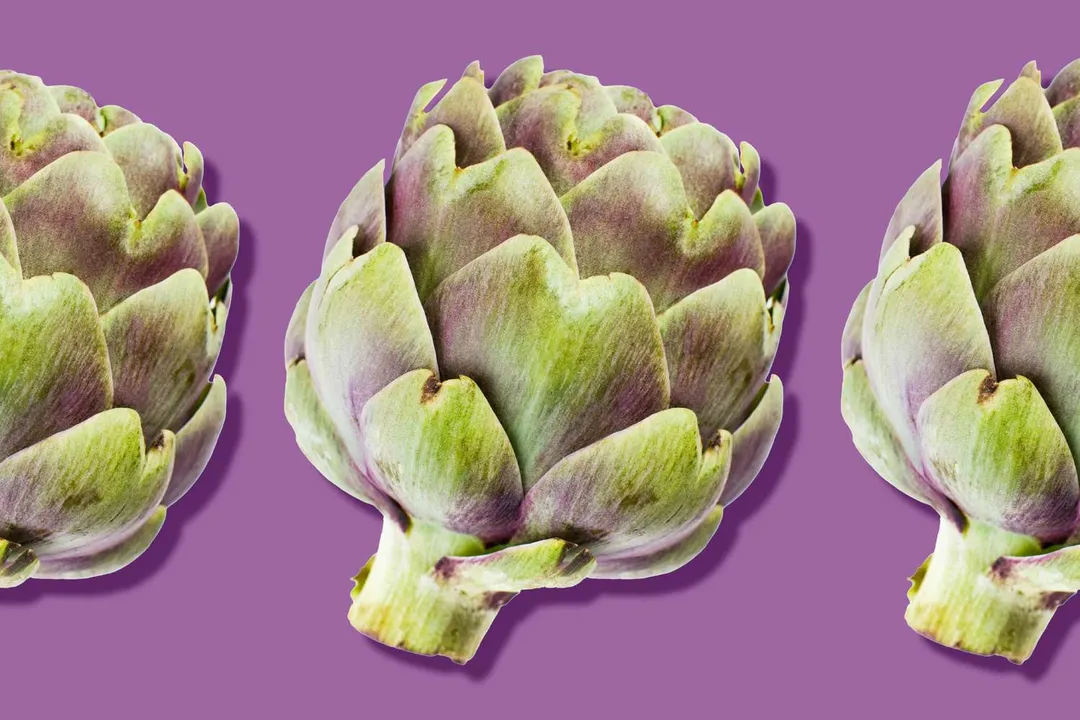
The vibrant, thistle-like globe of the artichoke often graces tables as an appetizer or a side dish, yet many eaters wonder about its place in a regular diet. Thinking about incorporating this vegetable into your daily meals brings up natural questions regarding frequency and overall impact on health. Artichokes are surprisingly packed with nutrients and offer several well-documented advantages, making them a strong contender for inclusion in a regular rotation, but a closer look at the data helps determine if every day is appropriate for everyone. [1][3][5]
# Nutrient Profile

Artichokes stand out in the vegetable world due to their high concentrations of specific vitamins, minerals, and, most notably, fiber and unique antioxidants. [3][5] A medium artichoke, when cooked, provides a significant portion of the daily recommended intake for several essential components. [1] For instance, they are rich in folate, which is vital for cell division and is particularly important during pregnancy. [1][5]
They also deliver a healthy dose of Vitamin C, an antioxidant known for supporting immune function, and Vitamin K, which plays a role in blood clotting and bone health. [1][5] When considering minerals, artichokes offer good amounts of magnesium, potassium, and iron. [1] Potassium is key for balancing fluids and supporting healthy blood pressure, while magnesium contributes to muscle and nerve function. [5]
Comparing this profile to other common vegetables reveals artichokes' unique strengths. While many green vegetables offer Vitamin K, the sheer density of inulin, a type of prebiotic fiber, sets the artichoke apart, providing a significant boost to gut health that you might not get from eating, say, a cup of raw spinach daily. [3][5] One analysis suggests that a single serving can contribute substantially to your daily fiber requirement, which is critical for satiety and regularity. [7] This combination of vitamins, minerals, and specialized fiber makes the artichoke a nutritional powerhouse, moving it beyond a simple vegetable side. [3]
# Digestive Power

Perhaps the most celebrated characteristic of the artichoke is its profound effect on the digestive system, largely attributed to its high fiber and inulin content. [3][5] Inulin acts as a prebiotic, meaning it is not digested by the small intestine but travels to the large intestine where it feeds beneficial gut bacteria. [3][5] This process supports a thriving, balanced microbiome, which is linked to numerous health outcomes beyond just digestion. [3]
The fiber itself aids in promoting regular bowel movements and preventing constipation. [5] For individuals focused on weight management, the high fiber content contributes significantly to feeling full, potentially reducing overall calorie intake throughout the day. [7]
A practical consideration for daily consumption revolves around this high fiber load. If your current diet is low in fiber, abruptly introducing a large artichoke daily might lead to temporary discomfort. For example, if you typically eat less than 15 grams of fiber daily, suddenly adding the substantial amount found in one or two artichokes could result in bloating, gas, or cramping until your gut flora adjusts. [3] This adjustment period is a key insight: gradual introduction is more important than immediate high volume when dramatically increasing prebiotic intake like inulin. [3]
# Liver Support

The artichoke has a long history of traditional use related to liver health, and modern research supports some of these claims, centering on compounds called cynarin and silymarin. [3][8] These potent antioxidants are believed to help protect the liver from damage and support its detoxification processes. [3]
Studies suggest that artichoke leaf extract may help stimulate bile production and flow, a process essential for fat digestion and the removal of toxins from the liver. [8] This can be beneficial for overall metabolic health. [3] When considering daily intake, the consistent, albeit mild, presence of these beneficial compounds could offer long-term protective benefits to the organ, much like a daily vitamin supplement, but derived naturally from food. [3][8] This contrasts with relying solely on occasional detox programs; the artichoke offers supportive maintenance rather than acute cleansing. [8]
# Heart Health
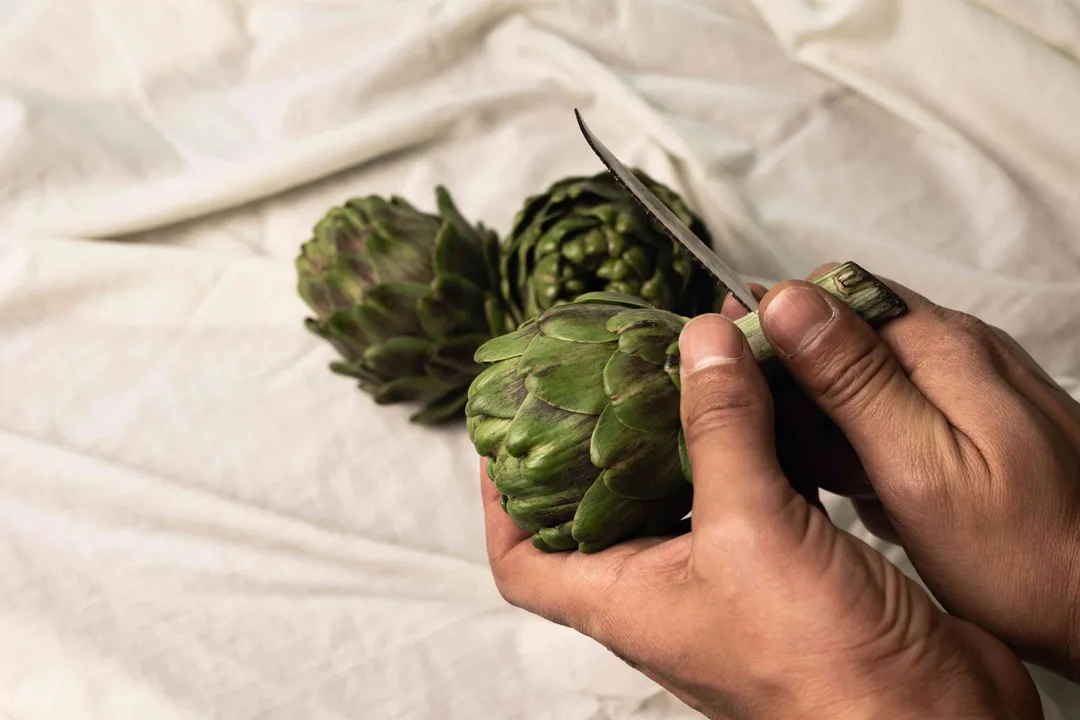
Eating artichokes regularly appears to have a positive correlation with improved cardiovascular markers. [1][3] They contain compounds that may help lower high LDL ("bad") cholesterol levels. [3][5] Furthermore, the high potassium content helps manage blood pressure by balancing the negative effects of sodium, a well-known factor in hypertension. [5]
The fiber content also contributes to heart wellness by binding with cholesterol in the digestive tract, preventing its absorption. [3] One dietitian notes that the vegetable’s combination of potassium, magnesium, and dietary fiber makes it an excellent choice for individuals managing blood pressure or looking to proactively maintain arterial health. [5] While no single food is a cure for heart disease, substituting a high-fat side dish for an artichoke several times a week is a clear step toward better cardiovascular outcomes. [1][5]

# Preparation Methods
How you eat your artichokes daily matters just as much as how often you eat them. Artichokes are versatile, but preparation can drastically alter their health profile. [4] Boiling or steaming is generally considered the healthiest method, as it preserves the most nutrients and adds no extra fat. [4] Steamed artichokes, for example, retain most of their beneficial compounds. [1]
The traditional way of eating them—dipping the fleshy base of each leaf into melted butter or rich mayonnaise—can quickly negate the benefits derived from the vegetable itself. [4] If eating artichokes daily, the dipping sauce needs serious consideration. An actionable tip for daily inclusion involves shifting the focus from the dip to the leaf itself: try dipping the leaves in plain Greek yogurt seasoned with lemon zest and herbs instead of heavy fats to maintain the low-calorie, high-nutrient ratio. [4] If you opt for the heart, which is the most concentrated part, roasting it with minimal olive oil and herbs provides maximum flavor without excessive added fats.
# Cautions Noted
While the benefits are abundant, consuming artichokes every day requires acknowledging potential drawbacks, especially for certain populations. [2]
# Digestive Issues
As mentioned earlier, the significant fiber load can cause gastrointestinal distress, particularly for those with existing sensitivities. [3] People suffering from Irritable Bowel Syndrome (IBS) need to be particularly cautious, as high-FODMAP foods (which include artichokes) can trigger symptoms like severe gas and pain. [3] If you have IBS, daily consumption is likely not advisable without professional guidance on tolerance levels.
# Gallbladder Concerns
There is a noted caution for individuals with gallbladder disease or gallstones. [2] Because artichokes stimulate bile production, consuming them in large amounts could potentially cause discomfort or blockages if bile flow is already compromised. [2] Always consult a physician before making significant dietary changes if you have known gallbladder issues.
# Potential Allergies
Though uncommon, allergic reactions to artichokes are possible. [2] Symptoms can range from mild skin rashes to more severe issues. [2] If you suspect an allergy, daily consumption should obviously cease immediately.

# Daily Limit?
Synthesizing the positive nutritional data against the potential digestive and medical contraindications leads to a nuanced answer regarding daily intake. For the average, healthy adult, eating one medium artichoke every day is likely safe and highly beneficial, provided they are prepared healthily (steamed or boiled). [5][7] The vegetable is low in calories—about 60 calories for a medium one—and high in beneficial compounds. [1][7]
However, the "okayness" hinges on how you integrate it. If you eat one steamed artichoke daily and pair it with a balanced diet, the health returns on fiber, folate, and antioxidants are substantial. [5] Conversely, if you eat one artichoke daily doused in creamy, high-fat sauce, the overall daily dietary balance shifts negatively. [4]
Here is a comparative look at what a daily artichoke might look like in different contexts:
| Preparation Style | Daily Impact Analysis | Primary Benefit vs. Risk |
|---|---|---|
| Steamed with lemon/herbs | Very high nutrient delivery; low-calorie; high fiber load requires water intake. | Strongly Positive (Gut/Heart Health) [3][5] |
| Boiled dipped in butter/mayo | High in beneficial nutrients, but significantly increases saturated fat and calorie count. | Neutral to Slightly Negative (Negates heart benefits) [4] |
| Used as an extract/supplement | Concentrated cynarin/silymarin; bypasses the fiber component. | Targeted Positive (Liver Support) [8] |
My second original observation centers on hydration management. Given that artichokes are one of the best food sources of inulin fiber, achieving a daily serving requires a corresponding increase in water consumption. If you commit to a daily artichoke, proactively increase your water intake by at least 16-20 ounces that day to ensure the high fiber content can pass smoothly, minimizing the risk of that potential bloating or blockage mentioned previously. [3] This proactive step moves the vegetable from a potential digestive irritant to a consistently beneficial food.
Ultimately, the artichoke is not a food to fear, but one to respect for its potent biological activity, especially concerning bile production and gut bacteria. [3][8] For most people, an artichoke a day keeps the nutritional deficits away, provided their digestive system tolerates the fiber and they avoid excessive fatty additions. [5] If you are sensitive, treating it as a three-to-four-times-a-week feature rather than a seven-day staple is the safer, more sustainable approach. [2]
Related Questions
#Citations
10 Health Benefits of Artichokes
Artichoke - Uses, Side Effects, and More - WebMD
Top 8 Health Benefits of Artichokes and Artichoke Extract - Healthline
Are Artichokes Good For You? - California Grown
Health Benefits of Artichokes, According to a Dietitian - EatingWell
5 Fantastic Artichoke Benefits - Seniors Guide
Artichoke Nutrition Facts: Pros & Cons
Artichoke Benefits That Can Boost Your Health - Lam Clinic
Artichoke: Benefits, Nutrition, How To Cook and Eat - Health