When eating a wild pigeon, what dual exposure pathway increases the criticality of the handling phase compared to eating squab?
Answer
Unknown internal load from diet and high external load from environmental contact
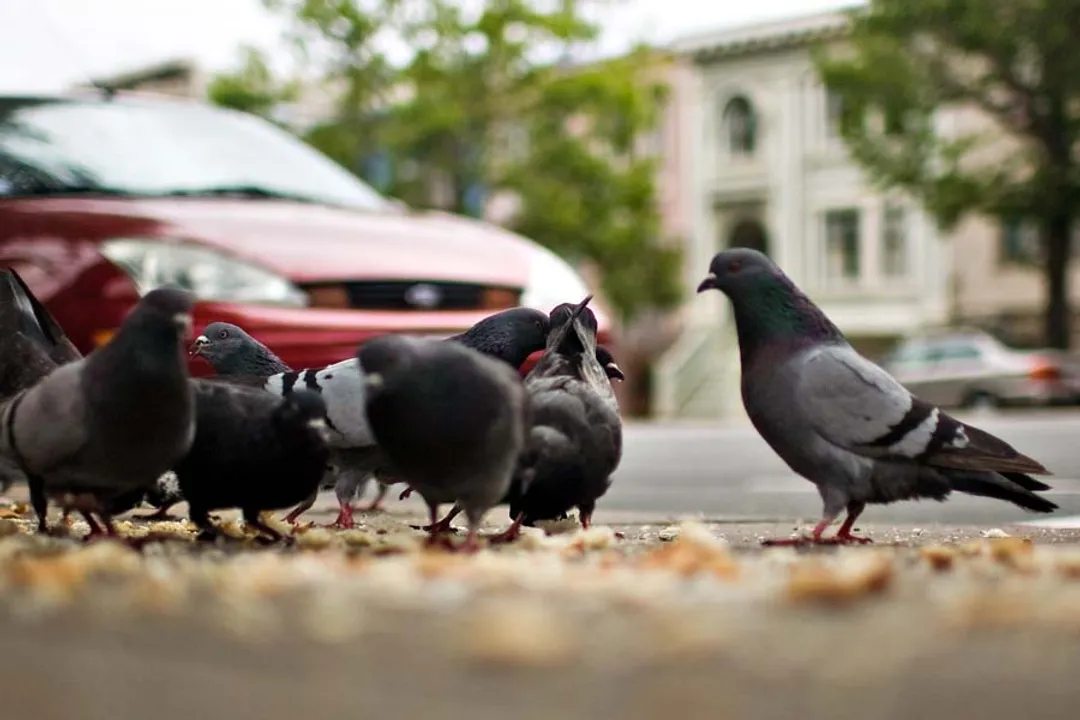
The risk profile for consuming a wild pigeon involves a dual pathway that is largely absent when eating farm-raised squab. Firstly, the wild bird carries an unknown internal microbiological load accumulated from its uncontrolled diet, which may include discarded urban waste. Secondly, it carries a high external load due to roosting habits on ledges frequented by various species. Because of this dual exposure, the handling phase—including field dressing and preventing cross-contamination in the kitchen—becomes significantly more critical for a wild bird than for a commercially processed one.
Related Questions
What specific term denotes young domestic pigeons raised solely for meat production?Which bacteria is explicitly linked to city pigeons as a potential human contaminant carried in their droppings?What respiratory condition is associated with the pigeon contaminant Histoplasma capsulatum?What factor causes the safety profile of eating pigeon meat to shift dramatically based on origin?Exposure risks involving which agent can potentially lead to psittacosis in humans?What handling rigor should be applied to a harvested wild pigeon carcass when preparing it for consumption?What creates the significant psychological barrier preventing people from eating pigeon meat, even if it is farm-raised?When eating a wild pigeon, what dual exposure pathway increases the criticality of the handling phase compared to eating squab?Besides bacteria like E. coli and Salmonella, what other category of microorganism is linked to pigeon droppings?What variable, introduced by the diet of urban detritus, is eliminated when consuming birds fed formulated feed like squab?