What happens if we eat cucumber daily?

Thinking about sinking your teeth into an entire cucumber every single day might sound wonderfully refreshing, especially when you see them trending across social media feeds. This crisp, cool staple, botanically classified as a fruit but used universally as a vegetable, has a long history, originating in the Himalayas and being cultivated for at least 2,500 years, even appearing in ancient texts like the Old Testament. So, what actually happens to your body when you make this humble green addition a daily fixture? The answer involves a fascinating balance between exceptional hydration, low caloric impact, and a few specific caveats related to plant compounds and existing health conditions.
# Core Composition

The most dominant feature of the cucumber is its water content. Cucumbers are remarkably composed of approximately 95% to 96% water. This sheer volume makes them a powerhouse for maintaining fluid balance, which is critical for regulating body temperature, keeping joints lubricated, delivering nutrients, and ensuring proper organ function. For someone trying to hit their daily fluid targets, consuming food like cucumber can contribute a significant portion, potentially up to 40% of total daily water intake.
Nutritionally, cucumbers are often praised for what they lack as much as what they contain. They are incredibly low in calories, with an entire 11-ounce cucumber containing only about 45 calories, and a standard one-cup serving registering around 16 calories. They also contain virtually no fat, cholesterol, or sodium when eaten raw.
However, while they are refreshing, it is important to note that an expert suggests they are "not supernutritious" when considering the full spectrum of essential vitamins compared to other vegetables. That said, they still deliver several important micronutrients, particularly when consumed unpeeled. The most predominant vitamin they offer is Vitamin K, which is essential for blood clotting. A whole, unpeeled cucumber might supply roughly 40% to 62% of an adult's daily recommended intake of Vitamin K, depending on the source's serving size calculation. They also contribute smaller, yet beneficial, amounts of Vitamin C, Vitamin A, magnesium, potassium, and manganese. To capture the maximum nutritional density, leaving the skin on is recommended, as peeling reduces the intake of fiber and certain vitamins and minerals.
# Hydration and Weight
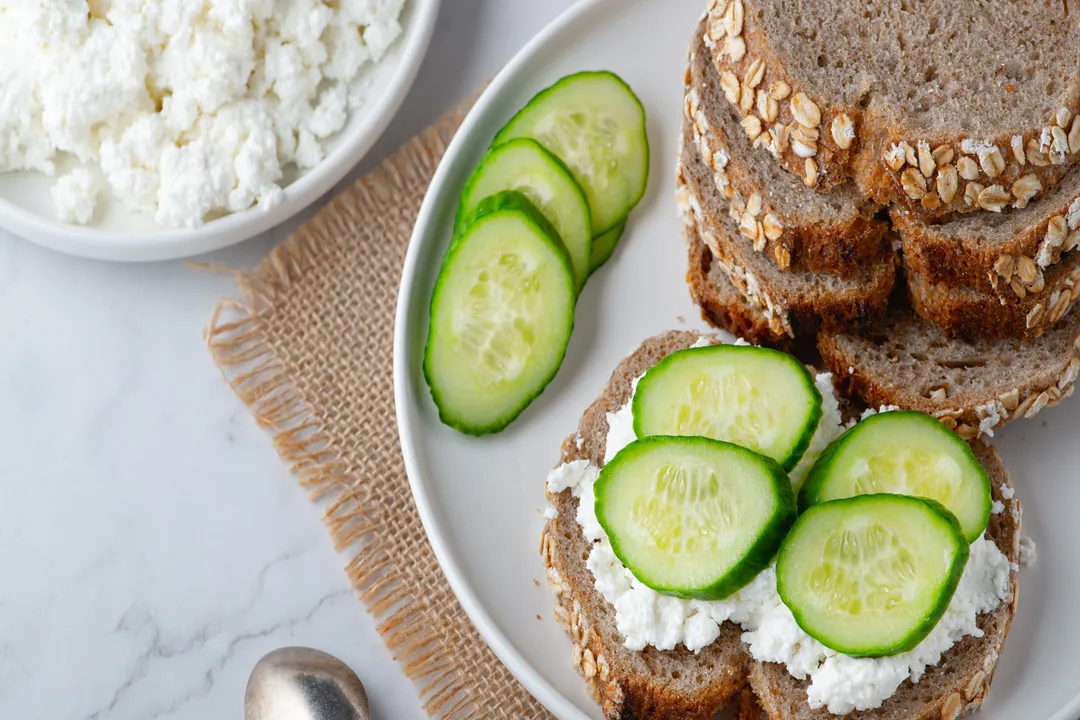
Given that cucumbers are mostly water and low in calories, their impact on hydration and weight management is perhaps the most significant benefit of daily consumption.
In summer months, when heat increases fluid loss through sweat, daily cucumber intake helps restore fluid levels, which can reduce the chances of heatstroke, fatigue, and dizziness. Because they are low in calories, you can consume large volumes without dramatically increasing your caloric load. Furthermore, studies have shown that eating low-calorie, high-water-content foods is associated with a significant decrease in overall body weight. For someone aiming to manage their weight, cucumbers serve as an excellent substitute for higher-calorie snack options, adding crunch and flavor without the associated caloric penalty.
When considering how to eat them for weight control, remember that the high water and fiber content helps promote satiety, keeping you feeling fuller for longer periods, thereby reducing the urge to overeat.

# Internal Protection

Beyond simple hydration, the compounds within cucumbers offer protective qualities for several body systems.
# Antioxidant Activity
Cucumbers house beneficial plant compounds that act as antioxidants. These molecules work to block oxidation—the process that creates free radicals, which are highly reactive atoms linked to chronic illnesses such as cancer, heart disease, and autoimmune disorders. Specifically, cucumbers contain flavonoids and tannins, which are known to be effective at neutralizing these harmful free radicals. They also contain lignans, which are polyphenols that research has suggested may reduce the risk of certain forms of breast cancer and lower all-cause mortality in post-menopausal individuals.
# Heart and Sugar Balance
The presence of flavonoids also benefits cardiovascular health by helping to prevent plaque buildup in the arteries (antiatherogenic) and preventing blood clots (antithrombotic). Furthermore, cucumbers contain potassium and magnesium, minerals generally helpful for regulating blood pressure. However, it is worth noting that while beneficial, the actual potassium content in a standard serving may be relatively small compared to leafy greens like kale, suggesting one cannot rely solely on cucumbers for major mineral boosts.
For individuals managing blood sugar, animal and test-tube studies have indicated that cucumbers may possess antihyperglycemic properties—the ability to lower glucose levels in the blood. One study in mice even showed that cucumber peel extract reversed diabetes-associated changes. Nevertheless, this evidence is currently limited to laboratory and animal models, meaning definitive proof of this effect in humans is still pending.
# Digestive Effects
The daily consumption of cucumbers presents a dual effect on the digestive system, largely depending on the individual’s sensitivity and the specific part of the cucumber being eaten.
# Promoting Smooth Transit
On the positive side, the high water and fiber content work together to support digestion and prevent issues like dehydration-induced constipation. The soluble fiber found in cucumbers, known as pectin, is particularly helpful as it can increase the frequency of bowel movements and feed beneficial gut bacteria, which improves overall digestive health. For many people, eating cucumbers daily can lead to smoother, more regular bowel movements.
# The Cucurbitacin Factor
Conversely, cucumbers can be a source of digestive upset for some due to a chemical compound called cucurbitacin. This compound is responsible for any bitterness detected and can lead to gas production and burping. Crucially, most of this compound tends to concentrate in the cucumber’s skin. If you already have a sensitive digestive system, conditions like Irritable Bowel Syndrome (IBS), or are prone to bloating, the introduction of cucurbitacin could exacerbate symptoms.
If you love the crunch but suffer the consequences, there is a helpful distinction in the market: breeders have developed "burpless" cucumber cultivars specifically engineered to contain significantly reduced or no cucurbitacin. A practical middle-ground approach for those sensitive to the skin is to try partial peeling—removing only the thickest outer layer while leaving some of the inner flesh attached. This method can help mitigate exposure to cucurbitacin while still retaining much of the fiber and nutrients located just beneath the surface.

# Cautions and Interactions
While generally safe when eaten in food amounts, incorporating cucumbers daily requires awareness of potential negative interactions, especially if consuming concentrated forms or if you have pre-existing conditions.
# Medication Sensitivity
One serious consideration involves Vitamin K and blood thinners. Individuals taking anticoagulant medications, such as warfarin (Jantoven), must maintain a consistent intake of Vitamin K, as high amounts in foods like cucumber can potentially interfere with the medication's effectiveness. Similarly, because cucumber seed may lower blood sugar, combining its consumption with antidiabetes drugs could cause blood sugar levels to drop too low, necessitating careful monitoring for diabetic patients. For anyone scheduled for surgery, it is specifically advised to stop consuming cucumber seed at least two weeks beforehand to prevent interference with blood sugar control during the procedure.
# Allergies and Pickling
People who suffer from hay fever (allergic rhinitis) may experience Oral Allergy Syndrome (OAS) after eating raw cucumber. This happens because the proteins in the cucumber can confuse the immune system if they are similar to pollen proteins, leading to a cross-reactive allergic response. Cross-reactivity can also occur with related items like kiwi, melon, banana, and latex.
If your preference leans toward pickles, remember that the pickling process introduces a significant amount of sodium. A single large pickle can easily contain over 1,000 milligrams of sodium, which is a substantial portion of the recommended daily limit of 1,500 to 2,300 mg suggested for adults. Furthermore, those with gastroesophageal reflux disease (GERD) might find that pickled cucumbers intensify symptoms due to the acidity introduced by the vinegar in the brine, even though plain cucumbers might not cause an issue.
# Incorporating Daily Intake
Cucumbers are celebrated for their versatility, pairing well with mild, crisp flavors in everything from grain bowls to sandwiches. When consuming them fresh, be mindful of what accompanies them; heavy salad dressings or mayonnaise can quickly negate the low-calorie benefit.
If you opt for cucumber juice, the timing can be tailored to your goals. For general digestive support, drinking it in the morning with breakfast is suggested. If the goal is weight loss, one approach involves regularly drinking the juice mixed with celery, lemon, ginger, and a small amount of honey for about two to three months, potentially consuming it 30 minutes before bedtime. However, whether eating the whole fruit or drinking the juice, a consistent recommendation remains: listen to your body and adjust your schedule or quantity to suit your individual needs.
Making cucumber a daily habit, particularly when consumed unpeeled, is an easy way to boost your intake of water and key nutrients like Vitamin K. While they may not be a one-stop source for all your nutritional requirements, their cooling effect, low energy density, and documented properties supporting hydration and regularity make them a sound, refreshing choice for everyday wellness.
Related Questions
#Citations
What Happens to Your Body When You Eat Cucumbers Regularly
6 Health Benefits of Eating Cucumber - Healthline
7 Health Benefits of Eating Cucumber - Blog |
Cucumbers are trendy, but how healthy are they?
Cucumber - Uses, Side Effects, and More - WebMD
Benefits Of Eating Cucumber Daily In Summer - Sahyadri Hospitals
Should You Drink Cucumber Juice Every Day? - Vinmec
Why Cucumbers Might Upset Your Stomach or Cause Gas