What happens if we eat coriander daily?
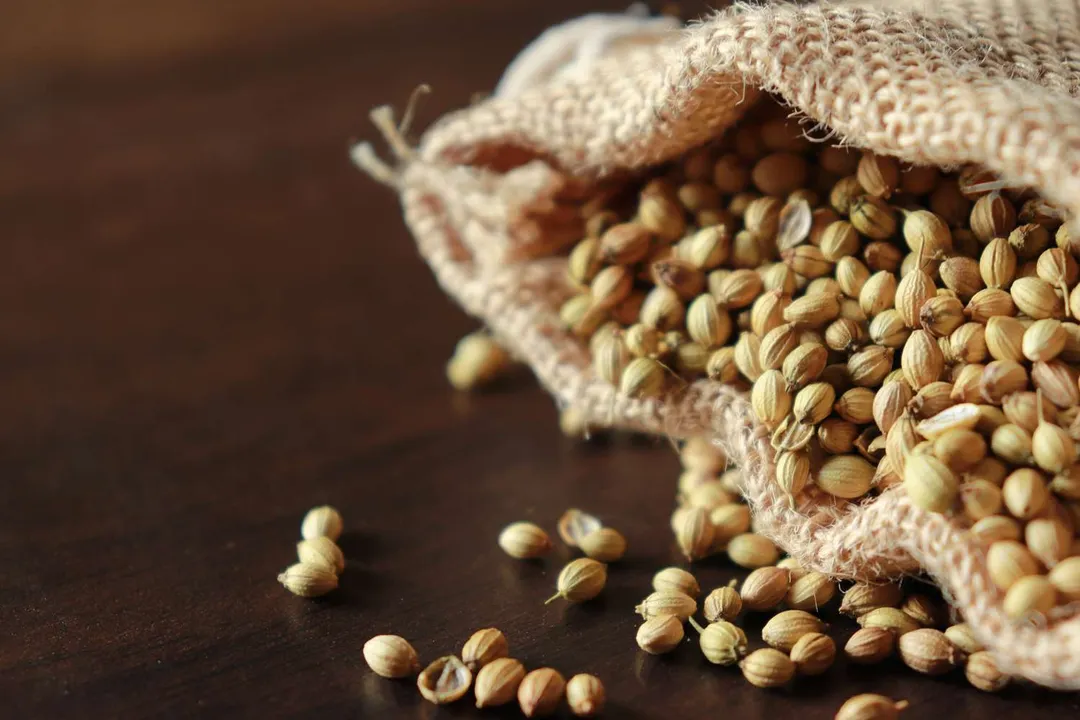
The decision to incorporate any single food item into your daily diet is often met with curiosity about its long-term effects, and coriander—known as cilantro in some regions—is no exception. This herb, cherished globally for its bright, polarizing flavor, packs a surprising nutritional punch that merits closer inspection when considering routine consumption. [1][8] Whether you are sprinkling the fresh leaves over tacos or utilizing the dried seeds in curries, understanding what happens when Coriandrum sativum becomes a daily staple reveals benefits spanning from metabolic support to antioxidant defense. [5][6]
# Nutrient Profile
The value proposition of eating coriander daily begins with its micronutrient density. The fresh leaves are quite good for you, offering notable amounts of Vitamin K, which is essential for blood clotting and bone health. [1][8] Furthermore, they supply Vitamin A, Vitamin C, and various B vitamins. [1] Beyond the vitamins, coriander seeds and leaves deliver important minerals, including potassium, manganese, magnesium, and iron. [1]
It is helpful to recognize that coriander and cilantro are parts of the same plant; the leaves are typically referred to as cilantro, while the seeds are called coriander. [8] This means that when you consume the herb daily, you are getting a diverse package of compounds. For instance, the seeds, often consumed less frequently than the leaves in many cuisines, contain potent antioxidants like terpenoids, niacin, thiamine, and ascorbic acid. [2][5] These compounds work together to neutralize free radicals in the body. [5]
# Heart Support
Daily intake of coriander shows promise in cardiovascular health management, largely due to its ability to influence lipid profiles and potentially blood pressure. [1][6] Studies suggest that consuming coriander may help lower levels of harmful LDL cholesterol and triglycerides while potentially raising beneficial HDL cholesterol. [1] This lipid-lowering effect is a significant draw for those monitoring heart health markers. [6]
When considering the seed form, particularly through the preparation of coriander water—where seeds are soaked overnight—the benefits might become more pronounced due to the concentration of compounds released into the water. [2] This preparation is sometimes touted specifically for its positive effect on cholesterol levels. [2] If you are someone who relies on statins or other cholesterol-lowering medications, a noticeable daily dietary change like adding coriander might warrant a conversation with your physician, as dietary interventions can sometimes complement or amplify pharmaceutical effects. [7]

# Digestive Aid
Coriander has a long history in traditional medicine for soothing digestive complaints, and integrating it daily can support general gut comfort. [6] Both the leaves and seeds possess compounds that can stimulate digestive enzyme secretion, which aids in breaking down food more effectively. [6]
A specific daily practice gaining traction involves drinking coriander water. Soaking the seeds in water overnight and then consuming the liquid in the morning is often recommended to improve digestion and soothe stomach issues. [2] This preparation method allows for the gentle extraction of beneficial oils and soluble compounds without the heavy fiber load of eating large quantities of raw leaves. [2] For individuals prone to bloating or mild indigestion after meals, adding a small amount of fresh coriander to the meal itself can act as a natural digestive adjunct. [6]
# Blood Sugar Control
One area where daily coriander consumption generates considerable interest is its potential impact on blood sugar regulation. Some research indicates that coriander extracts can help lower blood sugar levels by stimulating insulin secretion or increasing the uptake of sugar by cells. [1][6] This mechanism is similar to how some prescribed medications work, making it an appealing addition for individuals managing pre-diabetes or type 2 diabetes. [1]
However, this mechanism requires careful consideration. If someone is already taking medication to manage blood sugar, adding a reliable daily source of coriander could theoretically cause blood glucose to drop too low, resulting in hypoglycemia. [7] This is where consistency matters: if you are tracking blood sugar daily, you can observe your body’s response. A practical approach for those monitoring glucose is to incorporate coriander into one meal consistently, perhaps a morning smoothie with the leaves or the aforementioned coriander water, and then test blood sugar at the usual intervals to establish a baseline reaction over a week or two. [3] This observation helps personalize the understanding of its effect, as nutrient absorption can vary greatly from person to person. [3]

# Heavy Metal Considerations
A common claim associated with coriander, particularly in alternative health circles, relates to its ability to chelate or remove heavy metals from the body. [1] While the plant does contain various compounds that might theoretically bind to metals, it is important to note that there is limited direct evidence confirming that consuming coriander alone effectively pulls heavy metals like mercury out of the body in vivo. [1]
Many sources on chelation often refer to the use of coriander in conjunction with other compounds, such as chlorella, to achieve significant detoxification effects, rather than citing coriander as a standalone heavy metal antidote. [1] Therefore, while coriander is rich in antioxidants that help protect cells from the damage heavy metals can cause, relying on it as the primary method for detoxification might be an overstatement of its capabilities based on current scientific backing. [1] It functions better as a supportive nutritional element than a targeted pharmaceutical treatment for metal poisoning.
# Potential Side Effects
While coriander is generally recognized as safe (GRAS) when consumed in amounts typical for food flavoring, eating it daily and in large quantities introduces a slightly different risk profile. [7] For most people, daily consumption in reasonable amounts—such as garnishing several meals or drinking one cup of seed water—presents no issue. [3]
However, some individuals might experience adverse reactions. These can range from mild gastrointestinal upset, like nausea or irritation of the stomach lining, to allergic skin reactions, such as dermatitis, particularly with prolonged, high exposure. [7] More seriously, because of its blood sugar and blood pressure-lowering properties, excessive daily intake could potentially interact negatively with medications designed for these conditions. [7] If you are on blood thinners like warfarin, for example, the Vitamin K content could theoretically interfere with the medication’s efficacy, although significant interaction usually requires much higher, supplement-level doses rather than typical culinary usage. [7]

# Limits and Dosage
Figuring out the precise "safe" daily amount is difficult because it depends heavily on which part of the plant you consume and the individual’s baseline health status. [3] On online forums, general consensus leans toward moderate use being perfectly acceptable, often suggesting that if you enjoy it, you should continue, provided you don't notice any negative side effects. [3]
When moving from occasional use to daily incorporation, think about quantity. A standard serving of fresh cilantro might be a quarter cup chopped, while a daily dose of coriander seed tea might involve one teaspoon of seeds steeped in water. [2] If you are incorporating it daily, try to keep the concentration of the seeds relatively moderate unless you are working with a healthcare provider who monitors your progress. [7]
To maintain variety and ensure you aren't overloading on any single compound, consider rotating how you use it. For example, dedicate Monday, Wednesday, and Friday to coriander water in the morning, and use the fresh leaves liberally on Tuesday, Thursday, and Saturday. On Sunday, perhaps opt for parsley or basil instead. This rotational approach allows you to benefit from coriander's unique profile without creating complete dietary dependence on it. This small adjustment in your routine helps diversify your intake of plant compounds while still making coriander a regular, welcomed feature of your meals. [1][8]
# Culinary Integration
Moving past the health specifics, integrating coriander daily is easiest when you embrace its versatility. The seeds and the leaves offer distinct flavor profiles. Coriander seeds provide a warm, citrusy, slightly sweet note, excellent when toasted and ground for rubs, spice mixes, or steeped for beverages. [2] Fresh cilantro offers a sharp, herbaceous brightness, ideal for finishing savory dishes, making pestos, or flavoring salsas and chutneys. [1]
If you find the taste of fresh cilantro too pungent, which is genetically determined for some individuals, sticking to the seeds or the derived water is a good compromise to still reap the nutritional rewards without the polarizing taste experience. [1][8] When using fresh leaves, remember that their powerful vitamins, like Vitamin C, are heat-sensitive. Therefore, adding them after cooking, as a garnish, preserves their nutritional potency better than long simmering. [1]
Related Questions
#Citations
8 Surprising Health Benefits of Coriander - Healthline
What are the benefits of drinking coriander juice? - Vinmec
How much coriander/cilantro should be eaten daily for heavy metal ...
What are the benefits of coriander in dishes? - Facebook
Coriander - Uses, Side Effects, and More - WebMD
What are the health benefits of eating raw coriander leaves? - Quora
Why Is Cilantro Bad for You? Side Effects and Benefits - MedicineNet
4 Science-Backed Benefits of Coriander (and How to Add It to Your ...
Can I Eat Coriander Every Day?