What is the healthiest squash you can eat?
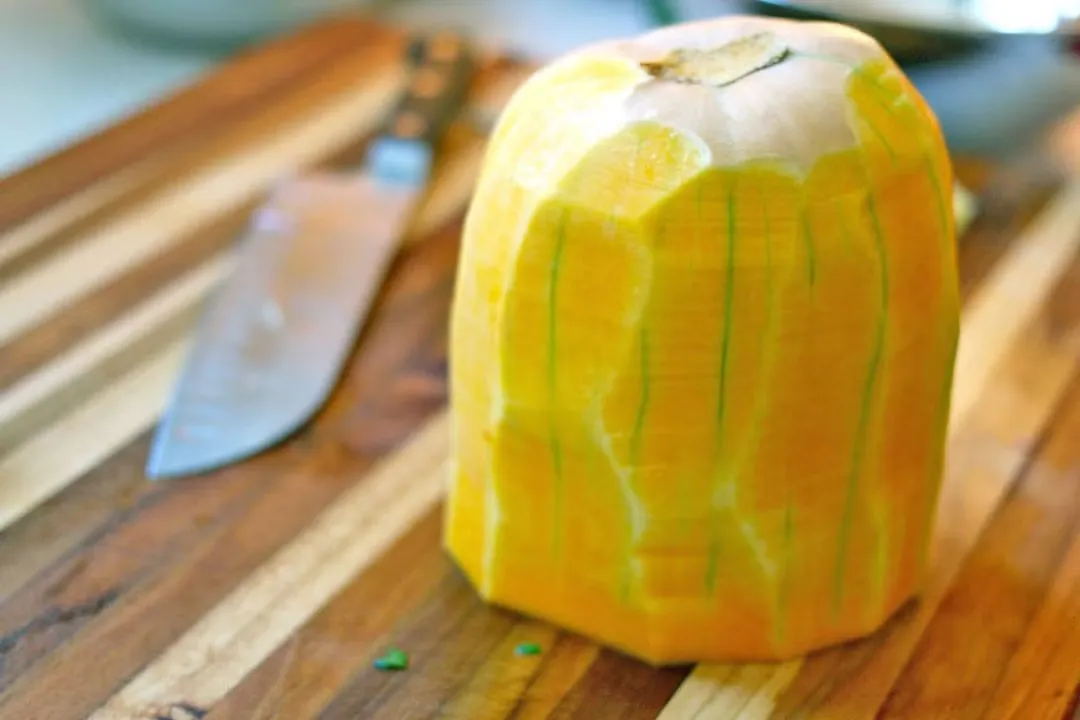
When diving into the world of squash, figuring out which one reigns supreme in the health department isn't as simple as picking a single winner; it often depends on what specific nutritional goal you have in mind. However, when looking at the entire spectrum of vitamins, minerals, and antioxidants, the hard-skinned winter squashes generally outpace their soft-skinned summer cousins. [3][7] These seasonal champions, harvested when mature, boast a more concentrated nutrient profile. [7]
# Winter vs Summer
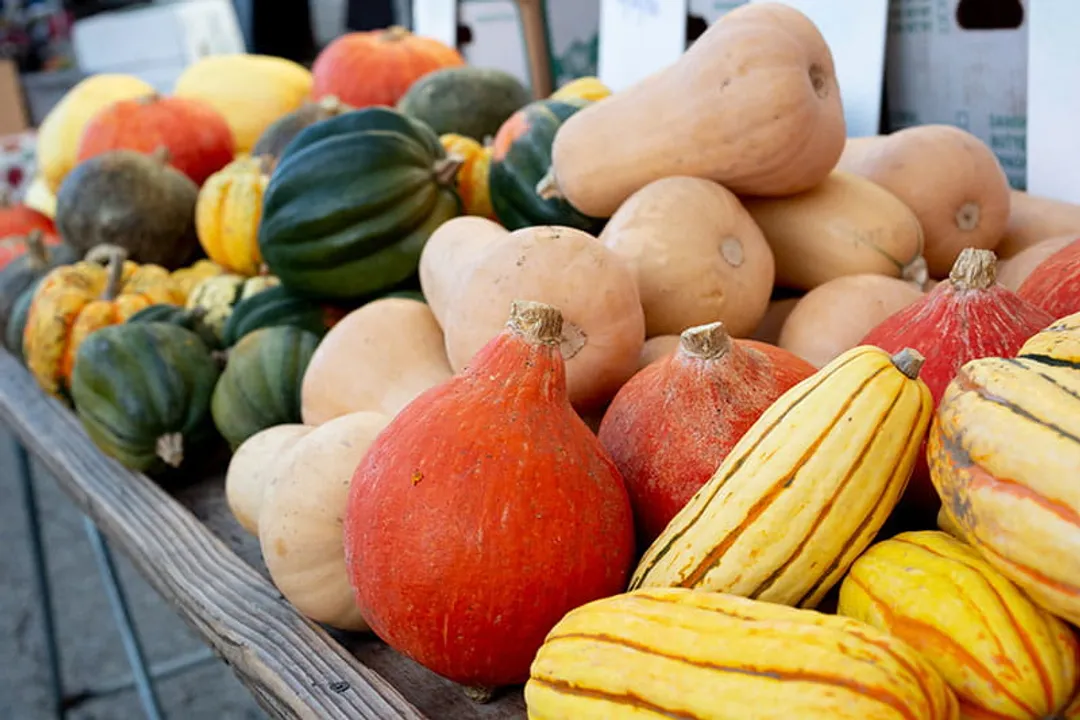
Squash is broadly categorized based on when it is harvested and its physical characteristics. Summer squash, which includes varieties like zucchini and yellow crookneck, has a soft, edible rind and needs to be eaten shortly after picking. [7] Their nutrient content is generally lower compared to their winter counterparts, though they still offer hydration and some minerals. [7]
Winter squash, on the other hand, develops a thick, hard rind that allows for long-term storage, often deep into the colder months. [7] This maturity allows them to accumulate higher levels of vital nutrients, especially the orange-fleshed types rich in beta-carotene, which the body converts into Vitamin A. [3][7] Varieties often lumped into the winter squash category include butternut, acorn, kabocha, and pumpkin. [2][7]
# Butternut Dominance
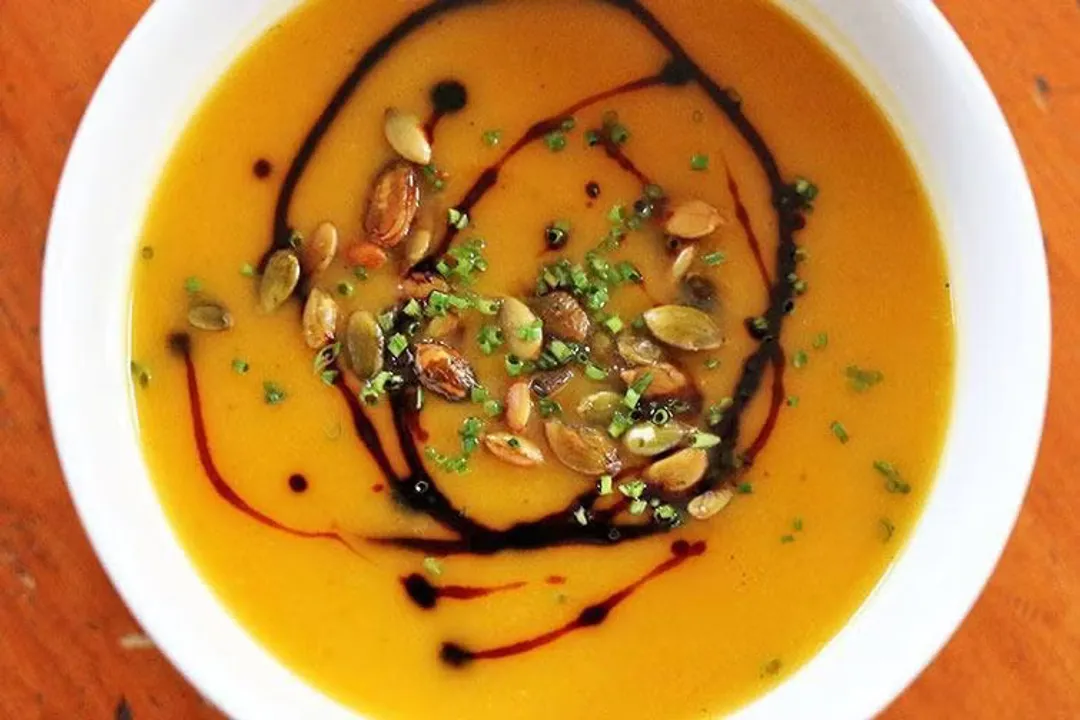
If forced to crown a single champion based on widespread nutrient availability, butternut squash frequently earns top honors. [1] Its signature sweet, nutty flavor makes it a favorite for many cooks, and it’s versatile enough to substitute for starches in many recipes. [10] Nutritionists often point to its extremely high concentration of Vitamin A, derived from its vibrant orange flesh. [1][7]
A single serving can provide a significant percentage of your daily required Vitamin A, which is essential for good vision and immune function. [7] Beyond Vitamin A, butternut squash also contributes meaningfully to your intake of Vitamin C and potassium. [7] It’s a fantastic, lower-calorie base for soups, roasting, or even blending into smoothies for an invisible nutrient boost. [10]

# Acorn Power
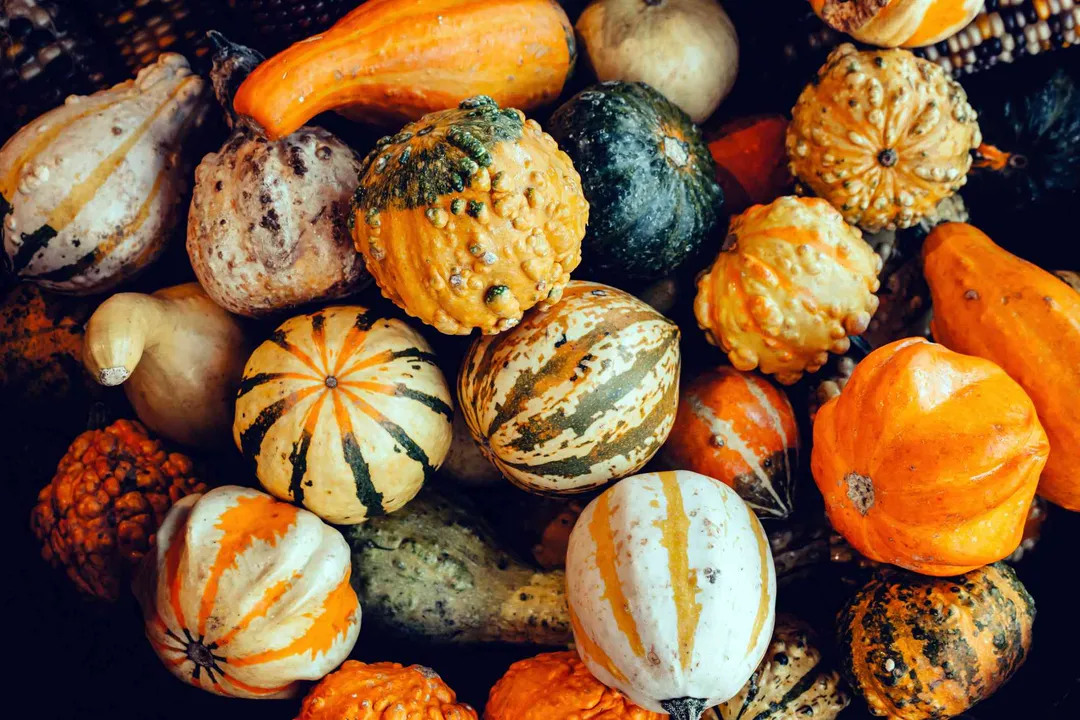
Acorn squash presents a very strong case, often trading blows with butternut depending on the specific metric you prioritize. [1][3] It is notably rich in Vitamin C, an important antioxidant that supports the immune system, and also provides a solid dose of Vitamin A. [1][3] Furthermore, acorn squash is an excellent source of dietary fiber, helping with digestive regularity. [3]
While butternut might edge it out slightly in sheer Vitamin A concentration, acorn squash offers a commendable balance across several key micronutrients, making it a nutritional all-rounder. [3] Its characteristic ridges and dark green skin signal a dense, satisfying texture when baked.
# Spaghetti Texture
Shifting focus from sheer micronutrient density to functional benefits, spaghetti squash carves out its own healthy niche. [2] While its Vitamin A content doesn't generally reach the soaring levels found in the deep orange squashes, it excels in providing texture while remaining relatively low in calories. [2] Its flesh separates into spaghetti-like strands when cooked, making it an incredibly popular, low-carbohydrate alternative to traditional pasta. [2]
If you are looking to maximize your vegetable intake within a meal while keeping net carbohydrates lower, spaghetti squash is an intelligent choice. If your primary goal is to maximize intake of fat-soluble Vitamin A, you should lean toward butternut or pumpkin. [7] This highlights how the "healthiest" choice can shift based on immediate dietary context.
# Key Nutrient Comparison
To better visualize the differences between these popular choices, examining a few key areas helps illustrate where each variety shines. Keep in mind that exact values can vary based on ripeness, storage, and cooking method. [5]
| Squash Variety | Primary Strength | Key Nutrients | Best For |
|---|---|---|---|
| Butternut | Vitamin A (Beta-Carotene) | High A, Good C, Potassium | Boosting antioxidant intake [1][7] |
| Acorn | Vitamin C and Fiber | High A & C, Good Fiber | Immune support and digestive health [3] |
| Spaghetti | Texture/Low Calorie | Moderate Fiber, Lower A | Pasta substitute, volume eating [2] |
| Pumpkin | Vitamin A | Very High A | General wellness, high Vitamin A needs [7] |
When considering these, notice that the deep orange and yellow varieties (Butternut, Pumpkin) are your best bets for maximizing Vitamin A intake because they contain high levels of beta-carotene. [7]
# Selecting Peak Produce
Knowing which squash is healthiest is only half the battle; ensuring you select a high-quality specimen at the store or market is critical, as poor selection can impact both flavor and nutrient retention. [5] Always handle squash gently, as bruising can lead to premature spoilage. [5]
When choosing any hard-skinned squash, look for a dense, heavy feel relative to its size, indicating it is full of moisture and nutrients. [5] The skin should be firm, unblemished, and uniformly colored for that variety—avoid squash with soft spots, dark mold, or sunken areas. [5] A crucial indicator is the stem: it should be hard and dry. [5] If the stem is green or soft, the squash might have been picked too early, potentially lowering its final nutrient maturity, or it may have been exposed to moisture that encourages decay. [5] For a variety like spaghetti squash, you want a pale, uniform yellow color rather than green patches. [5]
# Cooking Healthfully
The way you prepare squash has a surprising impact on how many of those hard-won nutrients actually make it onto your plate. Since many of the beneficial compounds, like Vitamin C, are water-soluble, excessive boiling can cause them to leach out into the cooking water, which is then usually discarded. [9]
Roasting or baking your squash is generally the preferred method for retaining the highest concentration of vitamins and minerals. [9] Furthermore, incorporating a small amount of healthy fat into the preparation of orange-fleshed squash can significantly boost your body’s absorption of beta-carotene. [7] Think of it this way: while the squash is already packed with Vitamin A precursors, a drizzle of olive oil or a bit of avocado oil during roasting helps your digestive system unlock that nutrition more effectively, making the vibrant color an indicator of nutritional opportunity. [7] This synergy between fat and fat-soluble vitamins is a key concept when maximizing nutrient uptake from plant sources.
# Beyond the Big Three
While butternut, acorn, and spaghetti often dominate the conversation, there are other nutritionally dense options worth noting. Kabocha squash, sometimes called Japanese pumpkin, is extremely popular in Asian cuisine and is dense in Vitamin A and C. [2][7] It tends to be drier and sweeter than butternut when cooked. [2]
Hubbard squash is another massive contender, often recognized for being high in fiber and extremely rich in Vitamin A. [2] If you find a smaller, manageable Hubbard, it can be an excellent, nutrient-dense addition to your fall and winter diet. [2]
Ultimately, the healthiest squash you can eat is the one that you enjoy enough to eat frequently and in large enough quantities to reap the benefits, whether that means using acorn squash for its Vitamin C boost or relying on spaghetti squash to increase vegetable volume in your meals. [2][3] Variety remains the best strategy for ensuring a broad intake of different micronutrients across the season.
Related Questions
#Citations
5 Healthiest Fall and Winter Squash Varieties, According to RDs
15 Types of Squash A-Z + Nutrition Benefits - Desiree Nielsen
10 Healthiest Winter Squash Varieties Packed With Essential Vitamins
Popular and Healthy Varieties of Squash - Facebook
Here's How to Pick the Best Squash to Eat - Isabel Smith Nutrition
Warm up to tasty and nutritious winter squash
Winter Squash - The Nutrition Source
7 Types of Squash to Try This Season - The Leaf Nutrisystem Blog
Health Benefits of Winter Squash - EatingWell
First time eating butternut squash, ever. What do I need to ... - Reddit