Who should not eat ginger root?
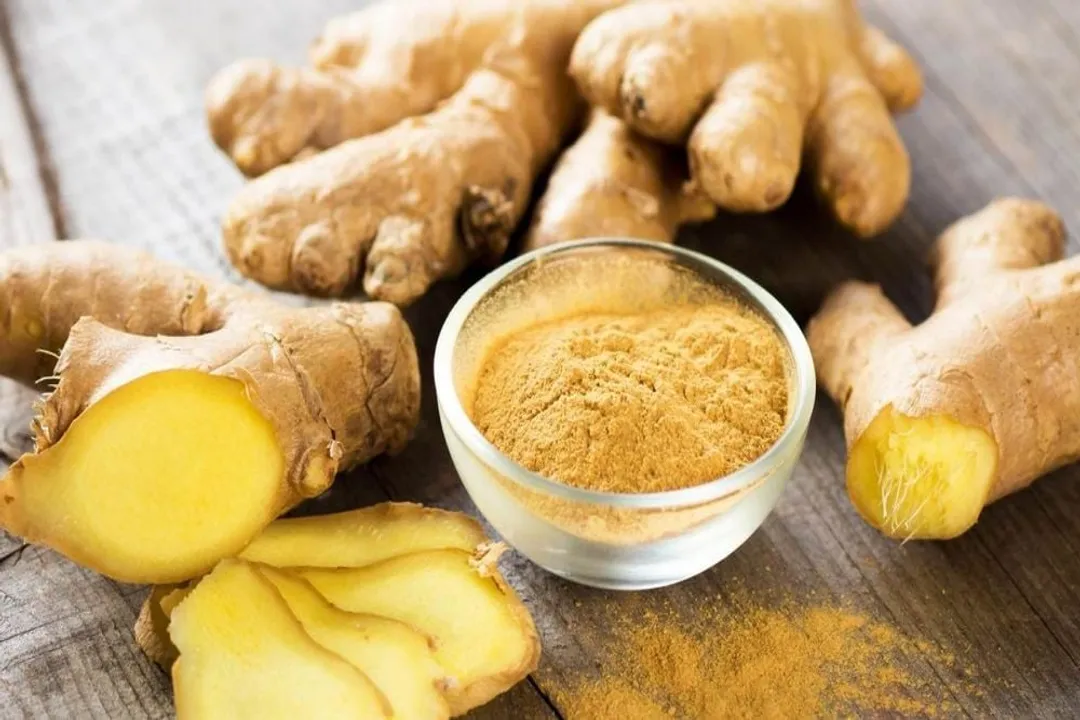
Ginger root, a warming spice found in pantries worldwide, is lauded for its digestive benefits and anti-nausea properties. However, the very compounds that give it its therapeutic punch—namely its pungent gingerols and shogaols—mean it is not universally suited for everyone, all the time. Recognizing specific circumstances where ginger should be moderated or completely avoided is just as important as understanding its common uses.
# Digestive Distress
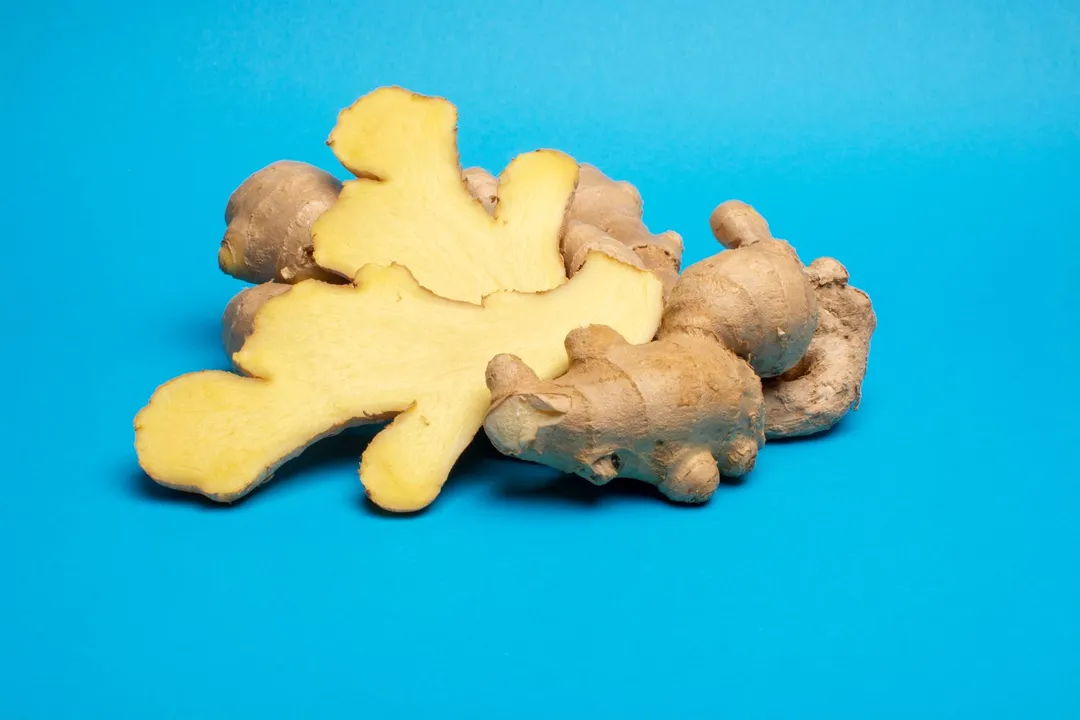
The most frequently cited reason to approach ginger cautiously relates to the gastrointestinal (GI) tract. While many people find ginger soothing for an upset stomach or indigestion, consuming too much can flip that benefit into an irritating reaction. For individuals already struggling with certain GI conditions, the stimulation provided by ginger can exacerbate symptoms.
People prone to heartburn might find that ginger increases acid production or relaxes the lower esophageal sphincter, leading to that familiar burning sensation rising in the chest. Diarrhea is another possible side effect, particularly when large quantities are consumed. If you already suffer from chronic digestive sensitivity, or conditions like peptic ulcers or gallstones, it is wise to introduce ginger very slowly, if at all. A general guideline is that if your stomach feels unsettled after consumption, the amount taken likely exceeded your body’s immediate tolerance level.
An important consideration often overlooked is the preparation method. While a small amount of fresh ginger grated into a meal is metabolized differently than a highly concentrated ginger extract or a large dose of dried ginger powder, the active compounds are present in all forms. For instance, dried ginger is often considered more pungent than fresh ginger, meaning a smaller amount by weight might deliver a stronger gastric punch. If you are testing your tolerance, starting with a light infusion of fresh ginger rather than a strong dried powder supplement might offer a smoother introduction.
# Blood Thinning Effects
Perhaps the most serious caution surrounding ginger relates to its potential to influence blood clotting—or rather, inhibit it. Ginger possesses natural anti-platelet activity, meaning it can reduce the ability of blood platelets to clump together and form clots. This effect is generally mild, but it becomes a significant concern when combined with prescription medications that already thin the blood.
Individuals taking anticoagulant or antiplatelet drugs, such as Warfarin (Coumadin), must exercise extreme vigilance. The addition of ginger can potentially amplify the medication's effect, leading to an increased risk of bruising, nosebleeds, or even severe internal bleeding. This interaction is serious enough that many healthcare providers advise patients on these medications to avoid routine or high-dose ginger supplementation altogether.
This concern extends beyond prescription blood thinners. People with existing bleeding disorders, such as hemophilia, or those scheduled for surgery, should pause ginger intake well in advance of any invasive procedure. While the sources don't specify an exact washout period, standard medical advice often suggests stopping herbal supplements that affect clotting at least two weeks before surgery to ensure proper coagulation is possible during and after the operation. Considering the mechanism, if you notice you bruise unusually easily even without taking prescription blood thinners, ginger might be contributing to that tendency.
# Medication Interactions

Beyond blood thinners, ginger's impact on other metabolic pathways requires careful navigation, especially concerning medications for chronic conditions like diabetes and hypertension.
# Blood Sugar Regulation
Ginger is sometimes noted for its potential to help lower blood sugar levels. While this might sound beneficial for some, it presents a clear danger for those already managing diabetes with medication, such as insulin or oral hypoglycemic agents. If ginger adds to the glucose-lowering effect of the medication, it could drive blood sugar down too far, resulting in hypoglycemia. Monitoring blood glucose levels becomes crucial if one chooses to continue regular ginger use while on these drugs, but many practitioners recommend avoiding the combination entirely to prevent unexpected dips.
# Blood Pressure Management
Similarly, ginger may possess mild blood pressure-lowering effects. For someone taking prescribed antihypertensive drugs, introducing ginger regularly could cause blood pressure to drop lower than intended. This could lead to symptoms like dizziness, lightheadedness, or fainting. Therefore, anyone managing hypertension with prescription drugs should consult their physician before incorporating significant amounts of ginger into their routine.
# Specific Health Conditions
Certain pre-existing health statuses or diagnoses make ginger a less advisable option, irrespective of drug interactions.
# Low Blood Pressure
For individuals already diagnosed with hypotension (chronically low blood pressure), consuming ginger could aggravate the condition. Since ginger can potentially lower blood pressure, adding it to a system already struggling to maintain adequate pressure could lead to uncomfortable or dangerous symptoms.
# Gallbladder Issues
Those with a history of gallstones or bile duct obstruction should be wary. Ginger is known to stimulate the flow of bile. While bile flow stimulation is often considered positive for digestion, in cases where existing stones obstruct the flow, increased bile production could potentially cause pain or complications.
# Pregnancy and Breastfeeding
While ginger is frequently suggested for morning sickness during pregnancy, official guidance often leans toward caution, especially as the dosage moves beyond what is typically consumed in food. Because of its potential effects on blood clotting and blood sugar, and given the general principle of minimizing exposure to unproven supplements during gestation and lactation, expectant or nursing mothers should seek medical clearance first. The balance between using it for nausea and avoiding any theoretical risk associated with bleeding or fetal development remains a point where conservative advice prevails.

# Dosage and Assessment
The crux of avoiding negative consequences often lies in the amount consumed. Most adverse effects are associated with consuming ginger in quantities significantly higher than what one would find in standard culinary use.
When looking at the potential for side effects like heartburn or diarrhea, the threshold for "too much" is highly individual. For a generally healthy person, this might mean several grams of dried powder or multiple cups of strong tea daily. However, for someone with a sensitive stomach, even a slightly larger-than-usual amount added to a stir-fry might trigger symptoms.
Here is a simple framework for self-assessment before incorporating ginger regularly:
| Health Status | Primary Concern | Action/Consideration |
|---|---|---|
| Taking Warfarin/Anticoagulants | Excessive Bleeding Risk | Avoid or use only under strict medical supervision. |
| Diabetes Medications | Hypoglycemia (low sugar) | Monitor blood sugar closely; risk of overcorrection. |
| History of Ulcers/Gallstones | GI Irritation/Bile Flow Complications | Introduce very small amounts; discontinue if pain increases. |
| Scheduled Surgery | Increased Bleeding Risk | Stop consumption two weeks prior to the procedure. |
If you are currently taking any prescription medication, a good rule of thumb—an application of practical caution—is to compare your typical dietary intake of ginger against the dosage found in commercial supplements. A common culinary dose might be safe, but supplements concentrate the active compounds dramatically. If you are consuming ginger in pill or extract form, the risk profile changes significantly compared to simply using a one-inch piece of fresh root in your evening meal. Before starting any ginger supplement, treat it with the same respect as starting a new prescription drug and discuss it with your primary care provider.
If you determine that ginger is causing you issues—whether it's heartburn or simply feeling slightly unwell—the simplest action is withdrawal. If the symptoms disappear after stopping, you have strong evidence that the root was the culprit. Reintroduction, if desired, should be done with a very small amount to pinpoint the maximum tolerable level for your unique physiology.
#Videos
AVOID Ginger if You Have THESE Problems - YouTube
Related Questions
#Citations
Ginger - Uses, Side Effects, and More - WebMD
Who should avoid ginger? Interactions with medications - Peptiko.gr
Ginger Root - StatPearls - NCBI Bookshelf
[PDF] Ginger | Memorial Sloan Kettering Cancer Center
Eating ginger is harmful to the stomach? - Vinmec
AVOID Ginger if You Have THESE Problems - YouTube
The Common Reasons Why You May Want To Avoid Consuming Gi...
9 Side Effects of Ginger - Verywell Health
Ginger Benefits | Johns Hopkins Medicine
4 Ways Ginger Can Affect Your Medication - EatingWell