Are pigeons unhealthy to eat?
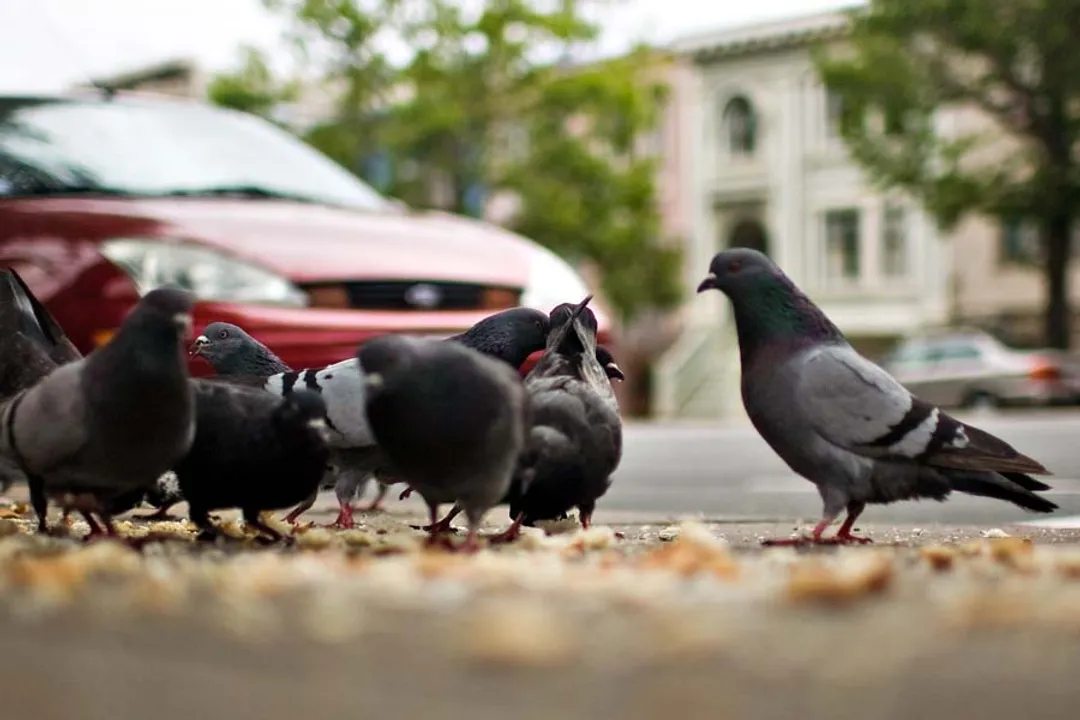
The status of pigeons as a food source often provokes strong reactions, mainly because most people associate the birds they see daily—the city dwellers—with grime and potential hazards. However, the topic of eating pigeon meat requires separating the context of the urban flock from the world of poultry farming, where pigeons are raised specifically for consumption, known as squab. [4][5] Whether these birds present a health risk depends almost entirely on which pigeon we are discussing and how it was raised and prepared. [1]
# Squab Delicacy
In many culinary traditions, pigeon meat, particularly that of young birds still in the nest, or squab, is highly regarded. [4] Squab refers specifically to young domestic pigeons raised for meat production, and they are valued for their tender texture. [4][5] Unlike the pigeons pecking at crumbs in a park, these birds come from controlled environments where their diet and health are managed, similar to chickens or turkeys raised for the table. [2] When sourced from reputable breeders, the meat itself is likely safe, provided it is cooked to the correct internal temperature, just like any other poultry product. [1] This distinction is crucial: we are comparing consumption of a managed livestock bird with the consumption of a feral bird of the same species. [3]
# Urban Bird Hazards
The primary concern surrounding pigeons as food doesn't usually stem from the meat itself, but rather from the environment where wild, non-farmed pigeons live and forage. City pigeons are known vectors for various pathogens, which is a major public health concern for municipalities. [6][7] These birds can carry bacteria like E. coli and Salmonella, as well as fungi and other microorganisms. [7] Authorities frequently advise the public against feeding these birds precisely because of the transmission risk posed by their droppings, which can contaminate surfaces and lead to human illness. [7][10][6]
The worry when considering eating a wild pigeon, therefore, centers on what it has ingested and where it has roosted. A bird living amidst urban detritus may accumulate environmental contaminants or carry parasites picked up from its foraging habits. [1] While proper cooking generally neutralizes bacteria and parasites, a wild bird's diet—which can include anything from discarded food scraps to less appealing urban waste—introduces variables that controlled farming eliminates. [2]
# Pathogen Exposure
Pigeons, regardless of their living situation, are recognized carriers of certain agents that can be transmitted to humans, though usually through direct contact or inhalation of dried droppings rather than consumption of thoroughly cooked meat. [7] Known contaminants include Histoplasma capsulatum, which causes histoplasmosis, and Chlamydophila psittaci, which can lead to psittacosis. [7] Furthermore, the bacteria Cryptococcus has also been linked to pigeon droppings. [7]
This general association with filth creates a significant psychological barrier to eating any pigeon, even if the specific bird intended for the plate was raised in cleaner conditions. The public health advisories often target the entire pigeon population found in public spaces, emphasizing that interaction with their droppings is the risk factor. [9] If one were to hunt a wild pigeon in a city setting, there's an elevated risk during the handling and plucking process if the bird is heavily contaminated externally, even before the cooking stage begins. [1]
# Sourcing and Handling
For those interested in the culinary aspect of pigeon, the key takeaway from examining the risks is sourcing. The safety profile of eating pigeon meat shifts dramatically based on origin. If you are consuming pigeon meat from a licensed butcher or restaurant that serves squab, you are dealing with a product that has undergone at least some level of commercial hygiene standard adherence. [4] Conversely, consuming a wild bird requires the same rigorous assessment you would apply to any other wild game—knowing the local environmental quality and having confidence in your field dressing and preparation techniques. [1][3]
Considering the difference between game birds and city dwellers, one might reflect on how we view domesticated fowl versus feral ones. We accept chicken and turkey because the entire system—from hatchery to slaughterhouse—is standardized for safety. With a wild pigeon, you are essentially operating an informal, single-instance farm-to-table operation where the "farm" is a public park or city rooftop. The inherent microbiological load on a bird that roosts on ledges frequented by other species and ingests uncontrolled food sources will almost certainly be higher than that of a bird fed formulated feed. [2]
# Preparation Prudence
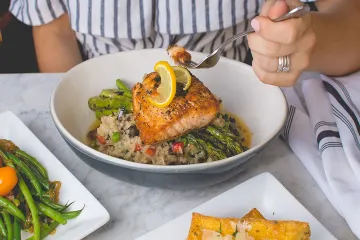
The most critical step, regardless of the bird's background, is ensuring it is cooked properly. Undercooked poultry is a known risk for foodborne illness. If one chooses to eat a wild pigeon, meticulous cleaning and high internal temperatures are non-negotiable safety measures. This isn't unique to pigeons but bears emphasizing given the potential for higher initial contamination compared to commercial poultry. [1]
A practical comparison can be drawn here regarding handling. If you are preparing game birds like pheasant or quail, you are accustomed to the process: immediate field dressing, care to prevent cross-contamination in the kitchen, and thorough cooking. Eating a pigeon should follow the exact same checklist. For instance, if you harvest a wild pigeon, treating the carcass with the same paranoia you might apply to a river fish contaminated by runoff—thorough washing of hands and surfaces—is an intelligent layer of defense against potential surface contaminants picked up during the hunt or retrieval. [9] This proactive hygiene transcends the specific pathogen and addresses general food safety best practices.
# Environmental Factors Comparison
Another point to consider relates to the type of exposure. Many of the reported health issues linked to pigeons involve environmental exposure to droppings (e.g., respiratory issues from cleaning attics or barns). [7] When eating squab, the risk is primarily internal, focused on the meat's quality and cooking temperature. When eating a wild bird, you inherit both risks: the unknown internal load from diet and the high external load from environmental contact during capture and processing. [1][6] This dual exposure pathway makes the handling phase significantly more critical for a wild bird than for a commercially processed one, where the bird likely entered packaging long before it reached the consumer’s kitchen counter. The cleanliness of the cutting board and utensils during your own preparation becomes as important as the oven temperature you set.
Ultimately, the unhealthiness of eating pigeon meat is less an inherent quality of the species and more a function of context, origin, and preparation. Wild, city-dwelling pigeons carry elevated health risks due to their environment and diet, making them questionable food choices without extensive knowledge of their immediate habitat and meticulous handling. [1][2] Farm-raised squab, conversely, enters the food chain as a known commodity, much like other fowl, where safety relies on standard, verifiable cooking practices. [4][5]
Related Questions
#Citations
If you caught and cooked a pigeon, would you get a disease?
Wild or domesticated pigeons for meat and poop
What are the ramifications of eating Pigeon meat? : r/Frugal
Squab
Eat Your Pigeons
Pigeons
Feeding pigeons could harm your health: Know the hidden ...
Pigeon-Related Diseases - NYC Health
Feeding pigeons harms humans and environment
Why You Shouldn't Feed Pigeons