Can I eat mollusks if I'm allergic to shellfish?
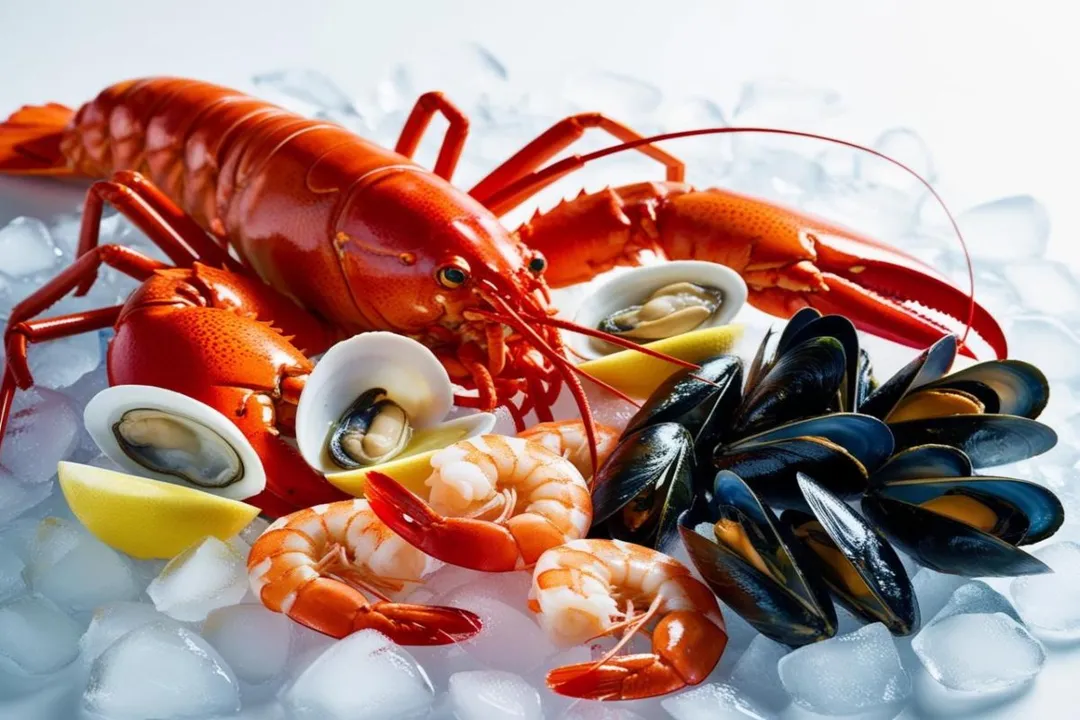
The confusion surrounding shellfish allergies is widespread, often leading people to believe that an allergy to shrimp or crab automatically means avoiding all seafood from the sea, including oysters or clams. In reality, the answer to whether you can safely consume mollusks if you have a known shellfish allergy is a cautious, often personalized, maybe. To understand why, we must first untangle the two distinct biological categories that fall under the general umbrella of "shellfish". [3][5]
# Shellfish Groups
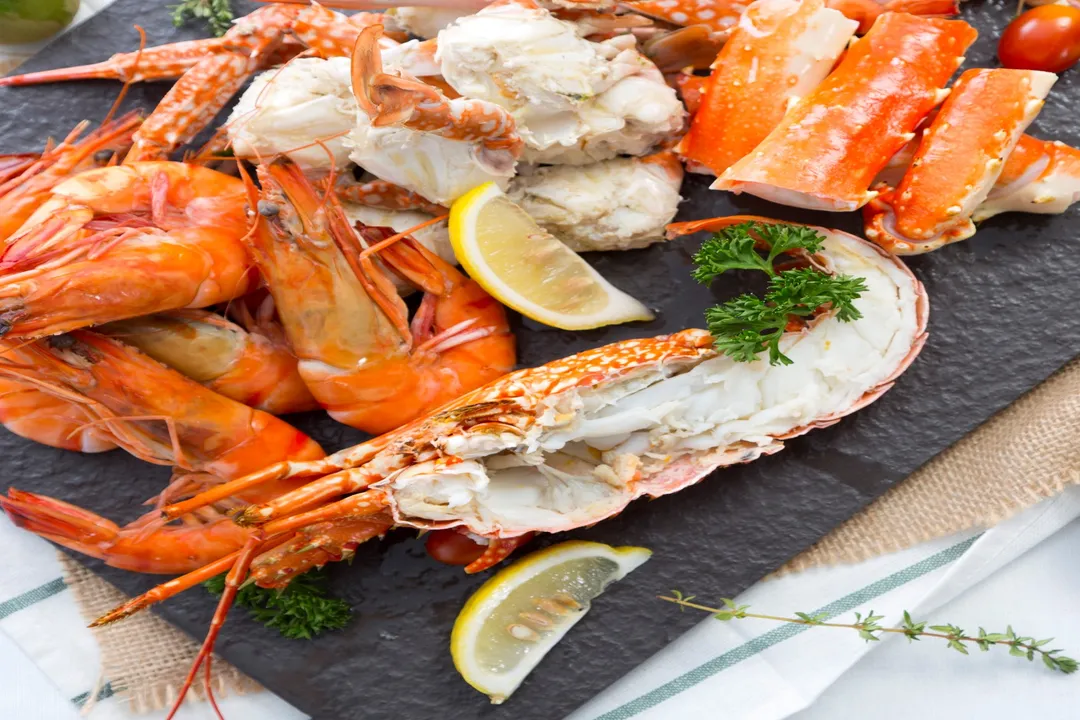
The term "shellfish" is a culinary and commercial grouping, not a strict biological classification. [3] It primarily covers two separate categories of aquatic invertebrates: crustaceans and mollusks. [3][5] This distinction is vital because the allergens responsible for causing a reaction are often specific to one group or the other. [4]
Crustaceans are arthropods. This group includes the familiar items like shrimp, crab, and lobster. [1][3][5] If you have a documented allergy to a crustacean, you are reacting to proteins found in that specific group of animals. [4]
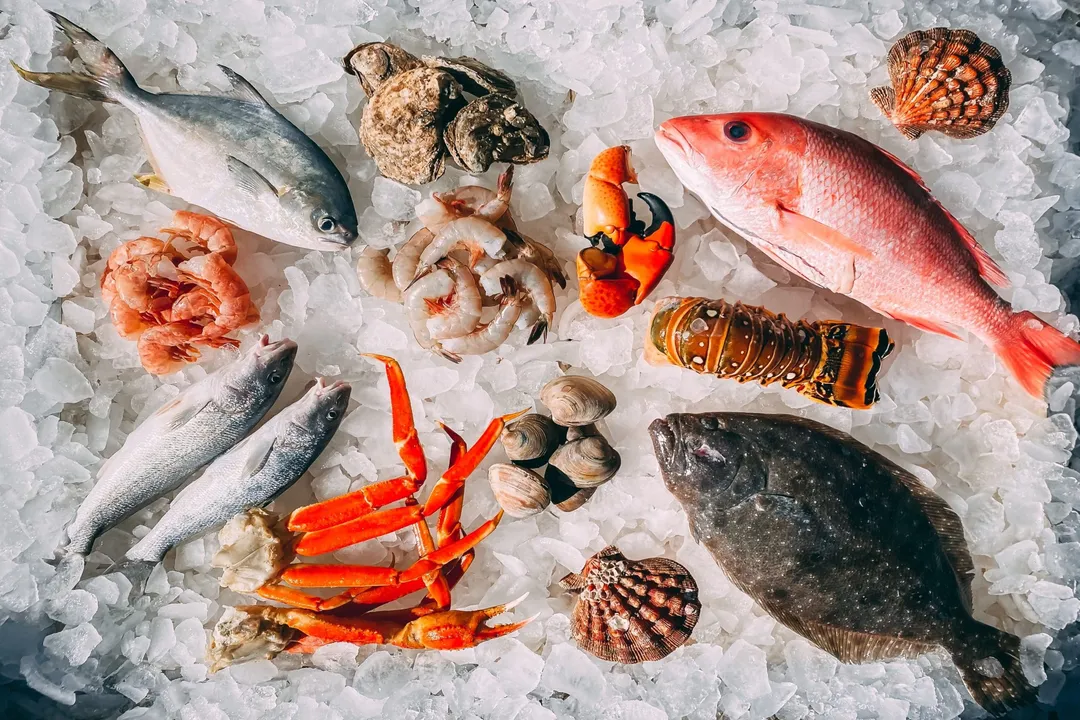
Mollusks, on the other hand, belong to the phylum Mollusca and are biologically unrelated to crustaceans. [3][4] This category is further divided into several classes. For the diner, the most relevant classes include:
- Bivalves: Such as clams, mussels, oysters, and scallops. [3][5]
- Cephalopods: Including squid (calamari) and octopus. [5]
- Gastropods: Like snails (escargot). [5]
The fact that these two groups—crustaceans and mollusks—are biologically distant is a key piece of information for anyone navigating this allergy. [3][4] It explains why reactions can be selective rather than universal across all "shellfish". [4]
# Allergen Proteins
The immune system reacts to specific proteins in food, and in the case of shellfish, the major culprits are often found in the muscle tissue. [4] For most individuals allergic to crustaceans, the primary sensitizing agent is a heat-stable muscle protein called tropomyosin. [1][4] This is the reason why cross-reactivity is extremely common within the crustacean group; someone allergic to shrimp is highly likely to react to crab or lobster because they share this primary allergen. [4]
The protein profile in mollusks, however, differs significantly from that in crustaceans. [4] While tropomyosin is present in mollusks, the specific structure or concentration might be different enough that a person highly sensitive to crustacean tropomyosin does not react to mollusk tropomyosin, or vice versa. [4] Shellfish allergies are officially recognized as two distinct categories of food allergies: crustacean and mollusk. [3]
Clinically, this means that while a person with a severe crustacean allergy must exercise caution with all crustaceans, their reaction risk to a clam or oyster is theoretically lower, assuming they have not been sensitized to mollusk-specific allergens. [4] When a patient reports a "shellfish allergy," the allergist needs to determine precisely which component they react to. [5]
# The Verdict
So, can someone allergic to shellfish eat mollusks? The answer hinges entirely on the specific diagnosis. [5] If a person has a confirmed allergy to crustaceans only, they might be able to tolerate mollusks. [3][4] Conversely, if the allergy is confirmed to be to mollusks only, they can likely eat crustaceans safely. [4]
For many people with a general shellfish sensitivity, the allergy is often restricted to crustaceans. [5] In these cases, many individuals are able to consume bivalves like clams or oysters without issue, provided strict avoidance of cross-contamination has occurred. [3][5]
However, this situation requires expert medical guidance. It is important to recognize that allergies can be complex. While the general rule separates the two groups, some individuals are allergic to both crustaceans and mollusks. [4] Furthermore, some mollusks, like squid or octopus, may contain different allergenic structures than bivalves, meaning a tolerance for oysters does not guarantee safety with calamari. [4]
When consulting an allergist, be prepared to discuss your history. Were your reactions limited to shrimp, or did they involve other seafood? Did you experience hives, stomach issues, or breathing difficulty? The severity and type of past reactions help build the picture. [2][5] Symptoms of a shellfish allergy, regardless of the specific type, can include hives, swelling, itching, abdominal pain, vomiting, diarrhea, and in severe cases, anaphylaxis. [2][5] A systemic reaction (involving multiple body systems) often suggests a more severe allergy profile overall. [2]
# Testing Protocols
Since avoidance is the current standard for managing confirmed allergies, challenging this assumption requires scientific testing. [5] Skin prick tests or specific IgE blood tests can often differentiate between crustacean and mollusk allergies. [4] These tests look for antibodies against specific proteins within each group.
Here is a practical consideration for someone seeking to determine if they can eat mollusks despite a crustacean allergy:
- Pinpoint the Known Allergy: First, confirm with your allergist what you are allergic to. If testing reveals a strong IgE response only to shrimp/crab extracts, the door might be open for mollusks. [4]
- Targeted Testing: Request specific testing for common mollusks (e.g., oyster, clam, scallop). If these tests are negative, it suggests a lower risk profile.
- Guided Reintroduction: If testing is negative, the next step, under strict medical supervision, is a formal food challenge. This is the only definitive way to confirm safety, as negative tests do not completely rule out a reaction in every case. [5] Your allergist may have you consume a minuscule amount of the suspect mollusk in their office, prepared to treat a reaction immediately.
A useful way to think about this clinically is to view it as two separate doors. If you are allergic to Door A (Crustaceans), you should check the lock on Door B (Mollusks) before attempting to enter. Do not assume the lock is broken just because Door A was difficult to open. [4]
# Safety Protocols
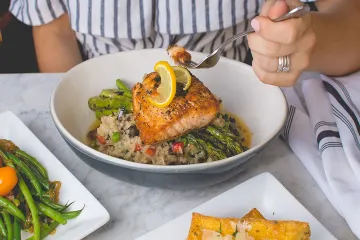
If you are cleared by an allergist to eat a specific type of mollusk, absolute vigilance regarding food preparation is necessary. Cross-contamination is a significant hazard, especially in restaurants where fryers, cutting boards, and utensils are often shared between crustaceans and mollusks. [5]
For instance, if you order steamed mussels (a mollusk) at a restaurant known to also serve fried shrimp (a crustacean), you must specifically ask about preparation practices. [5] Even trace amounts of tropomyosin from a crustacean transferred to your mollusk dish could trigger a reaction in a highly sensitive individual. [4]
When ordering, it can be helpful to be direct but precise: "I have an allergy to crustacean shellfish like shrimp, but I can eat mollusks like clams. Can you confirm that the mussels are cooked in a dedicated pot and not contaminated by any shrimp or crab products?". [5] Many allergy-aware establishments are trained to handle this level of specificity better than a general "shellfish allergy" request.
Another key point to remember is that canned or processed mollusks can sometimes introduce ingredients or cross-contamination from crustacean sources during processing, even if the initial raw product was clean. [5] Always check ingredient labels thoroughly. For example, some seafood stocks or flavorings may derive from shrimp or crab, even in a product labeled as, say, clam chowder. [5]
It is also worth noting that different allergy organizations sometimes use slightly different terminology, which can add to consumer confusion. While organizations like the American Academy of Allergy, Asthma & Immunology focus on the medical division (crustacean vs. mollusk), [1][3] consumer guides or restaurant menus often stick to the broad "shellfish" warning for liability and simplicity. [5] This disparity means the patient must be educated enough to translate their medical diagnosis into safe real-world ordering practices.
# Comparing Preparation
One area where both groups overlap is in preparation, yet the potential for harm varies based on heat treatment. Tropomyosin, the primary crustacean allergen, is relatively heat-stable. [4] This means cooking shrimp or crab may reduce the allergenicity slightly, but it rarely eliminates the risk for sensitive individuals. [4]
Mollusks, however, can sometimes undergo more significant protein changes when cooked, potentially altering their allergenic properties, although this is less documented than the stability of tropomyosin. The main risk with mollusks, as with crustaceans, is consuming them raw (like in some oysters or sushi preparations), which presents the highest exposure to intact proteins. [4]
For the person cleared to eat mollusks, they should still be aware that the risk of reaction increases when consuming raw versus cooked varieties of that mollusk. Always start with the thoroughly cooked version if reintroducing a previously avoided food group following medical clearance.
Ultimately, while the biology separates crustaceans and mollusks, the practical reality of food service often groups them together, making the burden of verification fall heavily on the allergic individual and their accompanying dining party. Never assume safety; always verify the protein source and the risk of cross-contact, especially in high-volume kitchens. [5]
Related Questions
#Citations
Shellfish Allergy | Causes, Symptoms & Treatment
Shellfish allergy - Symptoms and causes
Crustaceans and molluscs
Key Allergen Differences Between Mollusks and ...
Shellfish Allergy
Molluscan shellfish allergy
Shellfish Allergy Diet
Shellfish Allergy: Symptoms, Causes and Tricks to Manage
Shellfish Allergy Overview, Symptoms, & Treatment in New ...