Why are monkfish unhealthy?
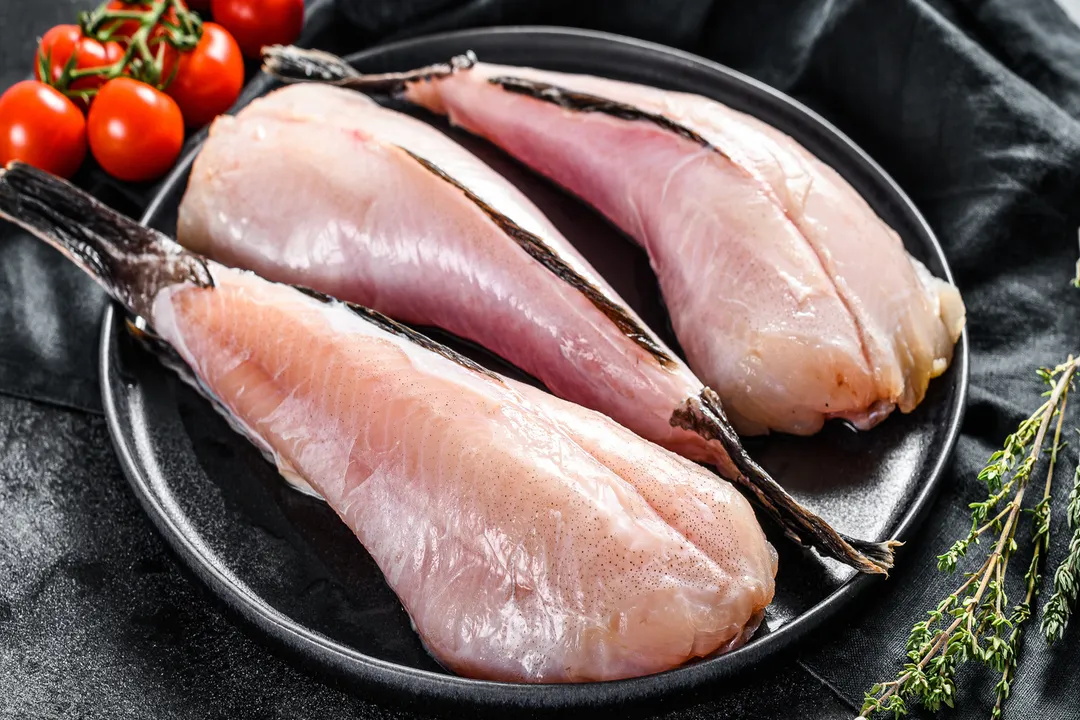
The perception of monkfish often centers on its culinary reputation—a firm, white-fleshed fish earning the affectionate nickname "poor man's lobster" for its meaty texture and mild, sweet flavor. Yet, beneath this gourmet veneer lie several critical reasons why a consumer might need to think twice before regularly making it a staple of their diet. These concerns span from immediate safety hazards linked to historical distribution errors to ongoing environmental pressures and specific nutritional compromises.
# Acute Poison Risk
The most dramatic concern surrounding monkfish consumption stems not from the fish itself, but from potential mislabeling in the supply chain. In a notable incident, the Food and Drug Administration (FDA) issued a severe warning to the public advising them to not buy or eat monkfish. This was because samples analyzed by the agency were confirmed to be puffer fish containing potentially lethal levels of tetrodotoxin.
Tetrodotoxin is a potent neurotoxin that is naturally found in some fish but is not present in true monkfish. Critically, the presence of this toxin is not mitigated by standard preparation methods; cooking, freezing, or other common food processing techniques will not destroy tetrodotoxin, making proper identification paramount. The fish linked to this specific warning were imported from China by a single distributor, Hong Chang Corp., and were found in boxes explicitly labeled "FROZEN MONKFISH GUTTED AND HEAD-OFF". The FDA’s concern was so significant that they advised consumers in possession of the product to discard it immediately. While this appears to be a specific historical event tied to a particular shipment, it establishes a historical precedent where the risk of severe, life-threatening poisoning from mislabeled monkfish was real enough to warrant federal intervention.
# Handling Hazards
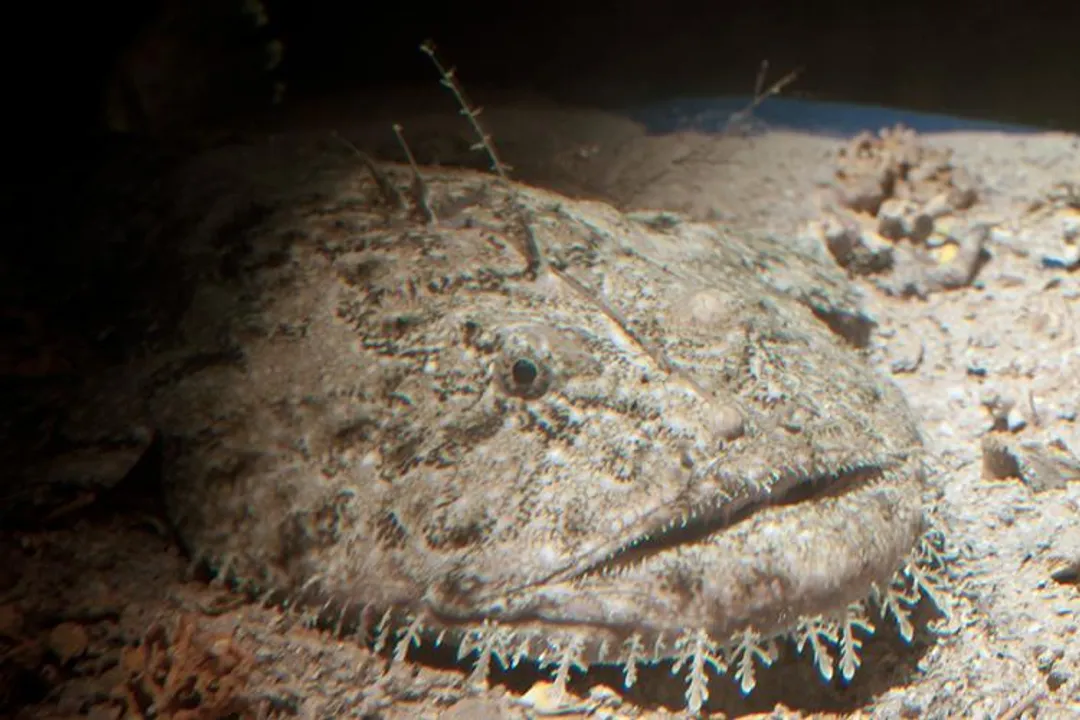
Beyond the risk of consuming an imposter, the actual monkfish presents hazards related to its nature and physical structure. In its live state, the monkfish is built for formidable predation. It boasts a broad, flat head and an enormous mouth lined with numerous sharp teeth that angle slightly inward, designed to trap its prey. This anatomical design translates to a real physical risk for anyone handling the whole fish; extra care must be taken because its bite can be dangerous.
Even when safely on the cutting board, proper preparation is essential to ensuring a pleasant eating experience, which touches upon subtle quality concerns. Monkfish meat is naturally covered by a blue-gray membrane. If this thick, gelatinous layer is left on during cooking, it will shrink, causing the meat to curl and turn tough. While removing this skin layer is necessary to access the desired texture, this necessary step in processing can be seen as an extra layer of labor or cost when compared to flakier, pre-cleaned white fish. When one factors in the effort to process it correctly, the perceived convenience of this "lobster-like" meat diminishes slightly.

# Nutritional Compromises
From a pure dietary standpoint, monkfish boasts several admirable attributes that align well with health-conscious eating patterns. It is heralded for being low in calories and virtually free of carbohydrates. For those focused on building lean mass or managing weight, it delivers a significant punch of lean protein, offering around 14 to 20 grams per typical serving, alongside all the necessary essential amino acids. Furthermore, it is a good source of essential nutrients like selenium, which aids in antioxidant use, Vitamin B12 for nervous system health, and phosphorus for bone strength. It is also noted as being relatively low in sodium.
However, the trade-off for this lean profile involves other crucial components commonly sought in seafood. Monkfish contains lower levels of omega-3 fatty acids when compared to many other fish varieties. Omega-3s are celebrated for their cardiovascular and anti-inflammatory benefits, meaning that substituting monkfish for fattier fish like salmon or mackerel means missing out on that particular source of healthy fat.
Another nutritional detail requiring moderation is its cholesterol content. While low in overall fat, one analysis indicates that monkfish contains high cholesterol levels, suggesting it should be consumed as an occasional treat rather than a daily source of protein for those monitoring intake. Furthermore, like most ocean fish, it carries mercury, categorized as having moderate mercury levels. While the amount isn't deemed immediately harmful for the general population, this factor dictates that vulnerable groups, such as young children and women who are pregnant or planning to become pregnant, should limit their intake.
# Environmental Status
A fish’s health profile for consumers is increasingly intertwined with its environmental health profile, as unsustainable fishing practices can lead to ecosystem instability, which circles back to affect seafood availability and safety over time. Some sources advise avoiding monkfish due to concerns that populations have experienced depletion or are susceptible to overfishing.
The primary method used to catch monkfish in northern waters is bottom trawling. This practice involves dragging heavy gear along the seabed, which causes significant negative repercussions by destroying or damaging the habitat where monkfish and other species breed. This environmental strain is presented as a justification for choosing more sustainable mild white fish alternatives like cod or flounder.
It is important, however, to contrast this with the regulatory status of domestically caught product. According to NOAA Fisheries, U.S. wild-caught monkfish, harvested from Maine down to North Carolina, is considered a smart seafood choice because it is managed and harvested responsibly under existing U.S. regulations. This suggests that the source of the fish is a major determinant of the environmental concern. While the FDA toxin scare centered on imported fish, the sustainability issue often centers on the method of capture (trawling) regardless of the area, though specific management measures are in place to close certain areas to protect sensitive habitat. Therefore, a conscious consumer must look beyond the general species name and focus on sourcing: imported fish carries the risk of mislabeling and potentially unregulated harvest, whereas domestically sourced monkfish benefits from specific management plans that address bycatch and habitat concerns, even if trawling remains a component of the harvest.

# Preparation and Sourcing Notes
Considering the various concerns—from acute poisoning risk to nutritional trade-offs—a cautious approach to purchasing and preparing monkfish is advisable. Because the danger of tetrodotoxin is real with improperly labeled imports, sticking to known, regulated suppliers is the first line of defense against the most severe risk.
When sourcing domestically, you are generally dealing with fish managed under the New England and Mid-Atlantic Fishery Management Councils. Even with this management, the firm texture that makes monkfish desirable also demands attention during preparation—the fish must be cooked properly to avoid issues like that tough, curled membrane. For those who adhere to diets like Keto, the fish's zero-carbohydrate profile is a major benefit, but the moderate cholesterol and lower omega-3s necessitate balancing it with other dietary fats and seafood sources throughout the week to ensure a broad spectrum of nutrients is being obtained.
Related Questions
#Citations
You Should Think Twice Before Eating Monkfish. Here's Why
Monkfish – As delicious as they are dangerous
What Are the Health Benefits of Monkfish?
Monk Fish Nutrition Facts: Pros & Cons
Maine Seafood Guide - Monkfish
Monkfish
FDA: Don't Eat Monkfish