Why does wild Pacific salmon generally exhibit a superior Omega-6 to Omega-3 ratio?
Answer
Their natural diet, rich in smaller fish, crustaceans, and plankton, provides a superior concentration of beneficial Omega-3 compounds.
The primary reason wild Pacific salmon possess a healthier fatty acid profile centers entirely on their natural foraging behavior. By consuming smaller prey items like certain fish, crustaceans, and various forms of plankton throughout their lives in the open ocean, they naturally ingest high levels of the essential Omega-3 fatty acids (DHA and EPA). This natural diet composition results in the final product having a much more favorable balance when measured against the Omega-6 content, contrasting sharply with standardized, manufactured diets.
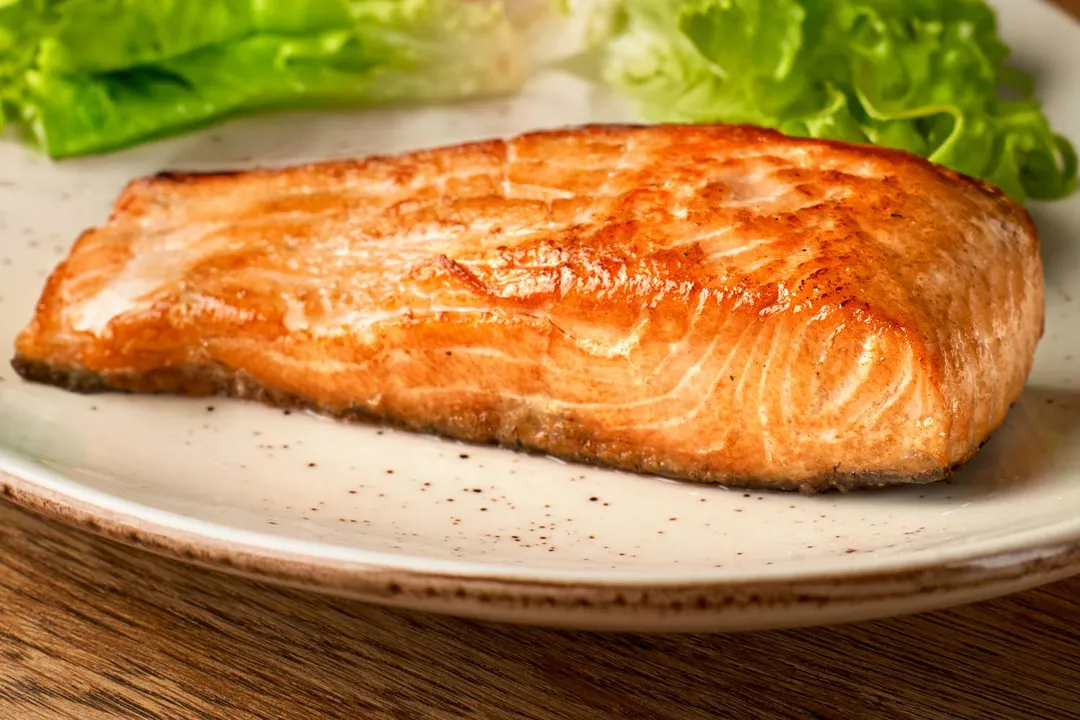
Related Questions
How does the total fat load compare between farmed Atlantic and wild Pacific salmon fillets?What factor is immensely important beyond total fat content when evaluating fish health benefits?Why does wild Pacific salmon generally exhibit a superior Omega-6 to Omega-3 ratio?What is the source explaining the higher proportion of Omega-6 fatty acids in farmed Atlantic salmon?Where does the concentration of astaxanthin, which colors salmon pink, mainly originate in wild fish?Which contaminant issue has frequently appeared higher in farmed salmon than in wild salmon?What crucial factor determines the health profile more than the designation of 'Atlantic' or 'Pacific' Ocean?How is Chinook salmon characterized in terms of fat content among the wild Pacific varieties?What practical cooking advantage does the higher total fat content of farmed Atlantic salmon offer?What analogy is used to convey that the feeding ground is more important than the ocean name on the map?