What is healthier, sardines or anchovies?
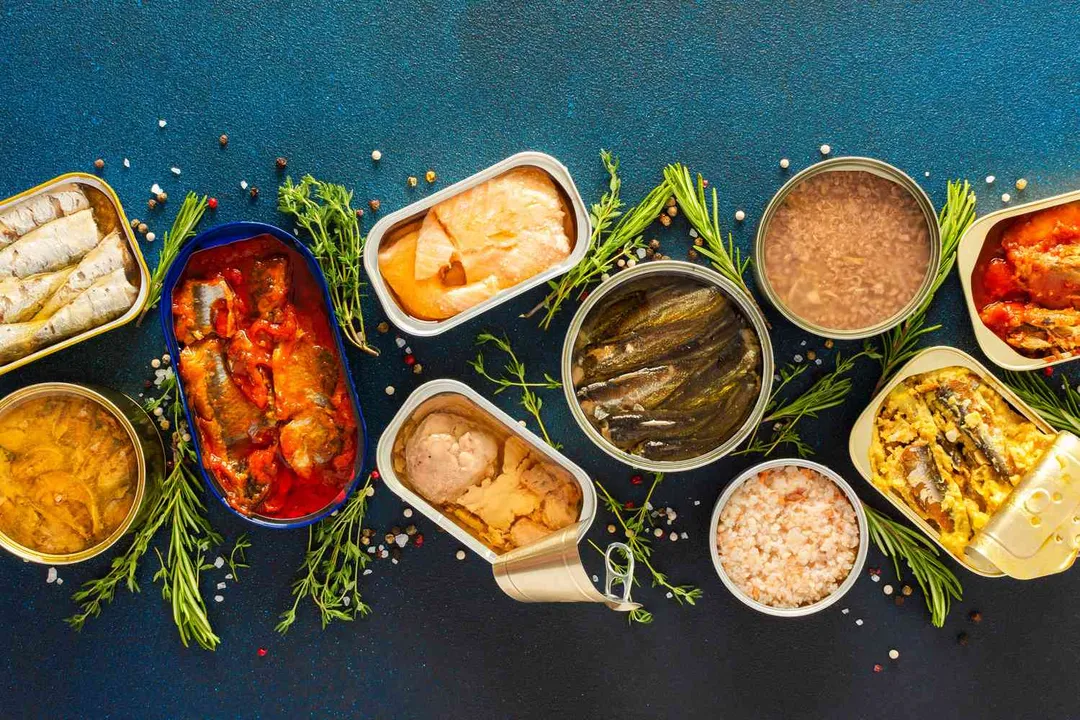
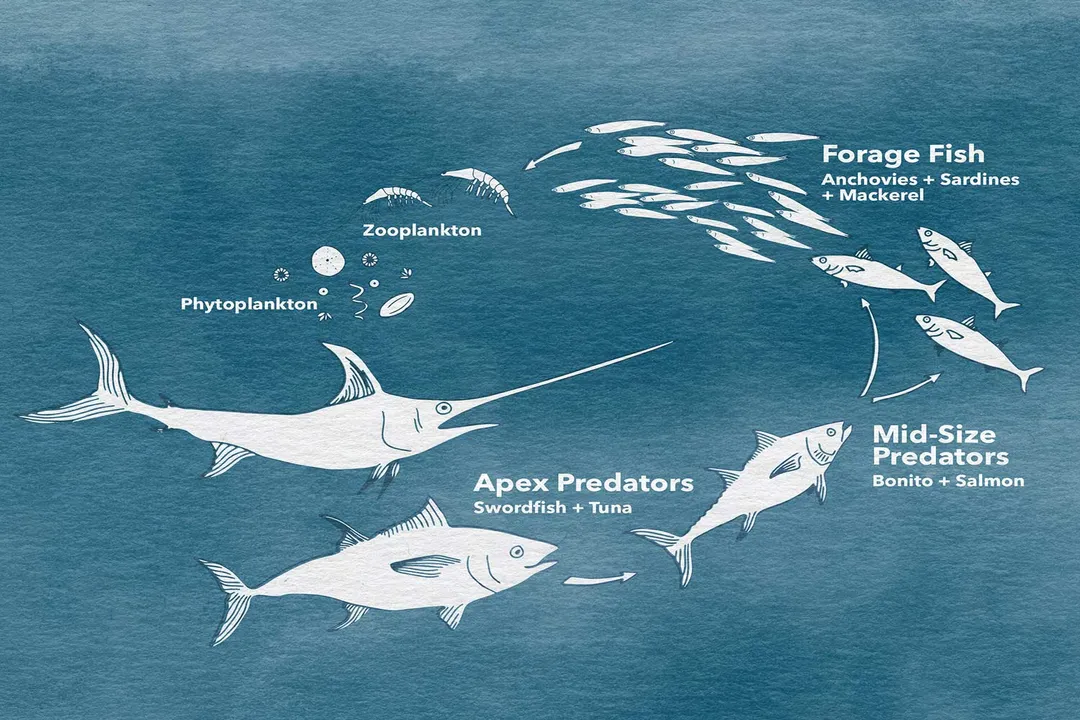
When trying to decide between two nutritional titans of the sea—sardines and anchovies—it is easy to feel stuck. Both tiny, oily fish swimming up the food chain are phenomenal sources of essential nutrients, particularly the coveted Omega-3 fatty acids. They are often lumped together as "little fish that pack a big punch," but while they share a family resemblance and a similar ecological role, their specific nutritional profiles and culinary applications create clear distinctions in which one might be the healthier choice for your diet. [1][5]
The overall verdict leans slightly toward sardines for overall nutrient density in a standard serving, especially when considering bone-in varieties. However, the "healthier" option truly depends on what nutrients you prioritize and how you intend to use the fish in your kitchen. [1][6] Are you looking for a substantial protein serving loaded with calcium, or a potent flavor enhancer rich in savory umami?
# Nutritional Profiles

Both sardines and anchovies offer significant health advantages simply by being small, relatively short-lived fish, which typically means they accumulate far lower levels of contaminants like mercury compared to larger, predatory species. [4] They are both exceptional sources of protein, essential for muscle maintenance and satiety. [6]
Sardines, frequently consumed whole (bones and all) when canned, tend to offer a slightly broader spectrum of nutrients in a standard serving size, which is often defined as a full can or tin. [1][4] They are particularly lauded for their Vitamin D content and high levels of calcium, thanks to those edible bones. [6]
Anchovies, on the other hand, are usually cured or preserved in salt or oil. While they are also rich in protein and Omega-3s, their nutritional story often comes with a heavy asterisk: sodium. [1][5] They are generally smaller than sardines, and their preparation method dictates much of their final nutrient impact. [5]
# Omega-3 Comparison
When we talk about the cardiovascular and cognitive benefits associated with these fish, we are talking primarily about eicosapentaenoic acid (EPA) and docosahexaenoic acid (DHA)—the famous Omega-3s. [1] Both fish deliver impressive amounts of these beneficial fats, which are vital for reducing inflammation and supporting heart health. [4]
Studies often show that sardines hold a slight edge in total Omega-3 content per serving compared to anchovies. [1] For instance, a typical serving of sardines might contain around 1,500 mg to 2,000 mg of combined EPA and DHA, depending on the packing medium. [1] While anchovies are also rich, you might find slightly lower totals, though the difference is often negligible for someone consuming fish only a few times a week. [6] If maximizing pure Omega-3 intake is the single goal, sardines often present the most straightforward path.
# Mineral Powerhouses

The difference in mineral content is where the comparison sharpens, largely due to how we eat them.
# Calcium Source
This is perhaps the most defining nutritional separation. Sardines canned with their soft, edible bones are an absolute powerhouse for bone health. [1][6] The calcium provided by consuming the entire fish can be substantial—some sources suggest a single serving of bone-in sardines can provide nearly a full day's recommended intake of calcium. [4] This makes them an outstanding non-dairy source for bone density support. [6]
Anchovies, while providing important minerals like selenium and phosphorus, are rarely eaten in quantities that would make them a primary calcium contributor to the diet. They are usually consumed as a salty, potent accent, meaning the bones (if present) are often not the primary focus of consumption, unlike the typical sardine tin. [5] If your goal is to boost calcium, the choice is decidedly in favor of the sardine eaten whole. [1]
# Vitamin D Content
Vitamin D is another crucial nutrient where sardines often shine. Being oily fish, both contain the vitamin, but the amounts found in sardines are frequently cited as being among the highest available from food sources. [1][4] This is important because Vitamin D is necessary for calcium absorption and immune function, and many people globally are deficient. [6]

# Sodium Intake Warning
The single most significant potential downside when choosing anchovies over sardines revolves around sodium content, which impacts blood pressure and overall cardiovascular strain. [5]
Anchovies are traditionally processed by packing them in salt to cure them, a process that draws out moisture and develops their intense, savory flavor profile. [1][5] Consequently, a small serving of anchovies can dramatically spike your sodium intake. [5] For someone monitoring salt intake due to hypertension or general health concerns, this requires careful consideration. [1]
Canned sardines, conversely, are much more variable. They can be packed in water, olive oil, or tomato sauce, and their sodium levels will vary based on the packing liquid and added salt. [5] If you select sardines packed in water with no added salt, their sodium content will be significantly lower than nearly all commercially available anchovy products. [1]
If you love the flavor of anchovies but are wary of the salt, consider this: a small amount of anchovy paste or a few fillets might be used to season an entire pot of soup or sauce, distributing that sodium across many servings. However, if you are eating a can of anchovies straight from the tin as a snack or main protein, the sodium load in that single serving can be quite high compared to an equivalent can of plain sardines. [5]
# Preparation Versus Freshness
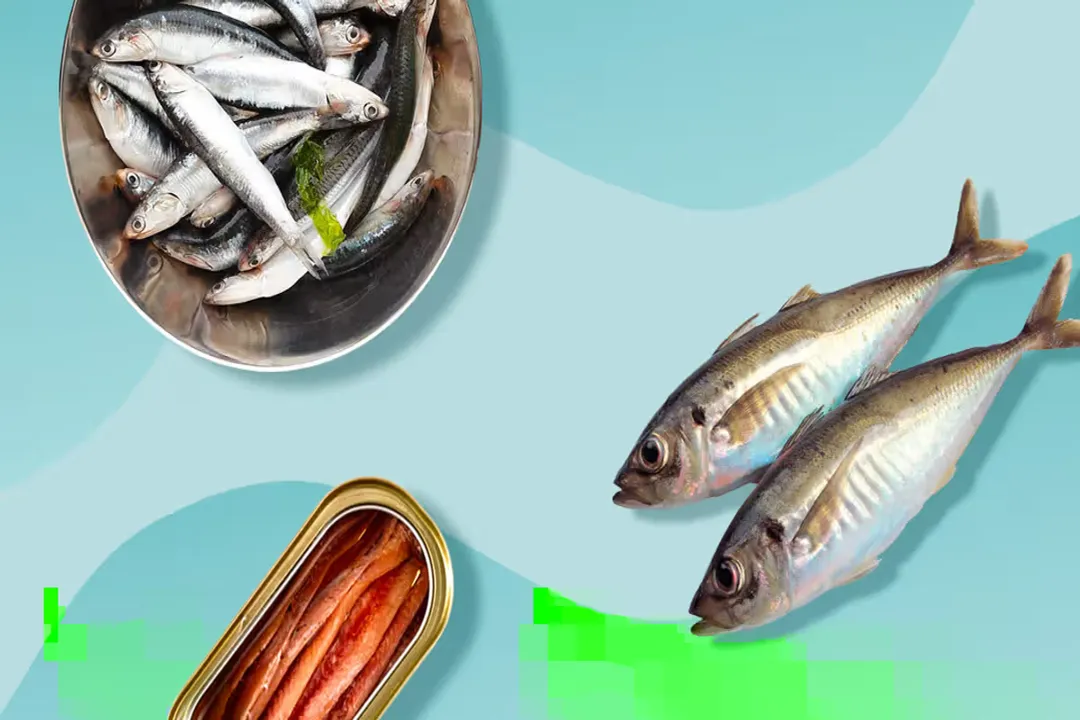
The way these fish are presented in the store heavily influences their final health profile, regardless of which species you select. [5]
# Canned Sardines
Canned sardines are often the most convenient and healthiest entry point. They are cooked and preserved, making them shelf-stable. [5] The liquid they are packed in matters significantly: water packing keeps the fat and calories lower, while oil packing increases the caloric density but adds fat (often healthy monounsaturated fats, especially if packed in olive oil). [5] Because they are eaten whole, the mineral benefits remain intact. [1]
# Anchovy Forms
Anchovies show up primarily in three ways: salt-packed, oil-packed, or as a paste.
- Salt-Packed: Highest in flavor and sodium. They require rinsing or soaking before use to mitigate the saltiness. [5]
- Oil-Packed: Salted first, then packed in oil. These are still high in sodium but introduce more fat into the equation. [5]
- Paste: A convenient, highly concentrated flavoring, often found near Italian ingredients. This is the easiest way to add a burst of umami without eating many whole fish, but the paste itself is very high in sodium by volume. [5]
When comparing a full serving of sardines versus a typical, concentrated use of anchovies (like a teaspoon of paste in a salad dressing), the sardine serving will almost always provide a greater volume of lean protein, Omega-3s, and bone-supporting minerals, whereas the anchovy provides a massive flavor impact with a high sodium trade-off. [1]
# Sustainability and Sourcing
For environmentally conscious consumers, understanding the sourcing of both species is part of determining what is "healthier" for the broader ecosystem. Fortunately, both species generally fare well in sustainability ratings. [4] Both anchovies and sardines are small, forage fish, meaning they reproduce quickly and their populations tend to be more resilient to fishing pressure than larger predatory fish. [4]
However, local regulations and specific fishery management practices will dictate the exact sustainability score (like the MSC certification) for the product you buy. A brand committed to traceable, sustainable fishing practices—whether they carry sardines or anchovies—is generally the superior choice. [4]
# Putting It into Practice
To synthesize this comparison, creating a mental cheat sheet can help when standing in the grocery aisle.
| Feature | Sardines (Bone-In Canned) | Anchovies (Salt/Oil Packed) | Health Implication |
|---|---|---|---|
| Primary Use | Main protein source, salad topping | Flavoring agent, seasoning | Different serving sizes matter greatly. [5] |
| Omega-3s | Excellent, often slightly higher total | Excellent | Both are top-tier Omega-3 sources. [1] |
| Calcium/Vit D | Extremely High (due to bones) | Low to Moderate | Sardines are better for bone health. [4][6] |
| Sodium | Variable; can be low if packed in water | Very High (due to curing) | Anchovies require sodium monitoring. [1][5] |
| Fat Content | Moderate (depends on packing liquid) | Moderate (depends on oil/salt preservation) | Both are oily fish, favoring healthy fats. [1] |
When planning your meals, think about the role the fish plays. If you are aiming to replace a portion of meat in a pasta sauce, a small amount of anchovy dissolved into the base adds depth and nutrition without a huge caloric load, provided you accept the sodium hit. If you are assembling a quick, nutrient-dense lunch, opening a tin of sardines, perhaps mixing them with some lemon juice and mustard, provides a complete, bone-supporting protein meal. [4]
The way you rinse or prepare anchovies can slightly alter the nutritional outcome. If you opt for salt-cured fillets, taking a moment to soak them in fresh water for about ten minutes, changing the water once, can significantly reduce the surface salt concentration. This practice helps preserve most of the healthy fats and minerals while lessening the sodium impact of that particular serving, though it will inevitably dull some of the intense flavor that makes them so appealing in the first place. [5]
Ultimately, the biggest health win is consuming either fish regularly over refined carbohydrates or less nutrient-dense proteins. Both sardines and anchovies bring high-quality marine nutrition to the table, but the sardine, especially the bone-in variety packed without excess salt or oil, generally provides a more rounded profile for everyday consumption due to its superior calcium and Vitamin D contribution. [4][6]
Related Questions
#Citations
Anchovies vs. Sardines: Which Is Healthier? - Healthline
Anchovies vs. Sardines: Which Is Healthier? : r/CannedSardines
Anchovies vs Sardines: The Difference - Patagonia Provisions
Anchovies vs. Sardines: The Difference & Which One Is Healthier
How Sardines and Anchovies Are Different—and When to Use Each
Anchovies vs. Sardines: Which Is Healthier? - Verywell Health
Anchovies or sardines? Shelly Wegman, RDN, a UNC Health Rex ...
Which is better, anchovies or sardines? - Quora
Sardines vs. Anchovies
Anchovies Versus Sardines: The Ultimate Debate | TinCanFish Blog