Which fish is good for pregnancy?
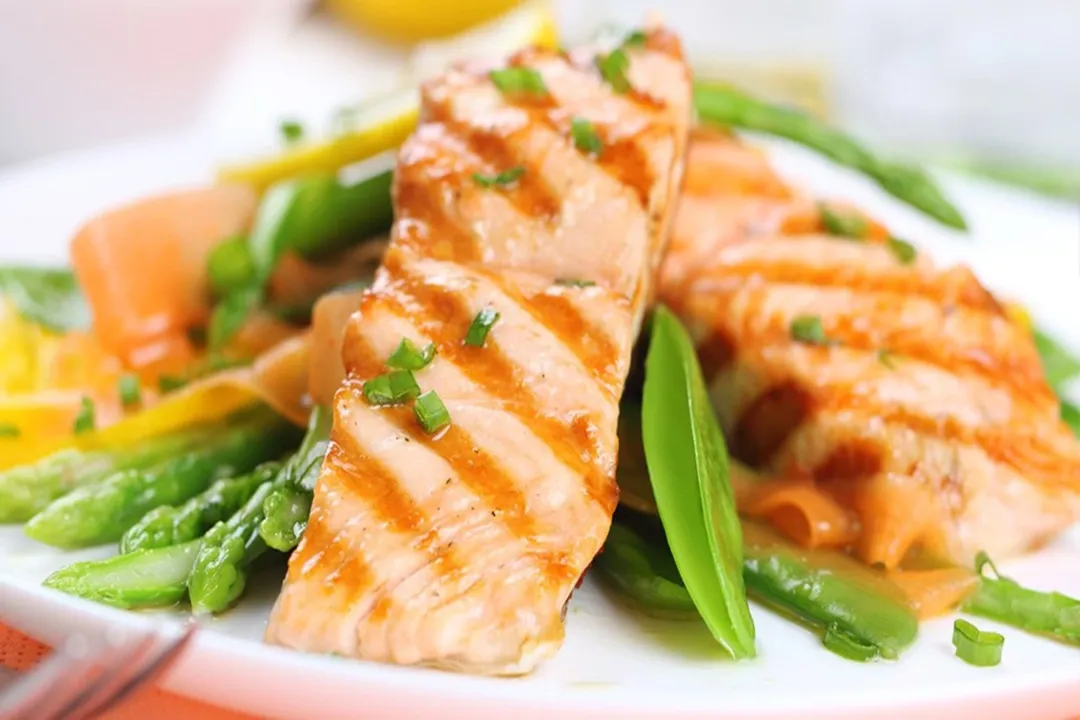
Eating fish during pregnancy is a topic surrounded by sensible caution, yet it remains vital for securing essential nutrients for your developing baby. The goal isn't to avoid seafood entirely, but rather to navigate the choices expertly, balancing the rich benefits of fatty acids against the potential risks posed by environmental contaminants like mercury. [1][4] When you choose wisely, fish can be a powerful addition to your prenatal diet, supporting everything from brain architecture to eye health. [1]
# Key Nutrients
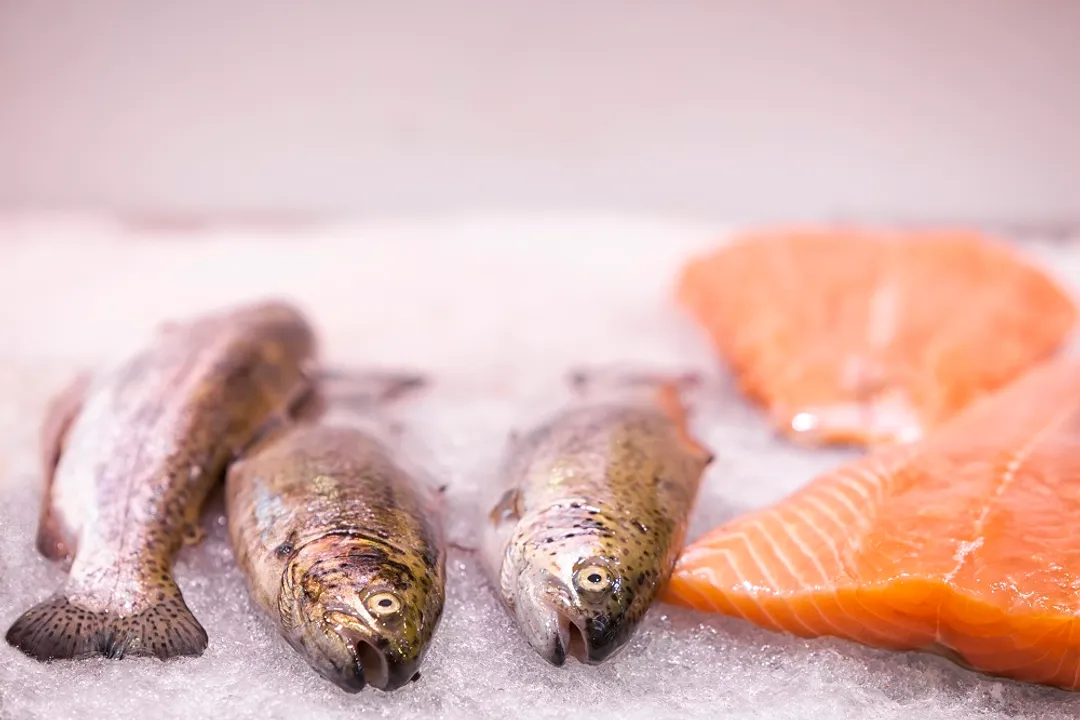
The primary draw of seafood for expectant mothers lies in its high concentration of omega-3 fatty acids, specifically docosahexaenoic acid (DHA). [1][4] DHA is a building block for the baby’s brain and eyes, making it one of the most important nutrients during the critical phases of fetal development. [1] Beyond these fats, fish provides excellent sources of lean protein, which is necessary for the growth of fetal tissue, and important vitamins and minerals like Vitamin D and iron. [1][4]
If you look at seafood intake from a broader nutritional standpoint, it often acts as a better source for these particular nutrients than many other food groups favored during pregnancy. For instance, while dairy covers Vitamin D, very few other common foods match fish for easily accessible DHA levels. [4]
# Mercury Risks
The main apprehension regarding fish consumption stems from methylmercury, a contaminant that can accumulate in fish, particularly larger, predatory species. [3][4] When a pregnant person consumes fish high in this element, the mercury can cross the placenta and potentially impact the developing nervous system of the fetus. [3][4] Because of this, regulatory bodies strongly advise pregnant individuals to monitor the types and amounts of fish they eat. [3]
This risk is cumulative, meaning it builds up over time based on consistent consumption patterns. Therefore, focusing on portion control and lower-mercury options is the most effective strategy for maintaining safety while reaping the nutritional rewards. [3] The guidelines provided by health organizations aren't meant to restrict you to an entirely fish-free diet, but rather to steer you toward safer, nutrient-dense varieties. [2][4]
# Best Choices
When planning your weekly meals, prioritizing fish known for being low in mercury is the simplest approach. These are generally smaller fish that do not live as long or accumulate as much contaminant as their larger counterparts. [3]
Here are some of the most commonly recommended low-mercury options suitable for regular inclusion in a pregnancy diet:
| Category | Examples of Low-Mercury Fish | Typical Serving Size Guidance |
|---|---|---|
| Fish | Salmon, Cod, Tilapia, Catfish, Light Canned Tuna, Sardines | 8 to 12 ounces total per week [1][2][3] |
| Shellfish | Shrimp, Crab, Canned Light Tuna (as a category) | Included within the 8–12 ounce recommendation [2] |
Salmon deserves special mention because it frequently tops lists due to its excellent balance of high DHA content and very low mercury levels. [1][5] Similarly, options like herring and mackerel (specifically Atlantic mackerel, not King mackerel) are excellent choices when available. [4]
If you are purchasing canned tuna, pay close attention to the type. Canned light tuna generally contains less mercury than albacore tuna. Therefore, you can safely enjoy more of the light variety than the albacore variety each week. [1][3]
# Fish to Limit
Understanding which fish to avoid or strictly limit is just as important as knowing which ones to embrace. High-mercury fish tend to be those that live long lives and are often at the top of the ocean food chain. [3][4]
The following types of fish should generally be avoided completely during pregnancy due to their high mercury content: [1][4]
- Shark
- Swordfish
- King Mackerel
- Tilefish (from the Gulf of Mexico)
- Marlin
- Orange Roughy
- Bigeye Tuna
It’s important to compare the specific types to avoid confusion. For example, while canned light tuna is fine in moderation, albacore tuna contains more mercury and should be limited to no more than 4 ounces per week. [1][3] If you are eating fish caught by family or friends, such as from local lakes or rivers, you should adhere to local advisories or avoid eating those catches entirely unless specific local testing data confirms they are safe, as mercury levels can vary significantly by water system. [2][3]
# Recommended Intake
The general consensus from major health authorities is that pregnant individuals can safely consume 8 to 12 ounces of low-mercury fish per week. [1][2][3] This equates to roughly two to three servings spread across the week. [2]
When thinking about portion sizes in practical terms, a 4-ounce serving is often considered the standard size equivalent to a deck of cards or the palm of an average adult hand. Planning your week around two such meals, focused on salmon or cod, will easily keep you within the recommended healthy range. [2][3]
If you consume any of the fish that are higher in mercury, such as albacore tuna, you must count that amount against your weekly 8 to 12-ounce allowance. For instance, if you eat 4 ounces of albacore tuna, you should only consume 4 to 8 ounces of other low-mercury fish that week. [1][3]
# Preparation Matters
While sourcing the right fish is step one, how you prepare it is step two to ensuring food safety during pregnancy. Regardless of the fish type, it must be cooked thoroughly before consumption. [5]
The surest way to know fish is cooked correctly is to check that the flesh is opaque and flakes easily when tested with a fork. [5] If you are eating raw or undercooked fish, such as in sushi or ceviche, you introduce the risk of bacterial or parasitic contamination, which is a separate concern from mercury but equally important to avoid during pregnancy. [8] Ensure that any shellfish, such as oysters or clams, are also cooked until they open, and discard any that do not open during cooking. [8]
For those who prefer frozen options, rest assured that freezing does not remove mercury, but it is an excellent way to preserve quality and often purchase fish like salmon or cod when fresh supplies are scarce. [5]
# Beyond the Fish Counter
It is worth noting that the nutritional profile of fish often means it is compared to other protein sources. While red meat is a great source of iron, and eggs provide high-quality protein, neither offers the concentration of DHA found in fatty fish like salmon. [4] This means that substituting fish for other proteins in your diet doesn't necessarily provide the same developmental benefits for your baby's neurological growth. [1]
If you find yourself struggling to meet the recommended intake, or if you simply do not enjoy fish frequently enough, you might consider speaking with your healthcare provider about fish oil or DHA supplements. [1] These supplements are generally processed to remove impurities and can offer a concentrated dose of the necessary fatty acids without the associated mercury risk, providing a reliable backup source. [4]
Furthermore, thinking about sourcing locally provides another layer of control. While regulatory bodies provide broad national guidelines, if you are buying from a local fish market or have access to freshly caught fish, asking the supplier about recent contaminant reports specific to that catch area—if such data is even available to them—can offer localized reassurance about what you are eating. [2] This step is more about informed purchasing within your community context than relying solely on generalized advisories, empowering you with specific knowledge about the food chain near you.
# Fresh vs. Cooked Fish
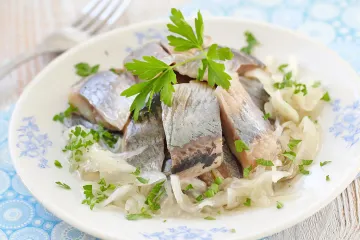
The safety guidelines apply equally to both fresh, frozen, and shelf-stable (canned) fish, provided the fish you choose falls into the low-mercury category. [2][5] For example, pickled fish must also be cooked before eating during pregnancy unless it is shelf-stable, commercially canned, and safe to eat straight from the container. [8]
When comparing wild-caught versus farmed fish, the mercury concern is slightly different. Farmed fish often have a different fatty acid profile and may have lower levels of certain environmental contaminants compared to their wild counterparts, although this depends heavily on the farming practices and the feed used. [3] If you are concerned about mercury, looking for farmed salmon, for example, can sometimes be a path toward a very reliable, low-risk, high-DHA meal, provided you trust the certification standards of the farmed product. [4]
Ultimately, making informed choices about fish intake during pregnancy is about consistency and knowledge. By selecting fish wisely—sticking primarily to the smaller, shorter-lived species—and ensuring they are thoroughly cooked, you provide your baby with powerful nutrients while keeping exposure to mercury extremely low. [1][3][5]
Related Questions
#Citations
Pregnancy and fish: What's safe to eat?
Fish & Pregnancy: What is Safe to Eat? - Healthy Children
Advice about Eating Fish
Mercury Levels in Fish - Safe Fish for Pregnancy
What Fish Is Best to Eat During Pregnancy?
Fish in Pregnancy | Smoked Salmon, Tuna, Sushi & More
Can You Eat Seafood While Pregnant?
Foods to avoid in pregnancy