How do you treat stargazer fish bite?
Stargazer fish might not immediately come to mind when listing the ocean’s most notorious inhabitants, but these creatures, masters of camouflage lurking just beneath the sand, pose a unique dual threat: a painful venomous puncture and, in some species, a startling electric jolt. An encounter with a stargazer, often accidental when wading or stirring up the bottom substrate, requires swift and appropriate first aid. Understanding the nature of the injury—which is usually a sting from a spine rather than a true bite—is the first step toward effective management.
# Creature Profile
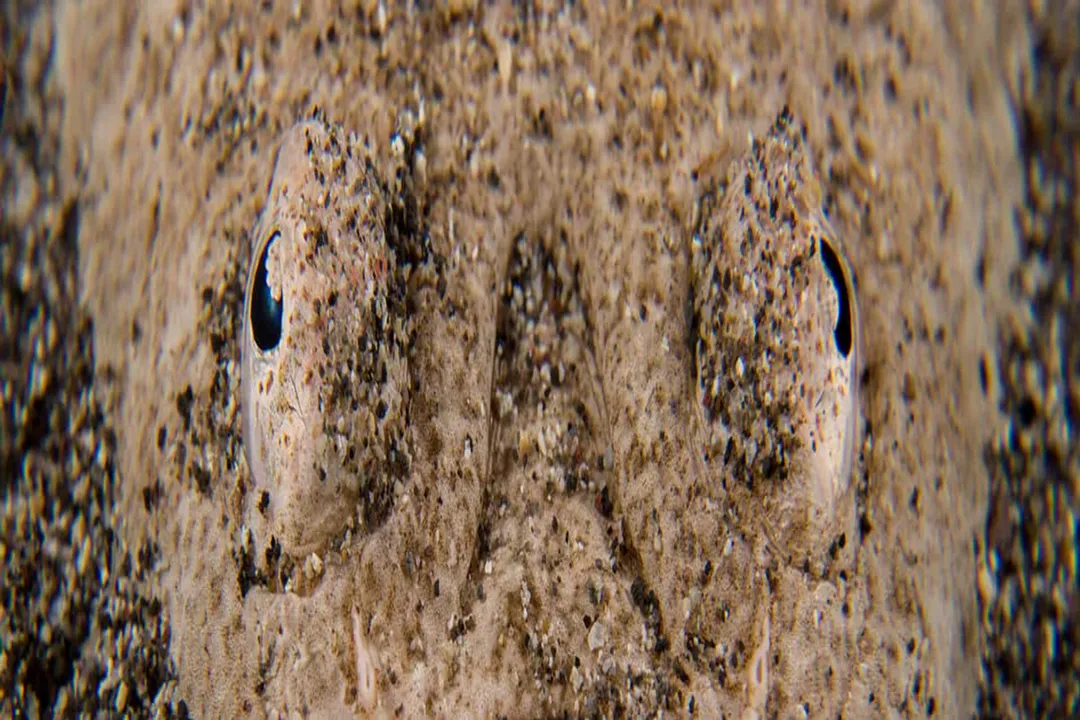
The common name "stargazer" perfectly describes the fish’s most distinguishing feature: its eyes sit directly atop its large, flattened head, appearing to gaze upward at the stars while the rest of its body remains buried in the sand or mud. Members of the family Uranoscopidae, these fish are found globally in various depths, including shallow coastal areas. They are highly specialized ambush predators, relying on this concealment to wait for unsuspecting prey to swim within range. Once a meal is spotted, the strike is incredibly fast, sometimes taking less than 30 milliseconds.
Beyond their eyes, their defense mechanisms are what concern human visitors. Stargazers possess at least two large, venomous spines located near their gill covers and pectoral fins. Furthermore, some species, such as the Southern Stargazer (Astroscopus y-graecum), have specialized defense systems involving modified muscle tissue behind the eyes that can generate an electric shock, sometimes up to 50 volts. This electrical discharge is used to ward off predators, not to stun prey for eating, and it is unique because these fish lack specialized electroreceptors, having evolved the electric organ from eye muscles instead.
# Dual Hazard

When an unfortunate interaction occurs, the resulting injury is a combination of trauma, venom injection, or electrical injury, depending on what part of the fish was contacted. It is important to differentiate the potential causes of distress, as the first aid approach varies significantly, though often overlaps.
# Venomous Spines
The primary risk from an envenomation comes from the venom injected through the specialized spines. Many venomous fish carry these spines on dorsal, pelvic, or anal fins, or the gill covers, as is the case with stargazers. When stepped on or brushed against, the spines can penetrate the skin, releasing their toxic content.
The symptoms reported from stargazer envenomation include immediate, acute pain, redness, and swelling in the affected area. While official, detailed clinical literature on stargazer envenomations can be sparse compared to related species like weever fish, accounts suggest the pain can be intense, leading to secondary effects like shivering, sweating, dizziness, and potentially more serious systemic responses such as shortness of breath or arrhythmia. One user reported an incident causing pain so severe they "saw stars," suggesting a level of intensity comparable to, or worse than, a severe bee sting. However, it is also noted that the venom "won't kill you". Given the ambiguity regarding venom potency and composition, prudence dictates treating it as potentially significant.
# Electric Shock
The electrical component adds a distinct layer of complexity. An electric shock from a stargazer, though nowhere near the power of an electric eel, is described as startling and capable of causing a tingly sensation that can radiate up a limb. A direct hit, such as a knee coming down on one, was described as feeling like being hit in the jaw, causing immediate incapacitation and alarm. In water, the unexpected nature of an electric shock poses an increased secondary risk, as sudden incapacitation could lead to the victim collapsing or drowning.

# Immediate Response
Because the injury may involve venom that is thought to be thermolabile (broken down by heat), speed is crucial for managing the venom's effects.
# Heat Therapy
For injuries involving the venomous spines, the standard immediate treatment mirrors that recommended for similar species like weever fish and scorpionfish.
- Safety First: If the victim is still in the water, assist them to safety immediately. If an electrical shock caused the injury, ensure the source of electricity is removed or you are clear of the water before rendering aid, though this is less likely in a natural setting.
- Immerse in Hot Water: The affected area must be soaked in water that is as hot as the patient can tolerate without causing a burn. The target temperature range is generally cited around to ( to ).
- Duration: This soaking should continue for 30 to 90 minutes, or until the pain significantly subsides. For thermolabile venom components, this heat application helps to denature the toxins and greatly alleviate the intense pain.
# Spine Extraction
During or immediately after the hot water immersion, inspect the wound site carefully for any broken pieces of the spine.
- Removal: Use tweezers or forceps to gently remove any spines or debris that are easily accessible on the surface.
- Caution with Deep Spines: Unlike some other aquatic injuries, deep or fragmented spines should be handled with caution. If a spine is deeply embedded, excessive digging can cause further tissue damage or release more venom, potentially exacerbating the injury. It is often better to stabilize the area and seek medical professionals for deep foreign body removal, especially if there is significant bleeding or deep tissue involvement.
# Managing the Electric Encounter
If the primary complaint is the effect of the electric shock, the approach shifts away from heat and toward stabilization and monitoring.
- Check for Paralysis/Unconsciousness: Evaluate the casualty’s breathing and level of consciousness. If breathing is difficult, call emergency services immediately. Although the shock is generally low voltage, sudden impact or respiratory distress warrants immediate professional assessment.
- Move to Dry Area: Ensure the person is moved to a safe, dry location once they are stable enough to move, although the electrical hazard is usually gone once contact ceases.
- Monitor for Systemic Reactions: Observe closely for signs of systemic effects, such as nausea, dizziness, or arrhythmia, which could be linked to the shock itself or a concurrent envenomation.

# Aftercare and Seeking Care
For any injury involving a marine creature capable of envenomation, medical follow-up is highly advisable, even if initial pain subsides with home care.
# Medication and Infection Control
Following the initial stabilization (hot water immersion and spine removal), the wound area needs cleaning and ongoing management.
- Cleaning: Disinfect the area once the heat treatment is complete.
- Inflammation Management: Over-the-counter pain relievers, or prescribed anti-inflammatory medication (steroids or NSAIDs), can be used to manage residual pain, swelling, and redness.
- Tetanus Prophylaxis: As with any puncture wound, it is standard practice to check the victim’s tetanus immunization status and update the shot if necessary.
- Antibiotics: Antibiotics are generally reserved for ascertained secondary bacterial infections rather than being given prophylactically, though protocols may vary based on the depth and severity of the wound.
If you observe signs of infection developing over the following days—such as increasing redness beyond the initial injury, pus drainage, or spreading warmth—consult a physician immediately.
# When to Seek Emergency Aid
While most stargazer injuries seem localized, certain symptoms signal the need for immediate emergency medical services. If the victim exhibits any of the following, emergency help should be sought without delay:
- Difficulty breathing or swallowing.
- Signs of a severe allergic reaction (anaphylaxis), such as widespread rash, throat swelling, or persistent dizziness.
- Systemic symptoms like severe nausea, vomiting, or confusion.
- Uncontrolled pain that does not respond to hot water treatment.
- Deep puncture that may have penetrated bone or hit a major blood vessel.
This is where preparation makes a difference. If you are near the coast and a first aid kit is handy, having instant hot packs can substitute for the difficulty of finding appropriately heated water, as maintaining temperature is key. Furthermore, recognizing the signs of severe systemic reaction is critical, especially for bystanders who might have basic first aid knowledge but lack specific marine toxicology training.
# Marine Relatives
Stargazers are part of a larger group of venomous marine animals, and understanding their relationship helps contextualize the risk. They are distinct from stonefish, often cited as the most venomous fish globally, whose spines cause far more severe and sometimes life-threatening envenomations characterized by excruciating pain and potential tissue necrosis.
Stargazer venom treatment protocols often borrow from those established for weever fish (Trachinidae), which also inhabit sandy bottoms and deliver potent, thermolabile venom that causes severe pain. While weever fish venom has known components that cause rapid pain and tissue damage, the specific toxins in the stargazer remain less documented in the formal medical literature, leading to treatment recommendations based on the analogy of other known thermolabile fish venoms.
In summary, an encounter with a stargazer means assessing two distinct possibilities: a painful puncture from a venomous spine or a jolting shock. For the spine sting, the priority is immediate, prolonged heat immersion to neutralize the toxin and manage the pain, followed by careful debris removal and observation for systemic illness. Always respect the environment, as these well-camouflaged residents are simply defending their home.
Related Questions
#Citations
How bad are Stargazer stings/shocks? : r/Fish - Reddit
The Dos and Don'ts for Treating Aquatic Stings - - SDI | TDI
Venomous Bites, Stings and Poisoning by European Vertebrates as ...
Venomous Fishes | CPR First Aid
Envenomation by Aquatic Vertebrates | Anesthesia Key
Stargazer Fish: The Ugliest Fish - Siladen Snorkeling & Dive Resort ...
Stargazer - Navesink Maritime Heritage Association
Southern Stargazer - Texas Saltwater Fishing Magazine
Sea creature bites and stings | healthdirect