What's healthier, carrots or butternut squash?

When balancing your plate, the choice between a vibrant orange carrot and a creamy butternut squash often comes down to preference, but their nutritional profiles present an interesting comparison. Both are nutritional heavyweights in the vegetable world, rich in vibrant color that signals high levels of beneficial compounds, yet they offer slightly different packages of vitamins and minerals. [1][2] Understanding these nuances helps tailor your vegetable intake to your specific health goals.
# Nutrient Density
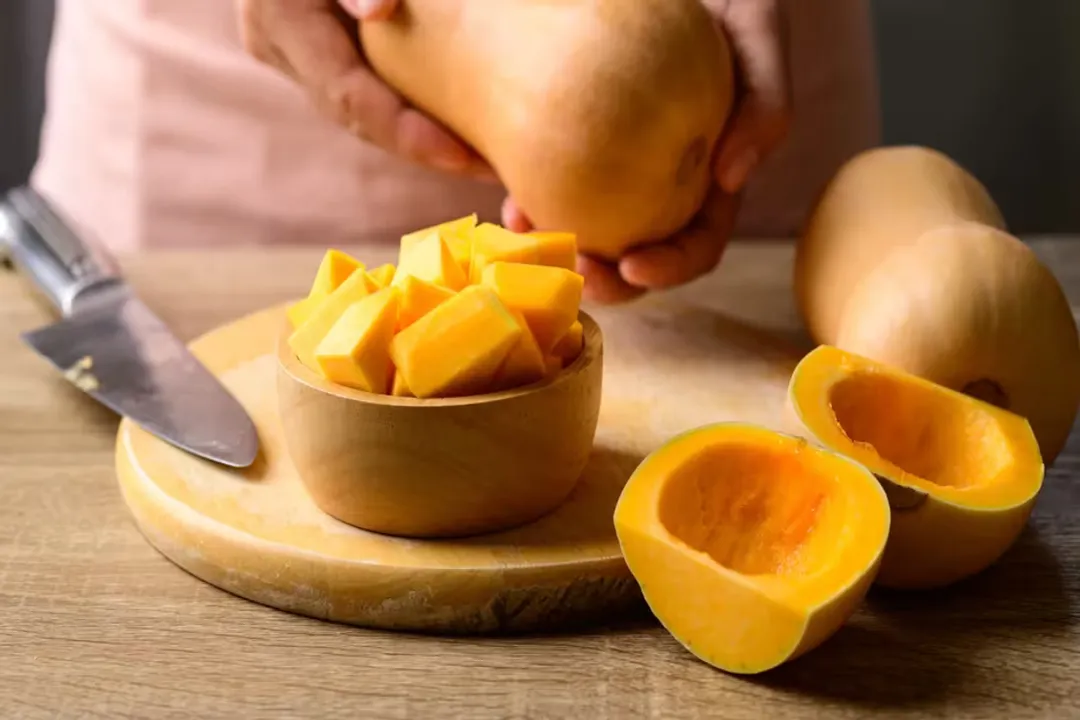
Looking at a standard serving, the differences begin to emerge in their core makeup. Both vegetables are naturally low in calories, making them excellent choices for volume eating and weight management. [1] However, the general consensus is that butternut squash often edges out carrots in terms of overall nutrient density when looking at specific vitamins beyond Vitamin A.
For instance, one area where butternut squash shines is in its Vitamin C content. A serving of squash typically delivers more of this essential antioxidant compared to the same amount of raw carrots. [1][2] Vitamin C is vital for immune function and collagen production. Furthermore, butternut squash tends to be a better source of potassium, an electrolyte crucial for blood pressure regulation and fluid balance. [1][6]
Conversely, carrots are the undisputed champions when it comes to sheer Vitamin A power, primarily in the form of beta-carotene. [1][8] While squash is also loaded with this precursor, carrots often contain higher concentrations. [1] Carrots frequently appear on lists recognizing the healthiest vegetables due to their powerful antioxidant profile, which supports eye health specifically. [3]
A simple comparison of a standard 100-gram serving of raw carrot versus cooked butternut squash (as cooking alters nutrient concentration) often reveals that while squash offers superior Vitamin C and Potassium, carrots deliver a significantly higher punch of Vitamin A. [1][2]
| Nutrient Highlight (Approx. per 100g) | Carrot (Raw) | Butternut Squash (Cooked) | Key Advantage |
|---|---|---|---|
| Vitamin A (IU/mcg RAE) | Very High | High | Carrot [1][8] |
| Vitamin C | Moderate | Higher | Squash [1] |
| Potassium | Moderate | Higher | Squash [1][6] |
| Fiber | Similar | Similar | Tie [1][2] |
This isn't a scenario where one is universally "better"; rather, it’s about choosing the right tool for the nutritional job. If you are consciously boosting your intake of potassium or Vitamin C, the squash makes a strong case. If Vitamin A is the primary target, the carrot leads the way. [1]
# Vitamin A Focus
The intense orange hue shared by both vegetables is a direct result of beta-carotene, which the body converts into Vitamin A. Vitamin A is critical for vision, immune function, and cellular growth. [6] Given that both are famous for this nutrient, it is interesting to note the fine distinctions.
While both are fantastic sources, some resources indicate that certain foods contain even higher levels of Vitamin A than butternut squash. [8] This often means that while the squash is excellent, carrots—a classic source of beta-carotene—maintain a competitive edge in delivering this specific vitamin per serving. [1] It’s worth remembering that the body only converts as much beta-carotene as it needs, so consuming both guarantees a substantial intake without the risk of toxicity associated with preformed Vitamin A supplements. [6]
# Digestive Health
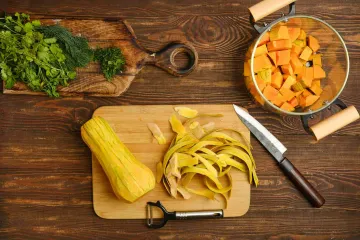
Both carrots and butternut squash contribute positively to digestive wellness primarily through their fiber content. Fiber is essential for maintaining regular bowel movements and feeding beneficial gut bacteria. [1][2] In terms of crude fiber content, they are remarkably similar, though preparation can play a role.
For general gut support, eating raw carrots provides maximum insoluble fiber, which adds bulk to stool. However, for individuals needing easier digestion or those managing certain gut sensitivities, cooked butternut squash can be preferable. Cooking breaks down some of the fiber structure, making the squash softer and generally less taxing on the digestive system while still offering plenty of beneficial soluble fiber. [4]
# Heart Benefits
When looking at foods supporting cardiovascular health, both orange vegetables fit the bill, though through slightly different mechanisms. Butternut squash is often specifically highlighted for its positive impact on heart health. [9] Its combination of potassium and fiber works together to help manage blood pressure and cholesterol levels. [6]
Carrots also support heart health through their high antioxidant capacity, which helps combat oxidative stress in the cardiovascular system. [3] For someone building a heart-protective diet, incorporating both vegetables ensures a diverse intake of protective compounds, fiber, and minerals like potassium that manage fluid balance. [9] Considering a staple like butternut squash can be easily roasted and added to many meals throughout the fall and winter, it offers a very accessible way to consistently support heart health when it’s in season. [6]
# Cooking Impact
How you prepare these vegetables significantly alters their nutritional accessibility and overall impact on your body. This is a critical factor when deciding which one to include in a specific meal.
The general rule for many carotenoid-rich vegetables is that cooking them, particularly with a small amount of fat, increases the bioavailability of nutrients like beta-carotene. [4] This means your body can absorb and use more of the Vitamin A precursors when the vegetable is heated.
For carrots, while eating them raw provides a satisfying crunch and maximum insoluble fiber, steaming or roasting them can make the beta-carotene more available. [4] Similarly, butternut squash is almost always consumed cooked, which not only softens its dense texture but also unlocks its nutritional potential more effectively than eating it raw. If you are aiming to maximize Vitamin A absorption for eye health, a quick steam or light roast is preferable for both vegetables over eating them completely raw. [4]
This observation leads to a practical consideration for meal prepping: while a raw carrot stick is a fantastic, quick snack providing immediate fiber, a batch of roasted squash provides a highly bioavailable nutrient bomb ready to be added to salads or served as a side for days afterward. [4]
# Seasonality and Storage
Thinking about when you eat these vegetables also influences their overall health contribution to your diet. Carrots are available year-round with relatively consistent nutrient levels, stored efficiently in refrigerated conditions. [1]
Butternut squash, however, is traditionally a fall and winter crop. One distinct advantage of squash is its incredible shelf life when stored properly in a cool, dark place—it can last for several months. [6] This long storage capability means that a single purchase can provide consistent nutrition across the leanest vegetable months. Thinking about your local growing seasons, this storage advantage means that relying on squash during the colder months is a very stable nutritional choice, whereas fresh, non-storage carrots might fluctuate more in local availability or quality depending on import chains. [6] This long-term storage potential offers an "always available" source of Vitamin C and potassium when other fresh options might be scarce.

# Integrating Them Wisely
Neither vegetable needs to be relegated to a "less healthy" category; they simply offer different strengths. A truly well-rounded diet benefits from consuming a wide spectrum of colorful produce.
If you are focusing on an endurance activity or need sustained energy from complex carbohydrates, both are excellent choices due to their moderate sugar and ample fiber content. [1][2] If you are looking to diversify your antioxidant intake—making sure you get Vitamin C from squash alongside the beta-carotene from carrots—rotating them through your weekly meals is the best strategy.
A simple way to ensure you are getting the best of both worlds without overthinking it is to combine them. A root vegetable hash featuring both diced carrots and cubed squash, lightly sautéed in olive oil (to aid fat-soluble vitamin absorption), marries the superior Vitamin A content of the carrot with the Vitamin C and potassium boost from the squash into one satisfying, nutrient-dense dish. This preparation method addresses the cooking requirement for better absorption while ensuring a broad spectrum of benefits in a single serving.
Related Questions
#Citations
Butternut Squash vs Carrot: What is the difference? - Versus
Squash Vs Carrots - Nutrition Comparison - Souper Sage
Top 20 healthiest vegetables - BBC Good Food
5 Veggies That Are Healthier Cooked Than Raw - Runner's World
Which is more nutrient dense, carrots or butternut squash? - Facebook
4 Butternut Squash Benefits - Cleveland Clinic Health Essentials
Did you know that butternut squash and carrots are considered ...
6 Foods With More Vitamin A Than Butternut Squash - Health
Cardiovascular wellness with heart-healthy vegetables