What genus of tapeworm is most frequently associated with freshwater fish consumption?
Answer
Diphyllobothrium
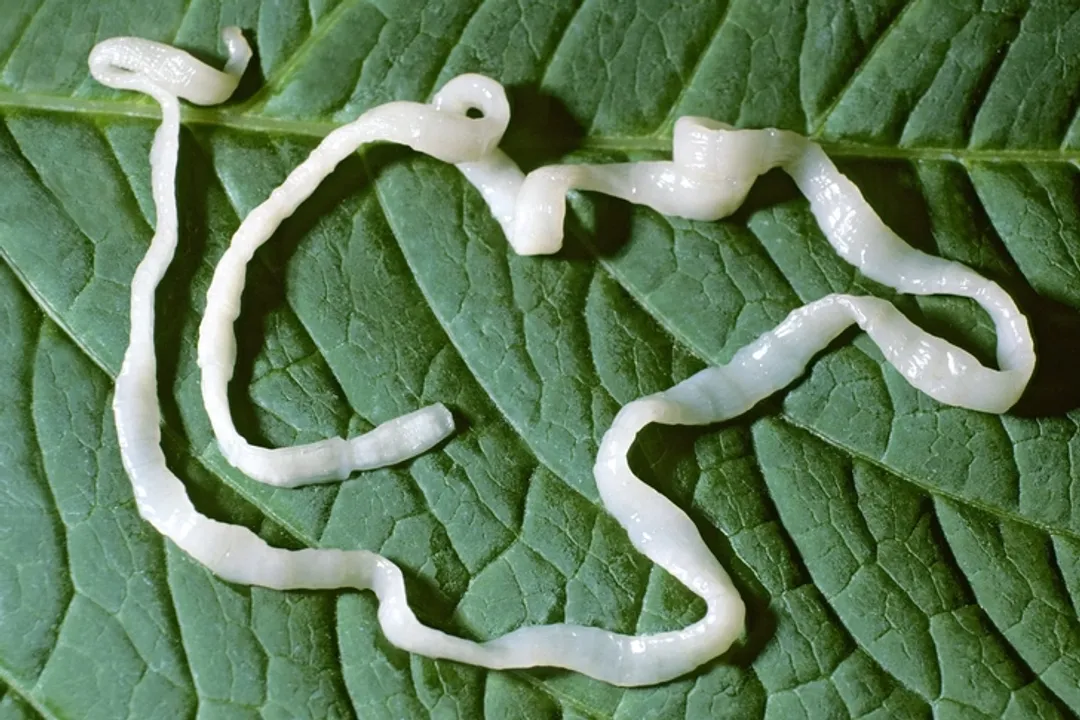
The parasite genus most often connected with the risk associated with consuming raw or undercooked fish is Diphyllobothrium. While other animals harbor tapeworms, the specific concern within seafood consumption, particularly freshwater species, points directly to this genus. The most commonly cited species within this genus that poses a risk to humans is *Diphyllobothrium latum*, often referred to as the broad fish tapeworm. This distinction is important because it differs clinically from the infections acquired through consuming undercooked pork or beef.
Related Questions
What genus of tapeworm is most frequently associated with freshwater fish consumption?What specific nutrient does the adult *Diphyllobothrium* tapeworm exhibit an appetite for?What type of anemia results from the long-term Vitamin B12 deficiency caused by fish tapeworm?What is the primary diagnostic tool for identifying a fish tapeworm infection?What standard medication is prescribed to eradicate the adult *Diphyllobothrium* worm?What minimum internal temperature is often cited for thoroughly cooking fish to kill the larvae?How long is freezing at -4°F (-20°C) often specified to neutralize larvae in fish intended for raw consumption?How does a human become the definitive host for the *Diphyllobothrium* parasite?What neurological symptoms might arise from the long-term Vitamin B12 deficiency caused by diphyllobothriasis?How does the clinical presentation of fish tapeworm infection contrast with infections like giardiasis?