Is cayenne pepper healthier than other peppers?

The vibrant world of peppers offers a spectrum of heat and flavor, and among the most frequently discussed is the cayenne pepper. While many people associate a fiery kick with health benefits, determining if cayenne is definitively "healthier" than its pepper cousins requires looking closely at what these comparisons reveal about their nutritional makeup. It is not a simple yes or no answer; rather, the distinction often lies in concentration and specific use cases, which might make cayenne a more potent choice in certain contexts compared to broader categories like general red chili peppers or even its close relative, paprika. [1][3]
# Nutrient Snapshot Comparison

When we place cayenne side-by-side with other raw red chili peppers, the nutritional differences, though present, are often nuanced, as both stem from the Capsicum annuum species. [1] Data comparing cayenne spice against raw red chili peppers shows similarities in many areas, but subtle shifts in micronutrient concentration can occur based on drying, processing, and the specific variety used. [1] For instance, the comparison might show that cayenne powder, being a dried, ground product, has a different nutrient density per gram than a raw chili pepper. [1]
Considering paprika, which is often made from dried, ground Capsicum annuum varieties (sometimes milder ones), cayenne generally stands out in certain areas relevant to its heat. [3] Paprika and cayenne often share high levels of Vitamin A and Vitamin C, but the difference often hinges on the specific cultivar chosen for each spice. [3] If the cayenne variety used for grinding is naturally hotter, it implies a higher concentration of the compounds that contribute to both the heat and some of the reputed health effects, namely capsaicinoids. [3]
| Nutrient (Per 100g, Example) | Cayenne Pepper (Spice) | Red Chili Pepper (Raw) | Paprika (Spice) |
|---|---|---|---|
| Vitamin A | High | High | High |
| Vitamin C | Variable | High | Variable |
| Capsaicin Content | High | Variable | Low to Moderate |
| Iron | Present | Present | Present |
A key piece of context missing from simple side-by-side lists is the amount you would actually use. If you are aiming for a very spicy dish, you will use less cayenne than you might use of a milder chili powder to achieve the same Scoville level. This means that for the heat component you are seeking, the cayenne delivers a more concentrated dose of its active ingredients per pinch. [1]
# Cayenne's Core Value
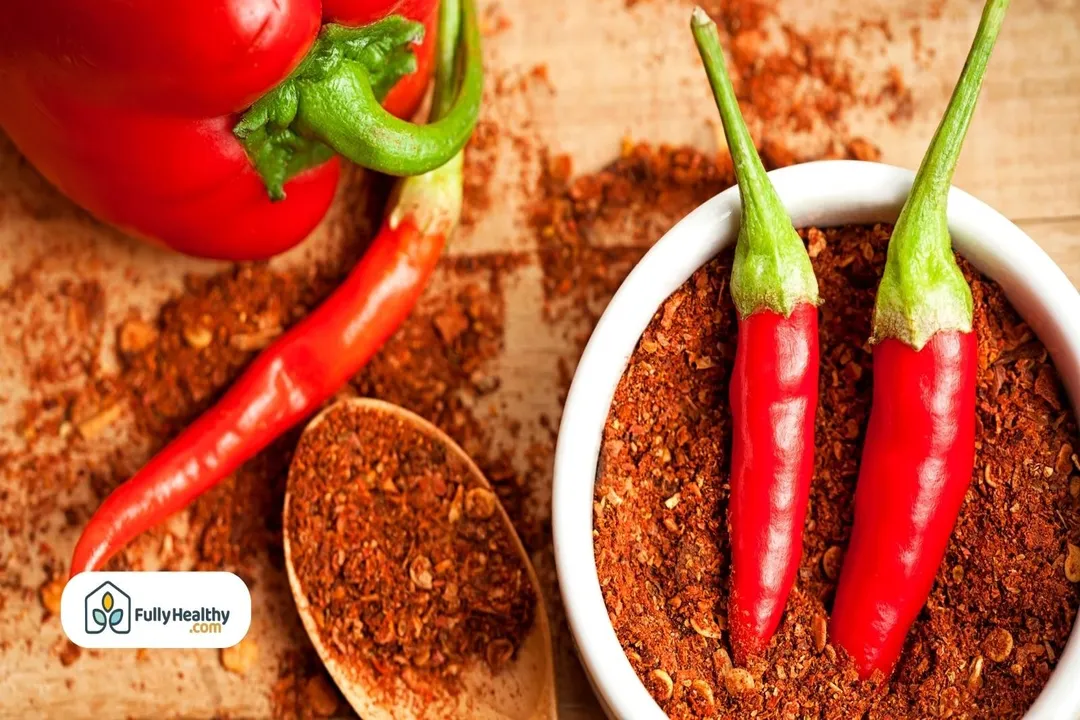
The primary reason cayenne pepper holds such prominence in health discussions revolves around capsaicin, the compound responsible for its fiery sensation. [2][5] This alkaloid is what drives many of the potential wellness advantages attributed to the pepper. [5] WebMD notes that capsaicin is what gives cayenne its most celebrated medicinal properties. [2]
The health benefits attributed to cayenne are wide-ranging. It is often associated with supporting a healthy metabolism and potentially aiding in weight management when incorporated into the diet. [2][5] Furthermore, cayenne intake has been linked to promoting healthy circulation and easing joint discomfort. [5] Some individuals find relief from digestive issues, while others use it to support immune function. [2] Drinking cayenne pepper water is also a practice many adopt, often citing benefits like reduced appetite and a feeling of fullness, which can be helpful for calorie control. [9]
The presence of Vitamin C in cayenne is another strong point, contributing to the body's overall antioxidant defenses. [5] When looking at its traditional use, it’s clear that cayenne has been valued not just as a seasoning but as a functional ingredient for centuries. [5] This historical and consistent association builds a strong case for its recognition as a powerhouse spice. [5]

# Ranking Heat and Health
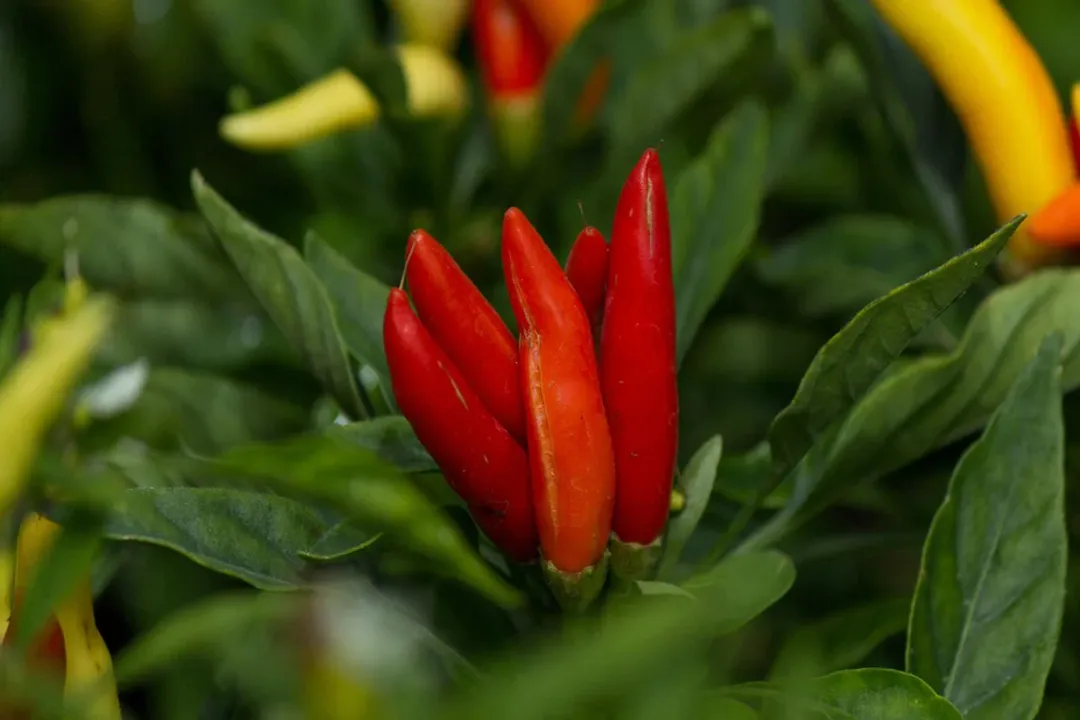
When trying to rank peppers by healthiness, one often ends up ranking them by heat, as heat usually correlates with capsaicin levels. [6] Mel Magazine conducted an exercise ranking various chili peppers, and while the exact ranking shifts based on criteria (e.g., overall nutrition vs. specific compound concentration), the intense heat of varieties like cayenne often places them high on lists focused on metabolism support or anti-inflammatory potential due to their significant capsaicin load. [6]
It is helpful to remember that the Scoville Heat Unit (SHU) scale is a measure of pungency, which directly relates to the amount of capsaicin present. [6] Therefore, a pepper that registers higher on the SHU scale—like cayenne when compared to a bell pepper or even some milder chilies—is generally delivering a higher concentration of that active compound. [6] If your goal in consuming pepper is to maximize capsaicin intake for its specific associated benefits, reaching for the hotter variety is the most direct approach. [6]
It’s worth noting that public perception often reinforces cayenne’s reputation. On online forums, people frequently express belief in cayenne's inherent health advantages, often citing its perceived ability to "boost" various bodily functions, even if the exact mechanism remains complex. [4] This widespread belief suggests a strong, ingrained cultural trust in its efficacy as more than just a culinary item. [4]
# Distinguishing Pepper Products
To maintain a clear perspective on cayenne’s health profile, it is essential to understand what it is not. Cayenne pepper is not the same thing as chili powder. [8] Chili powder is typically a blend of spices that includes ground cayenne pepper along with other ingredients like cumin, oregano, and sometimes salt. [8] Because chili powder is a mixture, its nutritional profile and capsaicin concentration will be diluted compared to pure ground cayenne pepper. [8] When seeking the specific health benefits associated with cayenne, choosing pure cayenne powder over a generic chili blend is necessary to ensure you are getting the intended concentration of active ingredients. [8]
In the gardening community, there is also appreciation for the specific traits of cayenne plants themselves. Growers often select for specific characteristics like yield or heat retention, confirming that cayenne is viewed as a distinct and valuable cultivar, not just a generic "hot pepper". [7] This specialization in growing reflects an understanding that its unique profile offers something specific that other peppers might not. [7]

# Practical Application and Focus
Considering the evidence, while other peppers certainly offer vitamins like A and C, cayenne often takes the lead when the desired health goal is tied directly to the concentration of capsaicinoids. [2][3][6] If you are looking to incorporate its benefits into your daily routine, the manner of consumption matters. For example, adding a small dash of cayenne to your morning smoothie or incorporating it into hot water might be a gentler way to introduce the spice than seasoning a large meal heavily. [9]
Here is a simple framework for choosing based on your goal:
- If your primary goal is Vitamin A/C intake: Any colorful, raw red chili pepper will provide excellent nutrition, as they are often very rich in these vitamins. [1][3]
- If your goal is high capsaicin concentration for metabolic support or heat: Pure ground cayenne or hotter peppers are the most direct path due to their inherent concentration of capsaicinoids. [2][6]
- If you are using a pre-made seasoning: Ensure you are using pure cayenne and not a chili powder blend, which will dilute the beneficial compounds you are aiming for. [8]
As a practical tip, when first experimenting with the benefits of capsaicin, consider the preparation method. Infusing cayenne into a liquid, like the aforementioned cayenne water, might lead to a different rate of absorption compared to consuming it bound up in the fiber of a raw pepper, potentially making the former gentler on sensitive stomachs while still delivering the active ingredients. [9] Think of it this way: consuming a small amount of concentrated heat regularly is an easy way to keep your intake consistent, much like adding a tiny, measured amount of a potent supplement to your diet rather than relying on the variable amount found in a mixed vegetable dish. [2][5] Ultimately, cayenne pepper earns its reputation by delivering a powerful dose of its signature compound, making it arguably the most potent option when capsaicin is the target nutrient, even if other, milder peppers might edge it out in one or two specific vitamin metrics on a per-gram comparison. [1][3]
Related Questions
#Citations
Cayenne pepper vs. Chili pepper — Health Impact and Nutrition ...
Health Benefits of Cayenne Pepper - WebMD
Why do people believe "Cayenne Peppers" are superfoods ... - Reddit
More Than A Spice - The Health Benefits of Cayenne | Vive Organic
Ranking Types of Chili Peppers by How Healthy They Are
Love cayenne pepper! This is why I pick them green. - Facebook
Is Cayenne Pepper the Same as Chili Powder? Key Differences
Benefits of Cayenne Pepper Water: Should You Drink It?