What fish to avoid with a shellfish allergy?
Navigating a shellfish allergy presents a unique set of challenges, often leading to the very understandable, but sometimes overly cautious, question: Do I need to avoid all fish too? The world of seafood is broad, and confusion between finned fish and shellfish is common, not just among the public, but sometimes even in food preparation environments. The simple answer is complex, hinging entirely on whether you have an allergy to shellfish only, or if you have a separate, co-existing allergy to finned fish.
# Defining Seafood Types
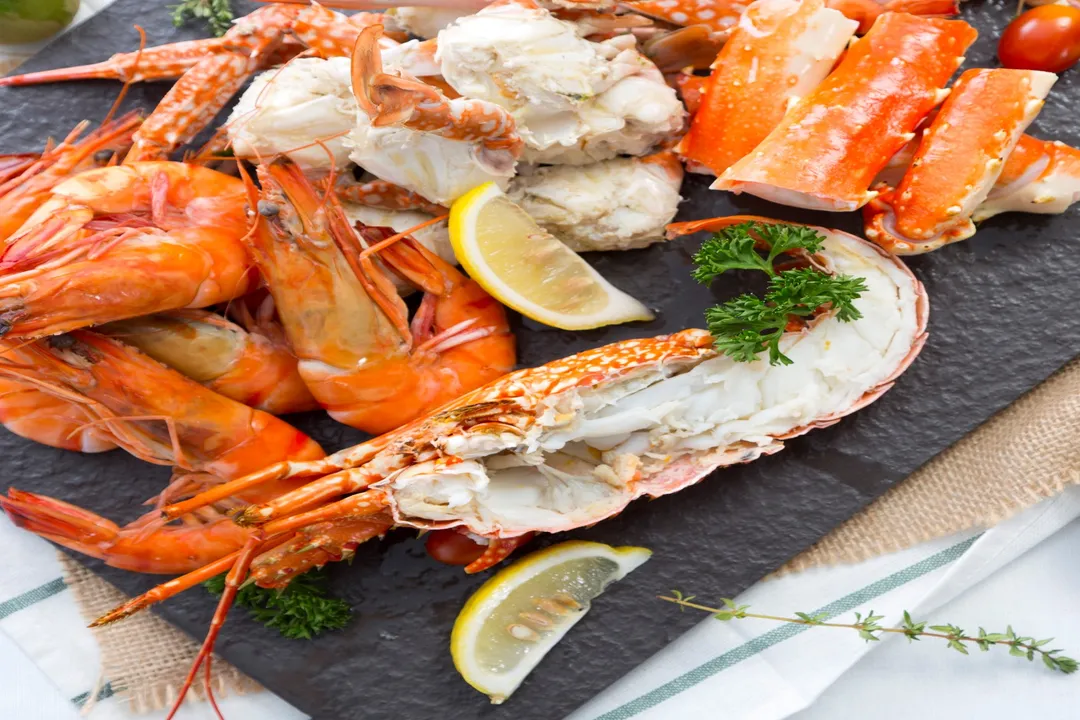
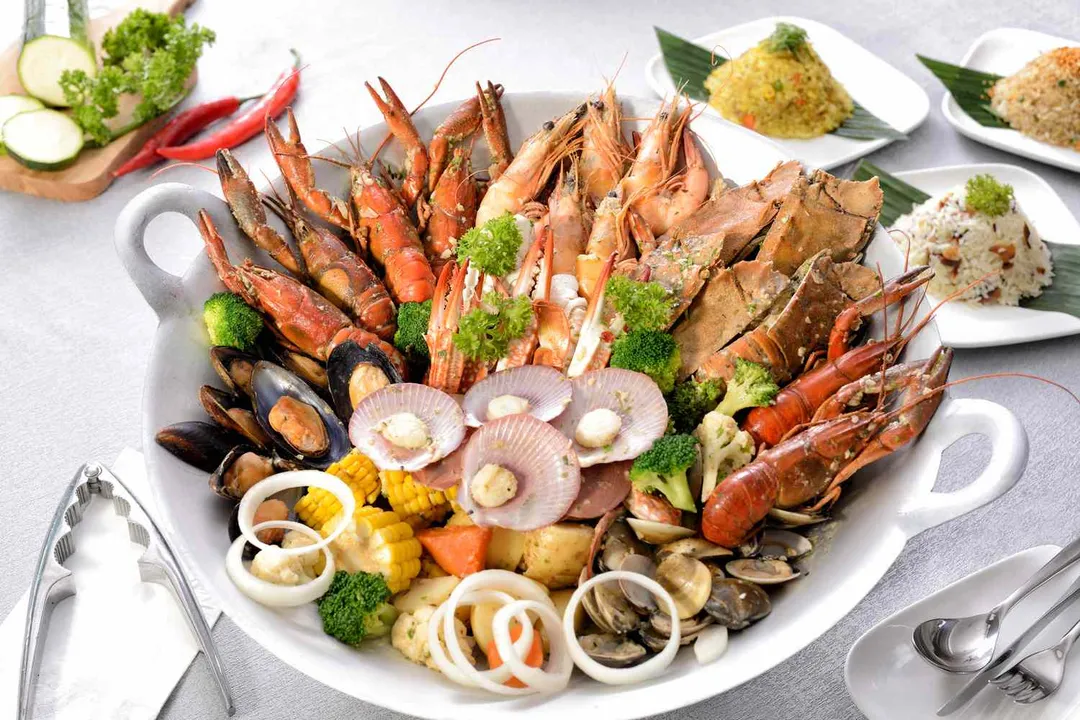
To manage this diet effectively, clarity on terminology is essential. Seafood encompasses two main, distinct categories when discussing allergies: shellfish and finned fish. Shellfish are aquatic animals characterized by having a shell-like exterior, and they are further subdivided into two groups: crustaceans and mollusks.
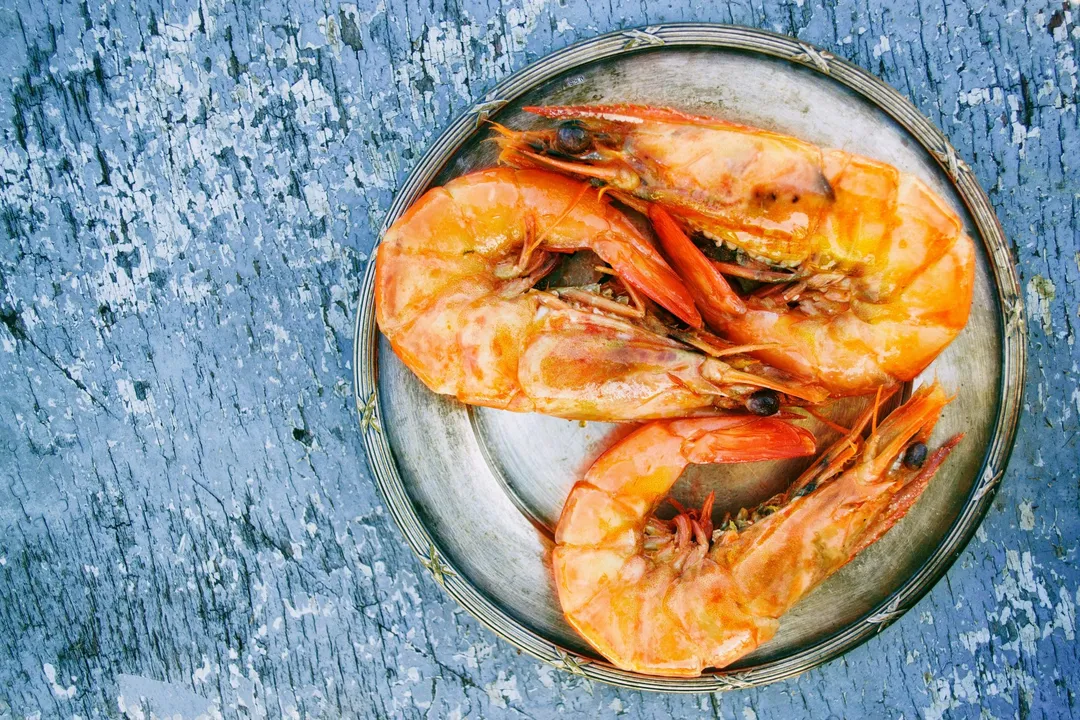
Crustaceans are aquatic animals that possess jointed legs and a hard shell, lacking a backbone. This group is often responsible for the most frequent allergic reactions. Common crustaceans include:
- Shrimp and Prawns
- Crab
- Lobster
- Crayfish (also known as crawdads or écrevisse)
- Langoustines
Mollusks have a broader classification and can be split into bivalves, gastropods, and cephalopods. While historically, reactions to crustaceans are more common, many individuals with a shellfish allergy react to mollusks as well, leading to the general advice to avoid all shellfish once diagnosed. Examples of mollusks include:
- Clams (including cherrystone, littleneck, pismo, and quahog)
- Mussels
- Oysters
- Scallops
- Squid (calamari) and Octopus
- Snails (escargot, both sea and land varieties)
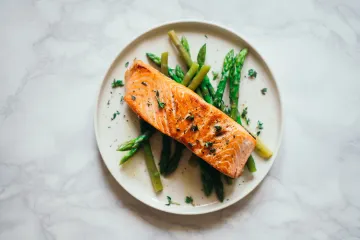
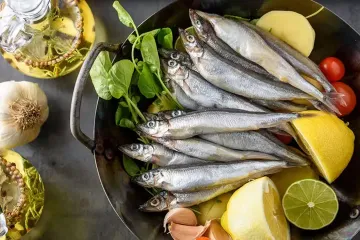
In contrast, finned fish are entirely different animals. They have bones and fins, unlike shellfish. Common finned fish include salmon, cod, tuna, trout, halibut, and flounder. An allergy to finned fish is considered a separate seafood allergy from a shellfish allergy.
# Finned Fish Safety
The critical piece of information for someone with a known shellfish allergy is whether they must adhere to a complete "no seafood" diet. According to established medical understanding, there is generally no evidence suggesting that a shellfish allergy automatically means a significantly higher risk of being allergic to finned fish.
People can be allergic to shellfish but safely eat fish, or vice versa. When an allergy exists to both, it is often a coincidence rather than a direct result of cross-reactivity—where proteins in one food are similar enough to trigger a reaction from the other food's allergen.
The allergenic proteins differ between the two groups; for instance, the primary allergen in shellfish is often identified as tropomyosin, whereas the main allergenic protein in finned fish is often parvalbumin. This biochemical difference underpins why one allergy doesn't automatically predict the other. Because these proteins are different, separating the avoidance protocols is often possible and beneficial for nutritional diversity, provided a clear diagnosis is made. If you suspect you might be allergic to finned fish in addition to shellfish, consulting a doctor for specific testing is necessary. Some reports indicate that some children allergic to shellfish may also be allergic to fish like salmon or tuna, so personal medical guidance must be followed above generalized advice.
A helpful way to frame this is to consider the protein profile. Since the key culprit protein in fish (like parvalbumin in many common types) is structurally distinct from the main shellfish allergen (tropomyosin), the lack of guaranteed cross-reactivity means that generalizing "seafood avoidance" based only on a shellfish diagnosis might unnecessarily restrict the diet. The goal, as advised by specialists, should be to identify specific confirmed allergens, whether crustacean, mollusk, or finned fish, through proper testing.
# Hidden Fish Threats
The main danger arises when "fish" or "seafood" dishes are prepared using shellfish ingredients or suffer severe cross-contamination. For the individual with a shellfish allergy, the issue isn't avoiding a piece of salmon, but rather avoiding dishes where shellfish is an intended or hidden component, or where cross-contact is unavoidable.
Several items that sound like they should be safe finned fish preparations or standard condiments often conceal shellfish:
- Imitation Seafood Products: Products like Surimi, often used to make imitation crab or lobster meat, can contain ingredients derived from shellfish and should be avoided unless the label clearly excludes them.
- Sauces and Flavorings: This is a major pitfall. Fish sauce or oyster sauce are frequently used in various cuisines, especially Asian dishes. Fish sauce can be made from finned fish, but it is often made with shellfish or shrimp extract. Worcestershire sauce is another condiment requiring label scrutiny, as it can sometimes contain shellfish derivatives.
- Stocks and Broths: Always check the ingredients in fish stock or seafood flavoring used in soups or stews, as they may use shellfish bases.
- Specific Prepared Dishes: Many international and regional dishes are inherently mixtures of fish and shellfish. These are prime examples of where you must exercise extreme caution or abstain entirely when dining out:
- Paella (Spanish rice dish, usually with shrimp)
- Gumbo (Often contains fish and shellfish stew components)
- Jambalaya (Cajun rice dish frequently including shrimp or crawfish)
- Bouillabaisse (A French fish soup that traditionally includes shellfish)
- Ceviche (Can be prepared with fish or shellfish in a citrus marinade)
- Fritto Misto (Mixed fried items, often including shellfish)
- Etouffee (Cajun crawfish dish)
Even items like sushi can be a concern, as cross-contact on cutting surfaces or the presence of imitation crab (Surimi) means vigilance is required. Furthermore, one specific finned fish product that raises caution is anchovies—a finned fish—which are often found in Caesar salads and dressings and contain a protein similar to shellfish protein, warranting discussion with an allergist.
# Label Literacy
Understanding food labeling laws is crucial, especially because the rules differ between shellfish types. In the U.S., the Food Allergen Labeling and Consumer Protection Act (FALCPA) mandates that crustacean shellfish must be clearly declared on pre-packaged food labels, either in the ingredient list or in a separate "Contains: Shellfish" statement.
However, mollusks are generally not required to be listed under FALCPA in the same mandatory way as crustaceans. This means that if a product contains clams or oysters (mollusks), the manufacturer is not federally required to specifically call out "shellfish" as an allergen, though they should list the ingredient by its common name (e.g., "Oyster Extractives"). This regulatory gap means that meticulous label reading is required for mollusks, even if crustaceans are clearly declared.
When reading labels, also be mindful of advisory statements like "may contain shellfish" or "processed in a facility that also processes shellfish." These are voluntary, not regulated by the FDA, and can be ambiguous regarding the actual level of contamination present.
# Restaurant Risks
When dining outside the home, the risk shifts from hidden ingredients to cross-contamination (or cross-contact). Seafood restaurants are universally flagged as high-risk environments. In these settings, equipment, fryers, and preparation surfaces are frequently shared between finned fish, crustaceans, and mollusks.
For example, chips or fries might be cooked in oil that was previously used to fry scampi (a type of lobster/crustacean). Even if you order a safe finned fish dish, the shared grill or fryer can transfer enough protein to trigger a severe reaction.
For individuals confirmed to be allergic only to shellfish but who feel confident eating finned fish, implementing a Seafood-Safe Zone at home is a highly actionable step. Since cross-contact can occur from shared utensils or cutting boards, designating specific, color-coded tools—such as a separate blue cutting board only for salmon or cod, and a dedicated small appliance like a rice cooker or air fryer for finned fish—can provide an extra layer of protection against trace shellfish residue, which is a risk even in non-seafood kitchens.
When ordering, always inform the staff about the severity of the allergy and ask detailed questions about ingredients, preparation methods, and shared equipment. Never rely solely on a menu description. In high-risk environments like busy buffets or steam tables containing mixed seafood, complete avoidance is often the safest course.
# Symptom Management and Non-Food Exposure
Regardless of what fish you eat, managing the known shellfish allergy is paramount. Symptoms are typically swift, ranging from mild hives and mouth tingling to severe anaphylaxis, which involves breathing difficulties or circulatory issues. Anaphylaxis is a medical emergency requiring immediate administration of prescribed epinephrine (adrenaline). It is standard practice to always carry two in-date doses of epinephrine, as a second dose may be needed if symptoms persist or recur (a biphasic reaction).
While the focus is often on ingestion, airborne proteins from cooking shellfish (steam from boiling lobsters, for example) can cause reactions in a small, sensitive subset of people.
Beyond the plate, be aware that shellfish proteins, such as chitin from the shell, can appear in non-food items. For example, some glucosamine supplements (used for arthritis) and certain calcium supplements derived from oyster shells must be avoided. If you take supplements or use certain cosmetics, confirm their source with your doctor or pharmacist.
One common misconception to discard is the connection between shellfish allergy and iodine sensitivity. Allergic reactions to shellfish are due to proteins, not the iodine content they contain, and thus, a shellfish allergy does not necessitate avoiding medical procedures involving radiocontrast dye containing iodine. This clarity helps avoid unnecessary anxiety during medical care.
Ultimately, a diagnosed shellfish allergy is typically lifelong, and avoidance remains the only certain prevention method. For those permitted to eat finned fish, this means applying the strict avoidance and cross-contact rules primarily to crustaceans and mollusks, while remaining vigilant about how finned fish might be prepared or presented alongside them. Always discuss your specific allergies and dietary comfort levels regarding finned fish with your allergist after diagnosis.

Related Questions
#Citations
Shellfish allergy - Symptoms and causes - Mayo Clinic
Shellfish Allergy: Causes, Symptoms, Diagnosis & Treatment
Foods to Avoid When You Have a Shellfish Allergy - Verywell Health
Shellfish Allergy Diet - UMass Memorial Health
Fish: A Top 9 Food Allergen | FAACT
[PDF] FOOD ALLERGY FACT SHEET - Athlos Academy of Utah
Crustaceans and molluscs - Food Allergy Canada
Shellfish Allergy | Anaphylaxis UK
When Your Child Has a Food Allergy: Shellfish