Is Atlantic or Pacific fish healthier?
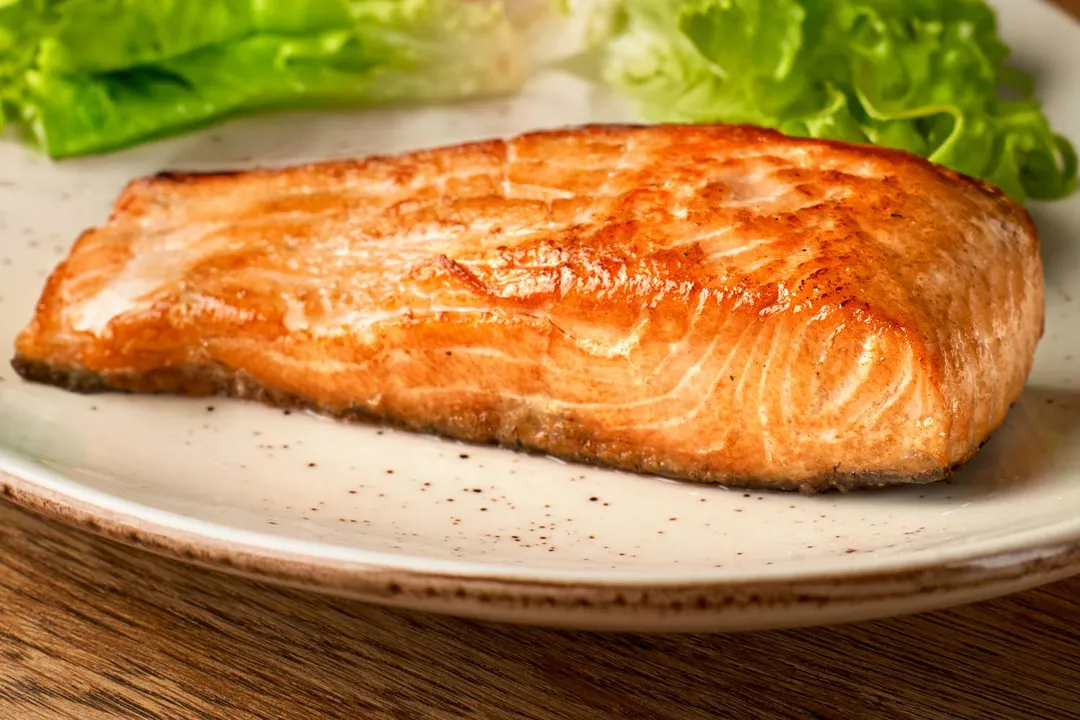
When evaluating the health benefits of fish, the discussion frequently narrows down to a comparison between species found in the Atlantic versus those from the Pacific Ocean, with salmon often serving as the prime example for this aquatic debate. [1][2] Understanding which ocean yields healthier options requires looking past simple geography and examining diet, fat composition, and farming practices. [1][7]
# Fats Compared
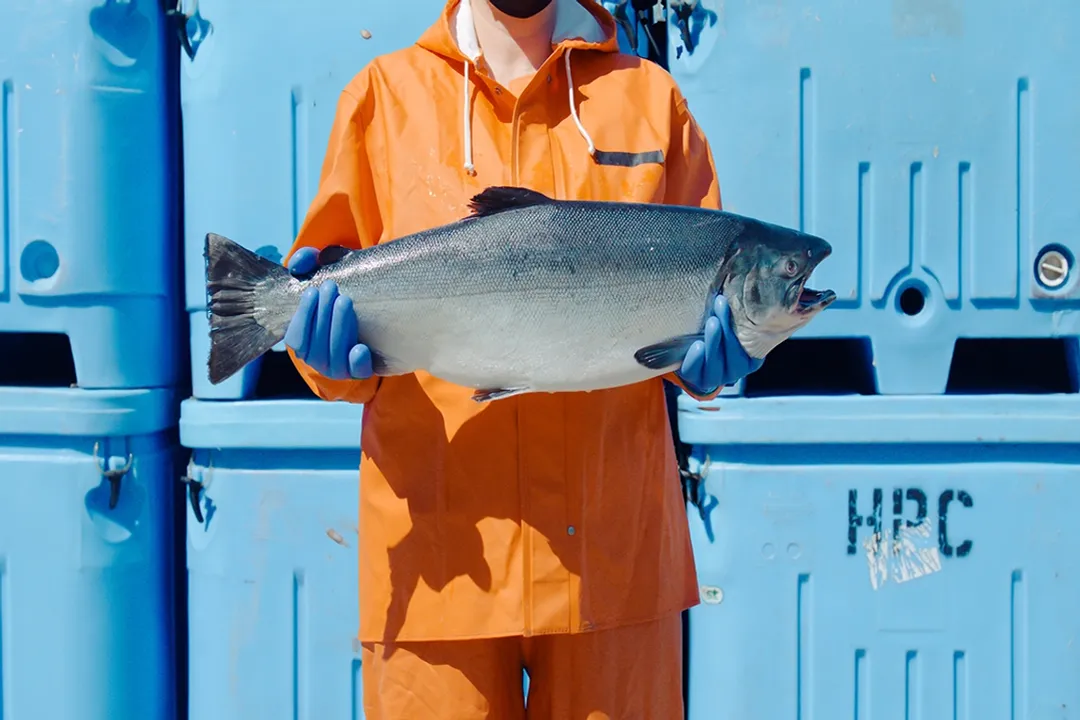
One of the most significant distinctions between commonly consumed fish from these two regions revolves around their fat content and distribution. Atlantic salmon, which is overwhelmingly available today as a farmed product, tends to carry a higher overall fat load when compared to its wild Pacific counterparts. [1][2] For instance, a fillet of farmed Atlantic salmon might contain noticeably more total fat than a piece of wild-caught Sockeye or Coho from the Pacific. [1]
However, simply having more fat is not necessarily the deciding factor; the type of fat matters immensely for human health. [1] If we consider a hypothetical scenario where an Atlantic fillet has 20 grams of total fat and a Pacific fillet has 12 grams, the nutritional story is incomplete without dissecting that fat. [1] The real value lies in the ratio of beneficial polyunsaturated fats, specifically the Omega-3s, against the Omega-6s. [1]
# Fatty Acids
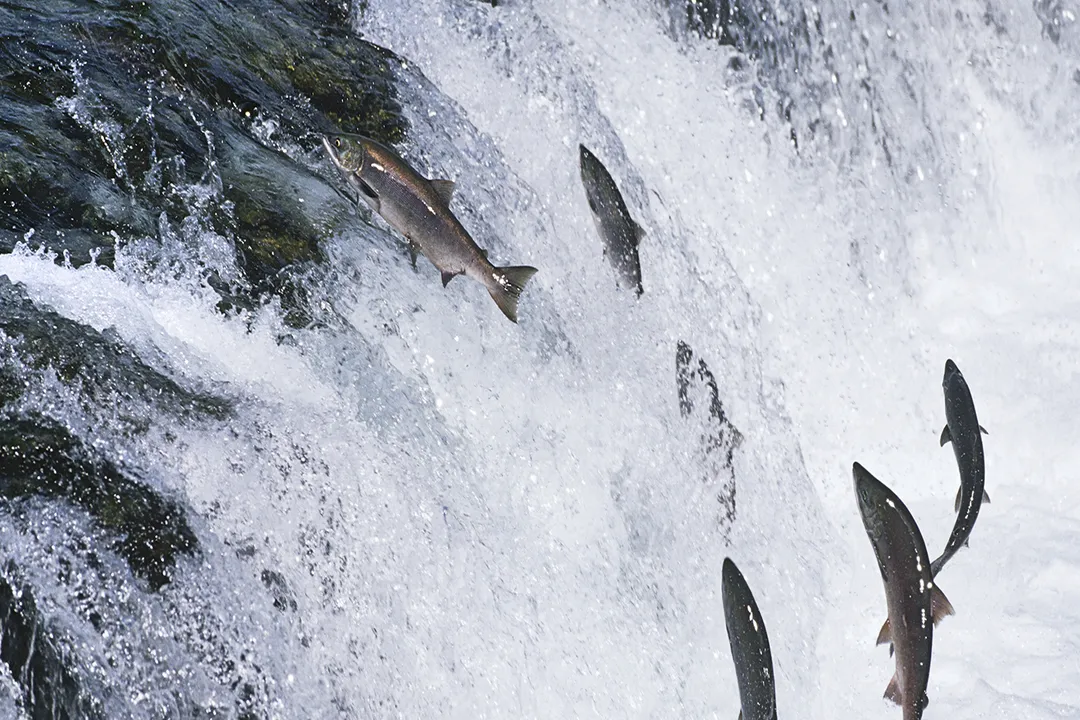
The essential fatty acids, particularly DHA and EPA (types of Omega-3s), are what health experts often point to when recommending fish consumption. [2] Wild Pacific salmon generally excel here because their natural diet—rich in smaller fish, crustaceans, and plankton—provides them with a superior concentration of these beneficial compounds. [1][2] This results in a much more favorable Omega-6 to Omega-3 ratio in the final product we consume. [1]
Farmed Atlantic salmon, while still a good source of Omega-3s compared to many land-based proteins, often contains a higher proportion of Omega-6 fatty acids. [1] This difference stems directly from their feed. A wild fish’s diet is naturally skewed toward the fats we seek, whereas aquaculture pellets often incorporate vegetable oils, which are higher in Omega-6s, thus altering the fish’s fatty acid profile. [7] If you consistently choose the farmed Atlantic variety, you might be getting less of the crucial anti-inflammatory benefits packed into the same-sized serving compared to a wild Pacific catch. [1]
# Diet Impact
The difference in nutritional density between Atlantic and Pacific fish largely boils down to an Experience factor: the lived environment dictates the nutritional makeup. A wild Pacific fish has spent its life foraging for an unpredictable, natural diet. [2] In contrast, the modern, commercial Atlantic salmon exists primarily in controlled farm environments where its diet is standardized for growth and efficiency. [7]
This captive environment is critical. For example, while both can be nutrient-dense, the concentration of astaxanthin, the pigment that gives salmon its pink or red color, is often higher in wild fish because they consume large amounts of krill and shrimp. [3] In farming, this color is usually supplemented artificially into the feed. [7] While color doesn't directly equate to Omega-3 levels, it serves as a marker illustrating the fundamental difference between a wild-foraged diet and a manufactured one. [3]
When looking at the broader Pacific, the types vary significantly, yet maintain a generally wild profile. For example, Chinook salmon are prized for their high fat content among wild fish, often being fattier than Sockeye, but that fat is still predominantly the healthier profile associated with wild diets. [2] This shows that even within the Pacific category, you have internal variety, but the unifying characteristic remains the wild source feeding. [1]
# Safety Check
Beyond macronutrient profiles, consumers naturally wonder about potential contaminants, a factor often associated with both wild and farmed fish depending on oceanic conditions and practices. [5] Issues like PCBs (polychlorinated biphenyls) have been a point of discussion, frequently appearing higher in farmed salmon than in wild salmon. [4]
This is another area where the source origin—ocean vs. farm—becomes the key differentiator rather than the ocean basin itself. Since most Atlantic salmon consumed globally is farmed, concerns about contaminants often get attached to the "Atlantic" label, even if the primary issue is the farming method and the feed used. [7] Fish caught in cleaner, less industrialized waters of the Pacific, being wild, generally present a lower risk profile in terms of accumulated artificial contaminants, though naturally occurring heavy metals are a factor for any large, long-lived ocean predator. [5]
If one were to buy an Atlantic salmon that was wild-caught (which is rare commercially), its health profile would likely align much more closely with wild Pacific fish, showcasing that the Expertise lies in identifying the catch method over the ocean of origin alone. [2]
# Regional Variability
While the salmon comparison is illuminating, the question touches on all fish from both oceans. [5] The Pacific Ocean is vast and borders regions with vastly different ecological conditions, from the frigid Bering Sea to the temperate waters off California. Fish species native to deeper, colder waters—regardless of whether they are Atlantic or Pacific species—tend to store more fat to survive the cold, similar to how wild Pacific salmon retain fat. [5]
For example, deep-sea groundfish caught off the US West Coast (Pacific) may have different contaminant profiles than similar species caught in the North Atlantic, depending on local industrial runoff or historical dumping grounds. [5] The concentration of pollutants like mercury is less about whether the water is called the Atlantic or the Pacific, and more about the fish's position on the food chain and its proximity to pollution sources. [5]
A useful way to view this is through an Editor's Commentary: Think of the ocean like a large, shared pantry. A fish eating from a contaminated corner of that pantry will carry those contaminants, whether that corner is in the Gulf of Alaska or the Norwegian Sea. A fish eating clean, natural prey in both regions will likely be healthier, making the feeding ground more important than the ocean name on the map. [5]
# Choosing Fish
When stocking your kitchen for maximum nutrition, applying context to the labels helps drive better decisions. Instead of stopping at "Atlantic" or "Pacific," try to find out how it lived. [1][2]
Here is a simple breakdown for quick reference, mostly focused on salmon as the most cited example:
| Attribute | Wild Pacific Salmon | Farmed Atlantic Salmon |
|---|---|---|
| Total Fat | Lower | Higher |
| Omega-3 Content | High | Moderate to High |
| Omega-6 Ratio | Favorable (Lower Ratio) | Less Favorable (Higher Ratio) |
| Color Source | Natural Diet | Supplemented Feed |
| Availability | Seasonal/Wild-Caught | Year-Round/Farmed |
For a practical cooking tip: Because farmed Atlantic salmon is generally higher in total fat, it can often handle slightly higher cooking temperatures or longer cooking times without drying out as quickly as a very lean wild Coho salmon. [1] This is a small trade-off in Experience—you might lose a tiny bit of the peak Omega-3 benefit if you overcook it, but its higher overall fat content offers a buffer against drying out during preparation. [1]
Ultimately, while both oceans provide fish that are generally superior to many non-fish protein sources, the scientific consensus points toward wild-caught Pacific salmon as offering the most advantageous nutritional profile due to its superior fatty acid composition driven by its natural diet. [1][2][3]
Related Questions
#Citations
Pacific vs. Atlantic Salmon: Experts Explain the Difference
Pacific Salmon vs. Atlantic Salmon: What's the Difference?
February 27, 2020 What type of salmon is the healthiest to eat?
Is farm raised Atlantic salmon and Pacific whiting (wild caught ...
Which Oceans Have The Healthiest Fish? | John Douillard's LifeSpa
Which is healthier: Atlantic salmon or wild caught Pacific ... - Quora
Farmed Salmon vs. Wild Salmon | Washington State Department of ...
Farmed vs. Wild Salmon: Which is Better? - Oceanfood Sales
Atlantic salmon vs Pacific salmon characteristics - Facebook