What type of anemia results from the long-term Vitamin B12 deficiency caused by fish tapeworm?
Answer
Megaloblastic anemia
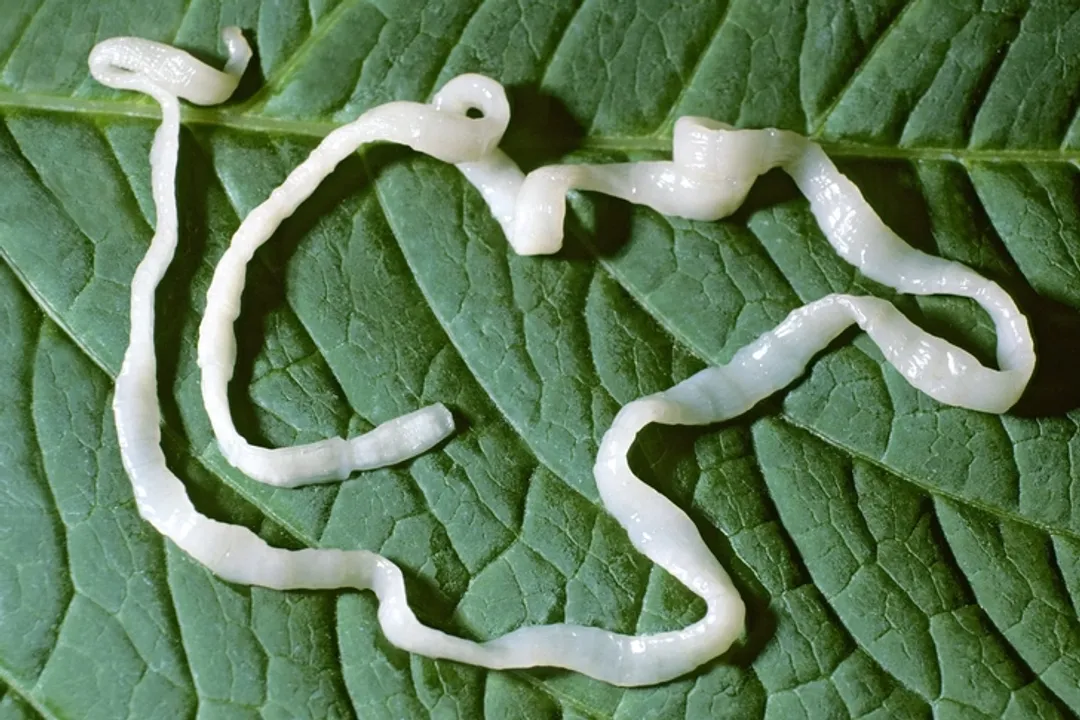
The deficiency in Vitamin B12, caused by the adult tapeworm absorbing the nutrient, directly impacts red blood cell production and maturation within the bone marrow. When Vitamin B12 levels are critically low over an extended period, the body produces red blood cells that are abnormally large, structurally immature, and often fail to function optimally. This specific hematological condition is scientifically defined as megaloblastic anemia. This complication underscores the insidious nature of the infection, as it causes a systemic deficiency rather than just local intestinal irritation.
Related Questions
What genus of tapeworm is most frequently associated with freshwater fish consumption?What specific nutrient does the adult *Diphyllobothrium* tapeworm exhibit an appetite for?What type of anemia results from the long-term Vitamin B12 deficiency caused by fish tapeworm?What is the primary diagnostic tool for identifying a fish tapeworm infection?What standard medication is prescribed to eradicate the adult *Diphyllobothrium* worm?What minimum internal temperature is often cited for thoroughly cooking fish to kill the larvae?How long is freezing at -4°F (-20°C) often specified to neutralize larvae in fish intended for raw consumption?How does a human become the definitive host for the *Diphyllobothrium* parasite?What neurological symptoms might arise from the long-term Vitamin B12 deficiency caused by diphyllobothriasis?How does the clinical presentation of fish tapeworm infection contrast with infections like giardiasis?