Is herring healthier than salmon?
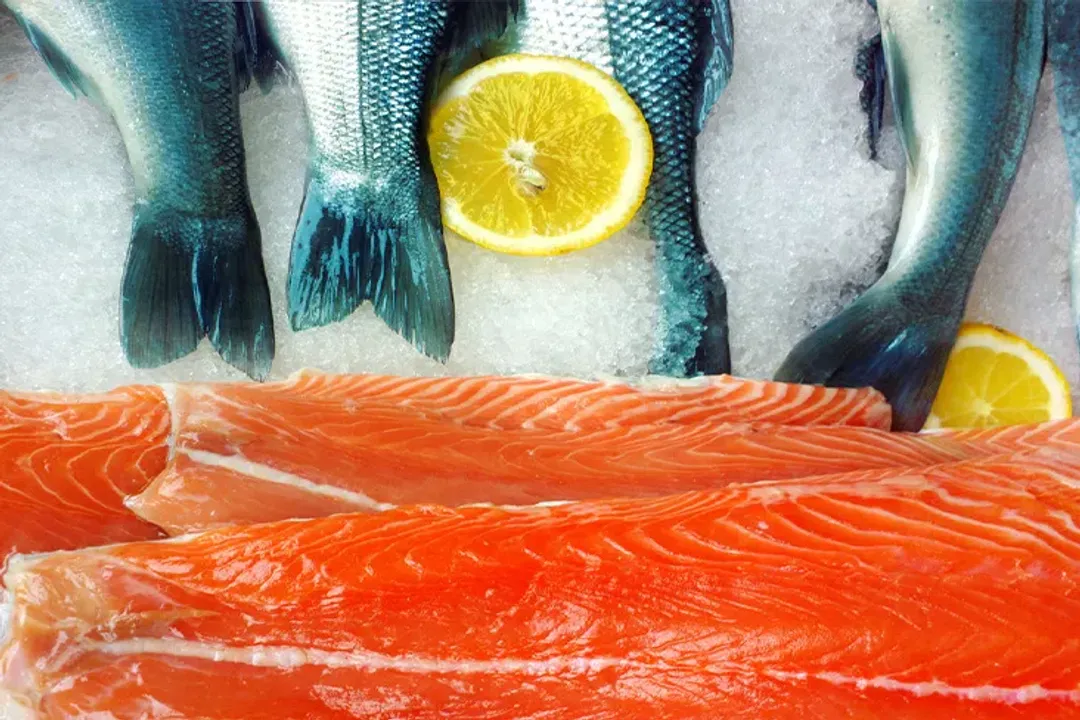
Both herring and salmon occupy revered positions in the world of nutrition, often hailed as poster fish for healthy eating due to their high content of beneficial fats. Deciding which one leads the pack requires looking past the general fame of salmon and examining the specific nutritional merits of both species. [1] While salmon enjoys widespread recognition, herring presents a compelling, often overlooked contender that may surprise many in terms of its nutrient density and accessibility. [4]
# Omega-3s
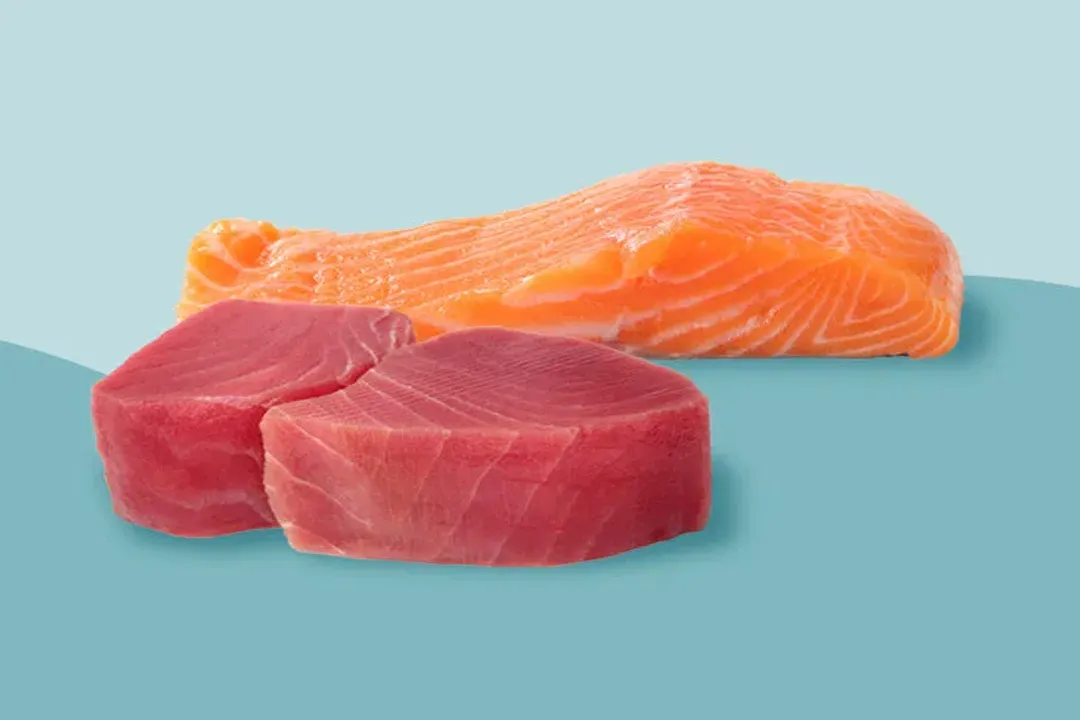
The primary reason both fish receive such praise centers on their significant levels of omega-3 fatty acids, specifically eicosapentaenoic acid (EPA) and docosahexaenoic acid (DHA). [1][6] These essential fats are crucial for heart and brain health, and fatty fish are among the best dietary sources available. [1][6] In general discussions about maximizing omega-3 intake, both fish are excellent choices. [6] For many consumers, the decision between the two might come down to which provides a greater concentration of these vital fats per serving, or which they prefer to eat consistently. [2] A notable finding suggests that herring’s health profile is better than some people previously believed, positioning it strongly against familiar favorites like salmon. [4]
# Nutrient Density
When diving deeper than just omega-3s, the full picture of vitamins and minerals starts to emerge. Salmon is frequently cited as a superb source of vitamin D and B vitamins, including B12. [1] It also provides substantial protein and minerals like selenium. [1] However, herring often matches or even surpasses salmon in certain key areas, particularly when considering smaller, whole fish preparations. For example, herring can be an exceptional source of Vitamin D and is rich in Vitamin B12. [1] If one is seeking maximum mineral impact in a smaller package, certain preparations of herring might deliver slightly higher concentrations of specific micronutrients compared to a standard salmon fillet. This comparison is not always straightforward, as factors like wild-caught versus farmed status drastically influence the final nutrient ratios for both fish. [5]
When considering which fish best supports daily nutritional requirements across the board, it can be helpful to view the comparison through the lens of typical intake goals. If a person aims to meet the recommended two servings of oily fish per week, consistently incorporating the often smaller and more affordable herring could make hitting the total required weekly omega-3 goal simpler than relying solely on larger, more expensive salmon portions. [8] This accessibility factor, tied directly to consistent nutrient delivery, is an important practical consideration that often gets overshadowed by the premium status of salmon. [2]

# Contaminant Levels
A significant concern for regular fish consumers is the potential exposure to environmental contaminants, particularly mercury. [3] Generally, smaller fish species tend to accumulate less mercury than larger predatory fish higher up the food chain. [3] Both salmon and herring are generally considered among the best and safest fish choices regarding mercury content. [1][3] WebMD highlights both as among the best fish to eat, suggesting low contaminant risk, contrasting them with fish like swordfish or king mackerel which are typically advised against or limited due to higher mercury levels. [3] Health guidelines often suggest aiming for two portions of oily fish a week, and both herring and salmon fit comfortably within these safe consumption recommendations. [8]
# Species and Sourcing Context
The term "salmon" covers several species, and "herring" also encompasses various types, which complicates a single comparison. [5] For instance, the nutritional profile of farmed Atlantic salmon can differ from wild Sockeye or Coho salmon. [5] Similarly, the specific herring species consumed—such as Atlantic herring or Pacific herring—can influence nutrient levels. [4] One source, discussing the health attributes of fish like mackerel, notes that experts confirm salmon is healthy but that the superiority of one fish over another often depends on preparation and sourcing. [5] This emphasizes the experience and expertise required in selection; knowing where your fish comes from matters immensely for both sustainability and nutritional assurance. [5]
For instance, the research conducted by Nofima into herring has shown that it possesses properties making it a very beneficial food source, suggesting its profile stands up well against its more famous counterparts. [4] This scientific backing adds authority to the argument for including herring more frequently in one's diet. [9]

# Dietary Choices
When building a varied diet, it's beneficial to rotate protein sources rather than relying on a single one, even if that source is excellent, like salmon. [3] If your primary goal is to diversify your intake of healthy fats and nutrients while keeping potential exposure to any single contaminant source low, rotating between herring, salmon, mackerel, and sardines is a sound strategy. [3]
Consider a simple rotation strategy for regular oily fish intake:
- Week 1: Salmon (e.g., 6 oz serving)
- Week 2: Herring (e.g., two smaller 3 oz servings)
- Week 3: Mackerel or Sardines
- Week 4: Salmon (e.g., 6 oz serving)
This approach naturally incorporates the benefits of both fish while minimizing dietary monotony. This type of planning moves beyond simply asking which is "better" and instead focuses on building a sustainable pattern of high-quality nutrition, an insight often shared by nutritionists who prioritize dietary adherence over minute nutrient superiority in single meals. [2]
# Expert Viewpoints
While consumer sites often rate salmon highly, official dietary advice tends to group all oily fish together for their general benefits. [3][8] The UK's National Health Service (NHS), for example, advises eating two portions of fish per week, one of which should be oily fish, listing salmon, mackerel, trout, sardines, and herring together as good sources of omega-3s. [8] This grouping suggests that, from a public health perspective, the marginal differences between these types of fatty fish are less important than ensuring people eat them regularly. [8] When Martha Stewart consulted with a registered dietitian about salmon versus other fish, the context was often about integrating these healthy fats into a routine diet, supporting the idea that both options are valuable assets. [5]
In summary, herring is not just a substitute for salmon; it is a nutritional equal, and in some specific metrics, potentially a superior choice due to its typically smaller size, lower accumulation of environmental toxins (though both are low), and excellent fatty acid profile. [4] Salmon offers incredible benefits and convenience, particularly in larger fillets, but herring provides a concentrated, high-value package that deserves more attention on the dinner plate. [7] The ultimate answer to which is "healthier" depends heavily on what specific nutrient you are prioritizing and how consistently you can incorporate the fish into your eating habits.
Related Questions
#Citations
7 of the Healthiest Fish to Eat: Salmon, Sardines, and More - GoodRx
Healthiest fish other than salmon? : r/nutrition - Reddit
Best and Worst Fish for Your Health - WebMD
Herring is better for you than we thought - Nofima
Is salmon healthy, and is it better than other fish like mackerel? We ...
12 Foods That Are Very High in Omega-3 - Healthline
Powerhouse Proteins: Comparing Salmon, Herring & Sprat For ...
Fish and shellfish - NHS
Health effects of nutrients and environmental pollutants in Baltic ...