Are tapeworms in fish harmful to humans?
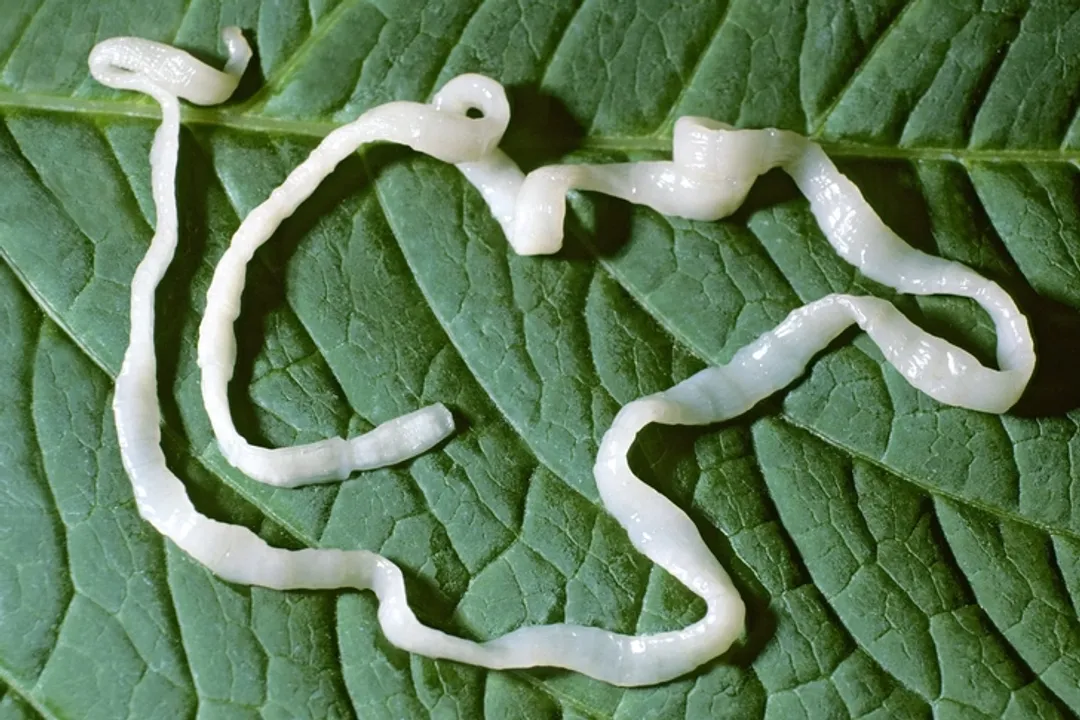
The presence of parasites in wild-caught fish is a common reality, and for those who enjoy raw or undercooked seafood, the question of potential harm to human health naturally arises. Certain species of tapeworms, specifically those belonging to the Diphyllobothrium genus, are known to inhabit freshwater fish and pose a risk of transmission to people who consume infected material.
# Parasite Identity
The parasite most frequently associated with fish consumption is the broad fish tapeworm, Diphyllobothrium latum, though other species exist. In North America, freshwater fish like pike, perch, and certain salmon and trout species can carry the larval stages of these parasites. Humans become the definitive host when they ingest the infected fish tissue containing the larvae. While tapeworms are generally associated with various animals, the specific concern regarding fish focuses on this genus, which differs clinically from the tapeworms acquired from eating undercooked pork or beef. Reports indicate that some freshwater fish populations in the United States carry these introduced parasites.
# Infection Pathway
For a human to become infected, they must consume the fish raw or improperly prepared, as proper cooking or freezing kills the parasite larvae. When a person eats an infected fish, the larval form develops into an adult tapeworm in the human intestine. This adult worm can attach to the intestinal wall and continue to live there, sometimes for many years. The infection itself is called diphyllobothriasis. While the parasite needs to develop into an adult to complete its lifecycle and shed eggs, the infection is established through consuming the intermediate host's tissue.

# Human Symptoms
A significant aspect of fish tapeworm infection is how often it causes no noticeable illness at all. Many individuals infected with Diphyllobothrium report having no symptoms whatsoever, meaning the infection can go undetected for extended periods.
When symptoms do appear, they are often mild and general, including abdominal discomfort or mild diarrhea. However, the most important clinical concern related to this specific parasite is its effect on nutrient absorption. The adult tapeworm residing in the gut has a peculiar appetite for Vitamin .
# Vitamin Deficiency
The long-term presence of the tapeworm can lead to a condition where the host becomes deficient in Vitamin . This deficiency can, in turn, cause megaloblastic anemia, a type of anemia characterized by large, immature red blood cells. In some cases, patients might experience neurological symptoms associated with deficiency, such as fatigue or tingling sensations, long before they realize they have a parasitic infection. This metabolic impact is what elevates the infection beyond a simple nuisance and warrants medical attention.
# Diagnosis Treatment
Identifying a fish tapeworm infection requires confirmation from a healthcare provider, usually involving laboratory testing. The primary diagnostic tool is the microscopic examination of stool samples to identify the presence of parasite eggs or proglottids (segments of the worm). This process is crucial because the symptoms, if any, are vague and mimic many other digestive issues.
Once diagnosed, treatment is generally straightforward and effective. The standard medication used to eradicate the adult worm is Praziquantel. This prescription medication paralyzes the parasite, allowing the body to pass it out of the system. It is important to follow up with post-treatment testing to confirm that all traces of the parasite, including eggs, have been eliminated.

# Safety Measures
Preventing diphyllobothriasis centers entirely on safe food preparation practices when dealing with freshwater fish or certain types of marine fish that can carry the larvae. The most reliable methods involve using temperature to kill the parasites.
Thorough cooking is the surest path to safety. The larvae are killed when the fish flesh reaches an internal temperature sufficient to destroy them. For consumers preparing fish at home, understanding the minimum required internal temperature, often cited around (), is key, although guidelines sometimes focus on visual inspection (opacity and flakiness) for thoroughly cooked fish.
Freezing also offers a powerful preventative measure. When you are preparing fish intended to be eaten raw, such as for sushi or ceviche, proper freezing protocols must be followed to neutralize the larvae. Freezing kills the worms, but the time and temperature matter significantly. For instance, freezing at () for seven days is often specified, though lower temperatures achieve the goal faster. If you frequently prepare fish intended for raw consumption, investing in a reliable appliance that consistently maintains ultra-low freezing temperatures can significantly reduce risk compared to relying on a standard home freezer set well above that minimum threshold.
Another simple, though less absolute, step involves sourcing. Knowing where your fish comes from matters; fish caught from local, potentially contaminated waters, or those not handled under strict commercial parasite-control standards, carry a higher inherent risk than commercially processed fish intended for raw consumption that has undergone verified freezing treatments.
# Risk Context
It is helpful to contextualize the risk. While the Diphyllobothrium tapeworm is the primary concern from fish, other nematodes (roundworms) can also be present in seafood, although they cause different types of illness. The danger of the fish tapeworm is insidious because its primary adverse effect— deficiency—develops slowly, making the causal link to a meal eaten weeks or months prior difficult to establish without awareness.
When comparing the potential severity, many other human parasitic infections cause acute, immediate illness (e.g., giardiasis or cryptosporidiosis from contaminated water). Fish tapeworm infection, conversely, represents a chronic drain on nutrient stores. This contrast—between an infection that presents acutely versus one that slowly compromises internal chemistry—is often overlooked by consumers. For someone consuming a diet already marginal in , even a mild tapeworm infection could hasten symptoms of anemia or neurological impairment more rapidly than in someone with adequate stores. Thus, while many people might eat raw freshwater fish and never develop an issue, the potential for silent, long-term nutrient theft remains the defining characteristic of this specific health concern.
Related Questions
#Citations
Fish tapeworm infection: MedlinePlus Medical Encyclopedia
Tapeworm Infection: Symptoms, Causes & Treatment
Fish Tapeworm Infection (Diphyllobothriasis) - Healthline
Tapeworms as pathogens of fish: A review - PubMed
Fish Tapeworms | Missouri Department of Conservation
Fish Tapeworm Infection - UF Health
[PDF] Illness-Causing Fish Parasites (Worms)
Freshwater Fish in U.S. Carry Introduced Human-Infecting Parasites
Can Humans Get Tapeworms? Yes, Here's How - GoodRx