Which class of medication can dangerously suppress the epinephrine response that normally signals impending low blood sugar?
Answer
Beta-blockers
A critical risk factor arises when diabetics who consume ackee (especially if possibly contaminated) are simultaneously taking beta-blockers. The body's normal physiological defense mechanism against impending hypoglycemia involves the release of the hormone epinephrine (adrenaline), which causes recognizable symptoms like tremors or rapid heart rate, signaling the need for glucose intake. Beta-blockers work by inhibiting this epinephrine response. Consequently, if a diabetic on beta-blockers ingests toxin-laced ackee and experiences a sudden drop in blood sugar, they will lack the crucial warning signs, making the resulting hypoglycemia much more severe and potentially fatal without immediate intervention.
Related Questions
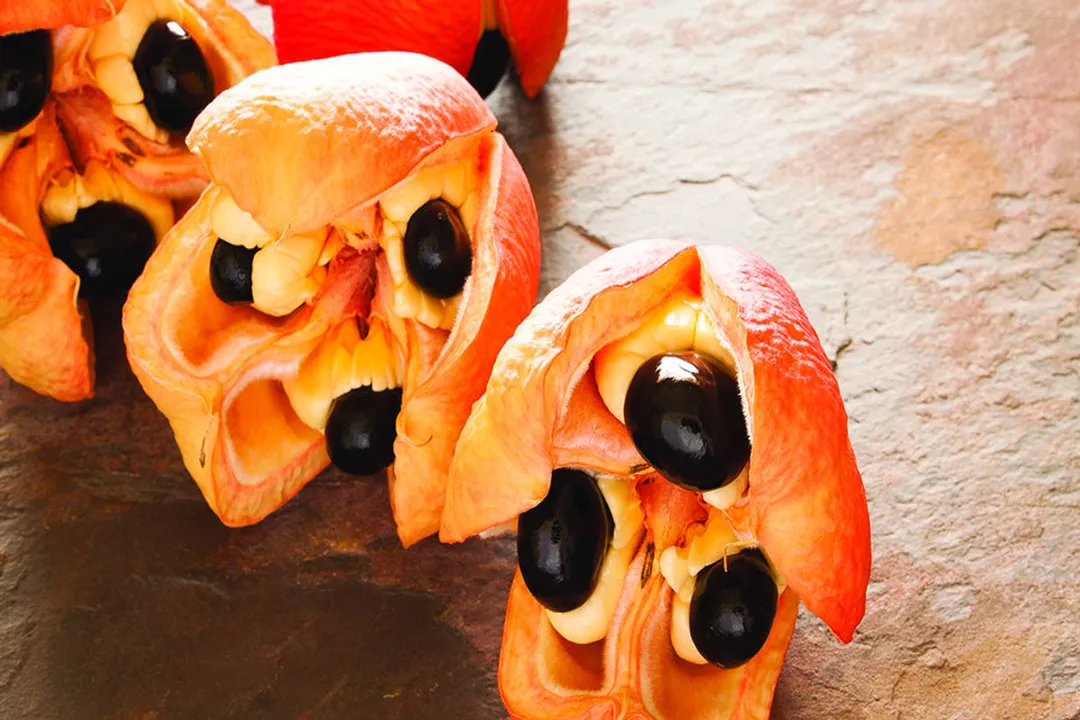
What potent toxins are found in unripe ackee that can cause Jamaican Vomiting Sickness (JVS)?What is the absolute rule for consuming fresh ackee to ensure safety, regardless of diabetic status?What liver process does the toxin hypoglycin A specifically inhibit, leading to acute hypoglycemia?What specific restriction does the FDA place on the importation of fresh ackee into the United States?How does the fiber content in ripe ackee align with general principles for managing diabetes?When consuming the traditional dish of ackee and saltfish, what co-morbid health concern associated with diabetes management requires monitoring?Which class of medication can dangerously suppress the epinephrine response that normally signals impending low blood sugar?By what factor can the concentration of hypoglycin A in unripe ackee fruit exceed that found in the edible ripe aril?When the red pod of ripe *Blighia sapida* splits open naturally, what edible component surrounds the three shiny black seeds?What unique metabolic strategy must diabetics adopt when integrating ackee into their diet due to its dual risk profile?