Can diabetics eat ackee?

The question of whether individuals managing diabetes can safely include ackee in their diet centers entirely on one critical factor: ripeness and preparation. Ackee, the national fruit of Jamaica, is a nutritional powerhouse when consumed correctly, yet it harbors a significant, potentially fatal danger when eaten unripe. [7][5] For someone monitoring blood glucose levels, this dual nature demands extreme caution.
# Ripeness Paramount
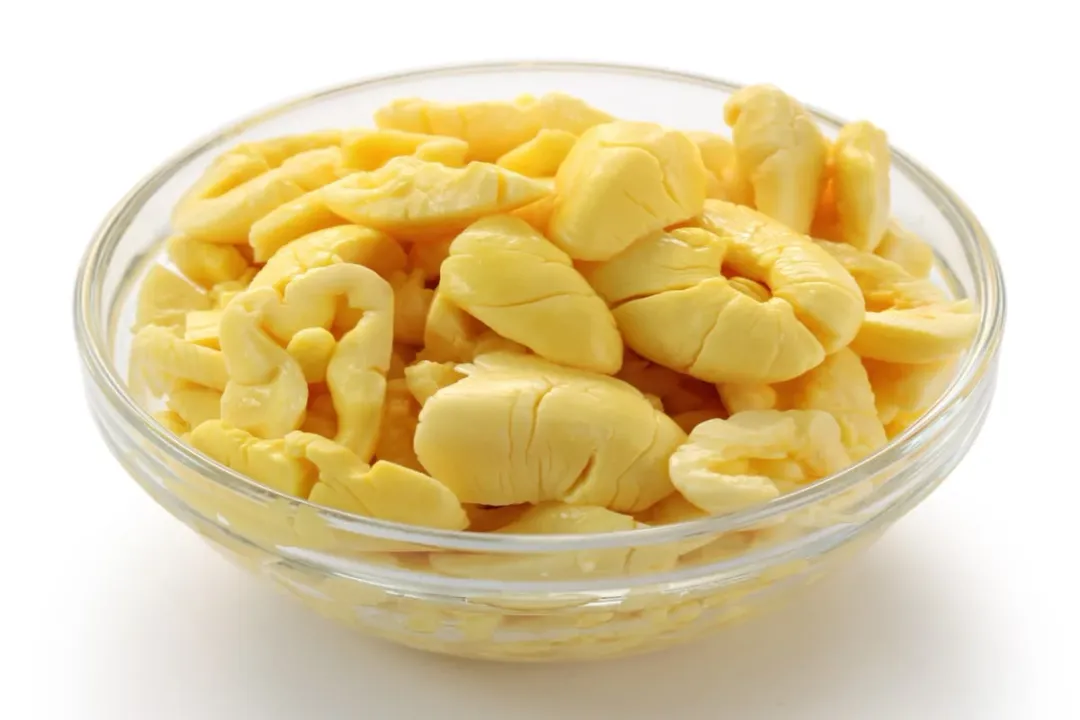
Ackee is botanically Blighia sapida and originates in West Africa, though it is famously integral to Jamaican cuisine. [2] The fruit presents as a red pod that splits open naturally upon reaching full maturity, revealing the edible, spongy, creamy yellow flesh—the aril—surrounding three shiny black seeds. [2][7]
The absolute rule for consumption, regardless of diabetic status, is ensuring the fruit is fully mature and correctly prepared. [7] Unripe ackee contains potent toxins, specifically hypoglycin A and hypoglycin B. [5][3] Ingestion of the unripe fruit can lead to a severe illness known as "Jamaican Vomiting Sickness" (JVS), characterized by severe gastrointestinal distress, liver damage, and, most concerningly for a diabetic, life-threatening, refractory hypoglycemia (dangerously low blood sugar). [3][6] The unripe fruit can contain concentrations of hypoglycin A up to 100 times higher than the ripe aril. [3] Furthermore, the seeds are generally considered poisonous and must be completely removed. [3][7]
In places like the United States, the FDA restricts the importation of fresh ackee due to this toxicity risk, permitting only processed (canned or frozen) versions from audited facilities that adhere to strict maximum limits for hypoglycin A. [5][7] Therefore, the first line of defense for a diabetic considering ackee is to only consume fruit that has naturally opened on the tree, or opt exclusively for reputable, commercially processed products. [7][8] Never force a fruit open; if it has not split naturally, it should be discarded. [7]
# Nutritional Benefits
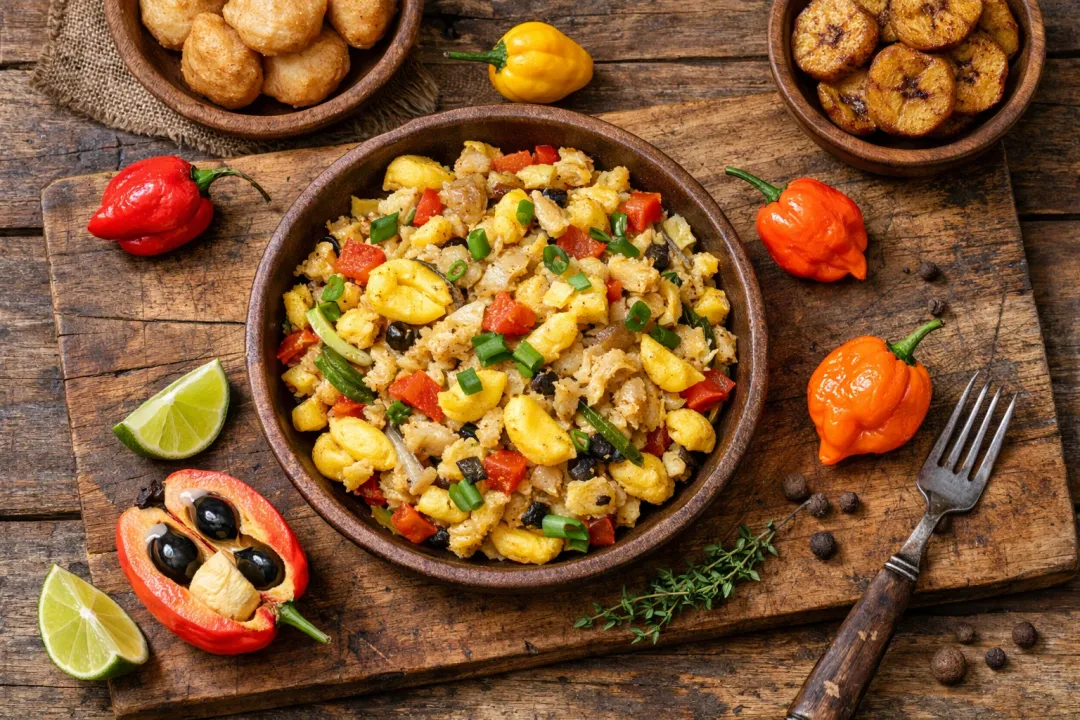
When the toxic risk is mitigated by confirming the fruit is ripe, the nutritional profile of the ackee aril offers several compounds that align well with general diabetes management principles. [2]
# Carbohydrates and Fiber
Compared to many other fruits, ripe ackee is relatively low in carbohydrates. [8] A 250g serving of ackee and saltfish, for example, contains about 8 grams of carbohydrates and 2 grams of fiber. [8] This fiber content is significant; increased fiber intake is known to help lower cholesterol levels and, importantly for diabetes management, it aids in stabilizing blood sugar levels and increasing insulin sensitivity. [7] Fiber slows the absorption of sugar into the bloodstream, helping to prevent the rapid glucose spikes associated with simple sugars. [2][7]
# Protein and Fats
Ackee is unusually protein-rich for a fruit, which is another benefit for blood sugar control. [2][7] Protein promotes satiety, helping to manage appetite and overall calorie intake. [7] Moreover, the fat content in ackee is predominantly composed of unsaturated fatty acids, such as oleic acid, which are considered heart-healthy fats. [2][8] Since diabetes increases the risk of cardiovascular issues, incorporating healthy fats is a positive dietary strategy. [2]

# Blood Sugar Dynamics
The relationship between ackee and blood sugar is complex because it involves both its macronutrient composition and its potential for acute toxicity.
On one hand, the natural composition—low carbohydrate load combined with high fiber and protein—suggests it should promote stable glucose levels by delaying digestion and sugar absorption. [8] Some research suggests that consuming fiber-rich foods like ackee may actively work to lower the risk of developing Type 2 diabetes.
On the other hand, documented medical cases highlight the severe danger of toxin-induced hypoglycemia in diabetics. [3] A case study reported a patient with previously uncontrolled Type 2 diabetes whose HbA1c significantly improved and who began experiencing frequent, unpatterned episodes of severe hypoglycemia shortly after incorporating preserved ackee into his daily routine. [3] The mechanism is clear: the toxin hypoglycin A inhibits hepatic gluconeogenesis—the liver's process of making new glucose—leading to the depletion of glycogen stores and subsequent dangerously low blood sugar. [3] This finding underscores that for a diabetic, accidental or unknown toxin exposure is an immediate, life-threatening metabolic event that reverses expected glucose regulation.
The risk of masking hypoglycemia is also a concern for diabetics using certain medications. Ackee-induced hypoglycemia symptoms can be suppressed by beta-blockers because these drugs inhibit the epinephrine response that usually signals impending low blood sugar. [5] This necessitates heightened vigilance for diabetics on such medication who consume ackee.
# Meal Context
In Caribbean dietary patterns, ackee is rarely eaten alone. Its most famous application is ackee and saltfish, the national dish. [8] While the ackee itself is relatively low in carbohydrates, the overall meal structure, and the sodium level, must be managed by the diabetic individual. [1]
A standard serving of ackee and saltfish provides about 16 grams of protein but also a high amount of sodium (around 890mg). [8] Individuals with diabetes often have co-morbid hypertension, making high sodium intake a concern that requires monitoring. [8]
General healthy eating guidelines for diabetics, which apply well to preparing this dish, involve balancing the plate: filling half the plate with non-starchy vegetables, a quarter with protein, and a quarter with starchy foods. [1] When preparing ackee and saltfish, consider this: if the saltfish provides the protein, and the ackee provides a small starch/fat/fiber component, the bulk of the plate should be filled with nutrient-dense, low-glycemic vegetables like callaloo, cabbage, or peppers to maintain balance. [1] Furthermore, a key preparation step to manage the saltfish component involves soaking it overnight, changing the water several times, and boiling it before cooking to significantly cut down on sodium. [8]
One way to approach the carbohydrate balance is to think of ackee itself as taking up a small portion of your usual starchy serving. For context, a medium boiled potato or one slice of whole-grain bread is roughly 15 grams of carbohydrate, whereas a serving of fufu (cassava) can be 50–55 grams. [1] Since ackee and saltfish is already low-carb, pairing it with a small portion of a complex, high-fiber starch like brown rice or yam, alongside copious non-starchy greens, creates a much more predictable metabolic profile than pairing it with high-carb fried dumplings or large portions of fried plantain, which is sometimes traditional. [1][8]

# Preparation and Monitoring
For diabetics, integrating ackee requires strict adherence to preparation practices that promote metabolic stability while actively guarding against accidental poisoning.
# Safe Sourcing Protocol
The primary actionable step is to source only reliably safe ackee. If purchasing canned, rinse the contents thoroughly before cooking to remove excess sodium from the brine. [7][8] If obtaining fresh ackee, one must have absolute certainty regarding its maturity; look for the natural red skin splitting open to expose the edible yellow arils. [7] If you live in an area where fresh ackee is common, educating family members on the toxicity of the seeds and the unripe fruit is as important as personal vigilance. [3]
# Dual Glucose Vigilance
Given the information suggesting ackee can stabilize sugar through fiber and protein, yet can cause acute hypoglycemia through toxins, diabetic individuals must adopt a strategy of dual vigilance. While most meal planning focuses on preventing hyperglycemia by limiting refined carbohydrates and sweets like honey or cake, [1] the ackee discussion introduces a unique, acute risk of the opposite problem. A diabetic should be prepared to treat sudden, unexplained low blood sugar with immediate glucose administration (like dextrose infusion in a hospital setting, or faster-acting carbohydrate sources if symptoms occur outside a medical environment) if they suspect even a slight exposure to an unripe fruit, especially when consuming non-standard commercial sources. [3]
This necessity for vigilance against both high and low blood sugar from one food source demands closer self-monitoring than a typical low-carb food would warrant. Pairing any meal containing ackee with other low-glycemic index foods, such as high-fiber vegetables like callaloo, helps buffer the meal and slow overall digestion, promoting sustained energy release rather than rapid sugar spikes. [8]
Ultimately, ripe, well-prepared ackee can be included in a diabetic diet as a nutritious, low-carbohydrate, fiber-rich component, provided the consumption is moderate and the source is trusted. [7][8] The key takeaway is that ackee requires a higher level of scrutiny regarding its origin and preparation than almost any other fruit, a factor which should supersede its otherwise favorable nutritional data when making dietary choices.
Related Questions
#Citations
Ackee Fruit-Induced Hypoglycemia - ClinMed International Library
Ackee Uses, Benefits & Dosage - Drugs.com
Ackee - The Brasserie, Grand Cayman
Ackee - Uses, Side Effects, and More - WebMD
Ackee Fruit: Good for the Heart and Gut or Poisonous Toxin? - Dr. Axe
Ackee and Saltfish: Calories, Nutrition and Health Benefits | NutriScan
Jamaican Ackee Benefits - Healthier Steps
[PDF] Healthy Eating with Diabetes - African and Caribbean