What factor drastically influences the final nutrient ratios for both salmon and herring?
Answer
Wild-caught versus farmed status
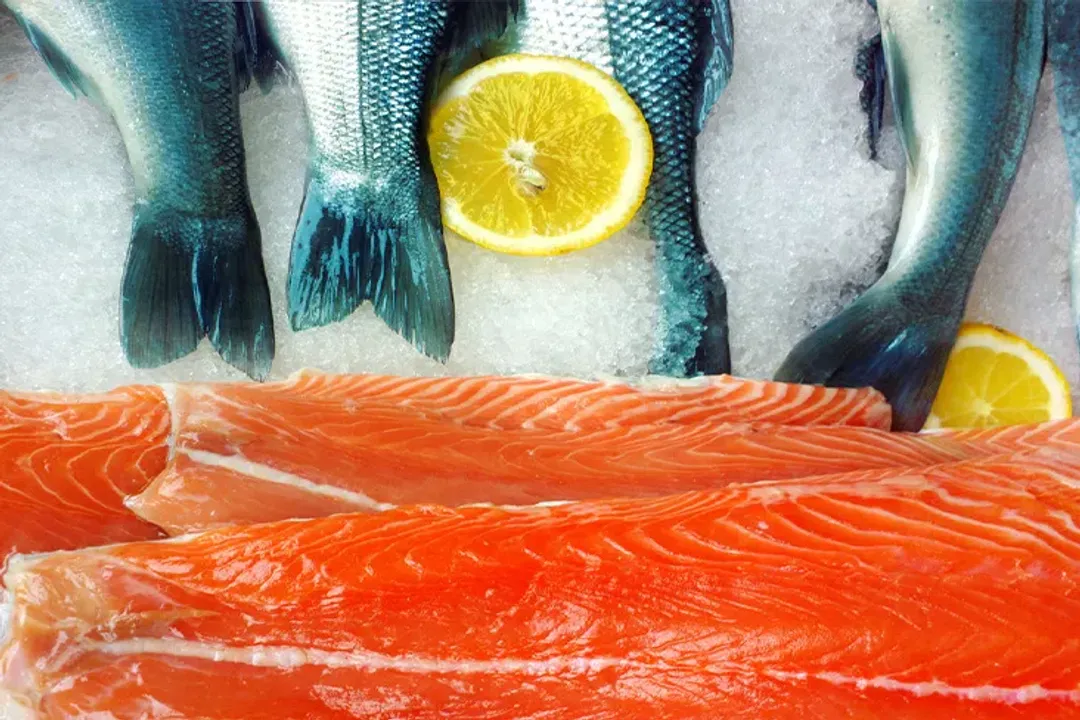
The nutritional composition of both salmon and herring is not fixed; it is highly susceptible to external variables related to how and where the fish lived and was raised. A critical differentiator that significantly impacts the final measured ratios of vitamins, minerals, and fatty acids in a fillet is whether the fish was harvested from its natural environment (wild-caught) or raised under controlled conditions (farmed). For example, the diet provided to farmed fish can alter their fat profile compared to wild populations, leading to variations that must be accounted for when making direct nutritional comparisons between species.
Related Questions
What specific omega-3 fatty acids are key to herring and salmon praise?Which vitamins is salmon frequently cited as a superb source of regarding nutrient density?Why do smaller fish species generally accumulate less mercury than larger predatory fish?In which specific metrics might herring potentially be superior to salmon according to comparison summaries?How does the UK's National Health Service (NHS) group fish for dietary advice regarding oily fish?What factor drastically influences the final nutrient ratios for both salmon and herring?What goal might incorporating smaller, affordable herring make simpler for consumers aiming for two oily fish servings weekly?Which research institution's findings support herring as a beneficial food source against famous counterparts?What is suggested for diversifying intake of healthy fats and keeping contaminant exposure low when eating oily fish regularly?What variable determines the superiority of one fish over another in health attributes, according to one source referencing experts?