Which is healthier, grapefruit or pomelo?
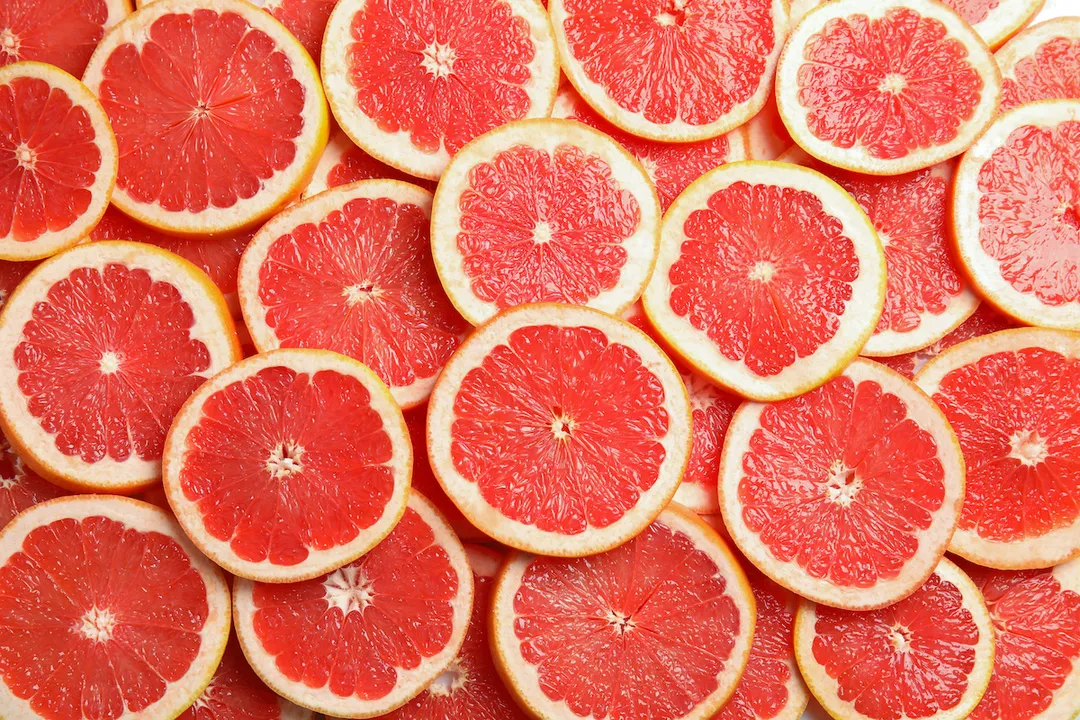
Citrus fruits often populate the winter fruit bowl, offering bright flavors and a dose of immune support when the weather turns chilly. Among the giants of this category, the grapefruit and the pomelo frequently stand side-by-side in the produce aisle, leading to understandable confusion about which one to choose for your next snack or salad addition. While both boast impressive nutritional profiles and share a lineage within the Citrus maxima family—with grapefruit being a natural hybrid of pomelo and sweet orange—they present distinct differences in texture, taste, and even their specific vitamin concentrations that might sway a health-conscious buyer. [2][3][5] Deciding between the two isn't just about picking the biggest fruit; it involves looking closer at what each offers your body and palate.
# Size Shape
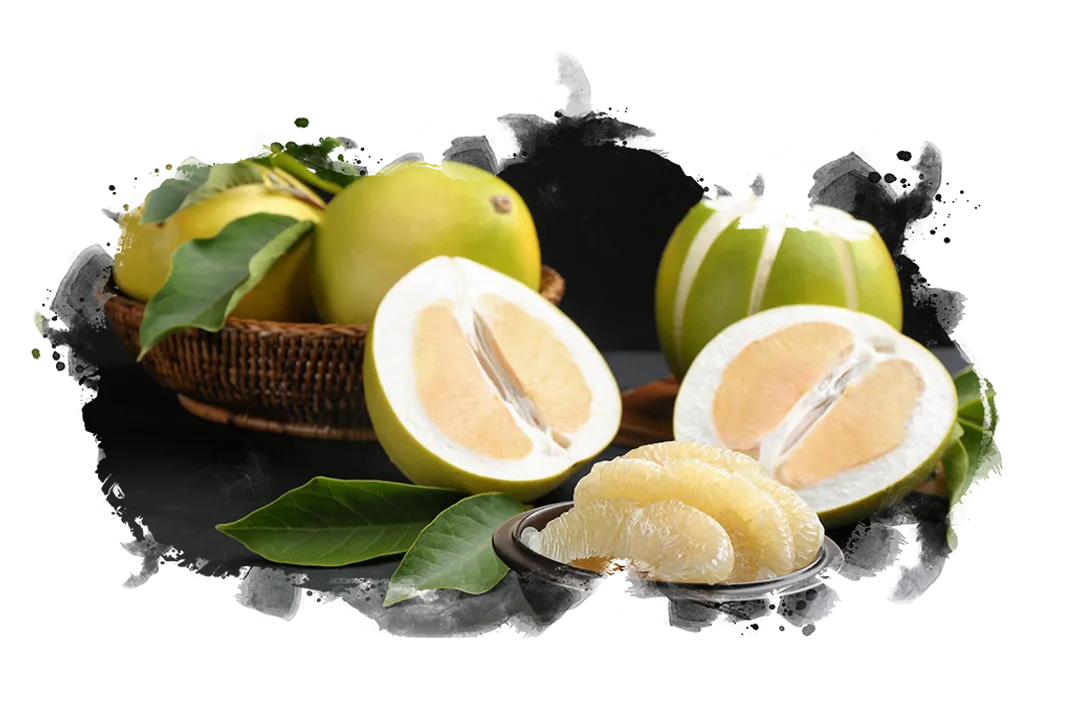
The most immediate way to distinguish the pomelo from the grapefruit is through sheer size and appearance. [4] Pomelos are, quite simply, the largest of the citrus fruits. [5][8] They can easily reach the size of a small cantaloupe, often dwarfing a standard grapefruit. [4]
Visually, the skin provides another major clue. Pomelos typically sport a thick rind, which can range from pale yellow to green, sometimes appearing slightly bumpy or dimpled. [3][5] This thick exterior serves as excellent natural protection. In contrast, grapefruits usually have thinner skins, which are smoother and range in color from yellow to pink or red, depending on the variety. [3]
When you peel them, the difference in the protective layer becomes immediately apparent. The pomelo’s pith—the white, spongy layer between the rind and the flesh—is significantly thicker than that of a grapefruit. [3][5] This thick pith on the pomelo is usually discarded before eating, unlike the grapefruit, where the pith is much thinner and more easily integrated or trimmed away. [4]
# Flavor Texture
Taste is perhaps the most subjective yet crucial differentiator. Pomelos are generally known for being much milder and sweeter than grapefruits. [5] They lack the characteristic bitter or tart bite that many people associate with grapefruit. [3][4] If you find grapefruit too intense, the pomelo offers a gentler citrus experience, making it very palatable eaten fresh on its own. [5]
Grapefruits, on the other hand, carry a signature tanginess, sometimes bordering on bitterness, a trait often attributed to compounds like naringin. [3][5] Varieties like Ruby Red or Star Ruby are bred for less bitterness and more sweetness, but the underlying tartness usually remains stronger than in a pomelo. [5]
The flesh texture also varies. Pomelo segments are often described as having fewer seeds and a slightly drier, less juicy texture compared to the taut, highly juicy vesicles found in a typical grapefruit. [3][4] One common way to describe the pomelo’s flesh is that it separates more easily into distinct wedges, almost like a segmented orange, making it very easy to prepare for snacking. [4]
For clarity, here is a quick reference guide to these physical and sensory differences:
| Feature | Pomelo | Grapefruit |
|---|---|---|
| Size | Largest citrus fruit [8] | Medium to large citrus fruit |
| Rind Thickness | Very thick [3][4] | Thin to medium [3] |
| Pith (White Layer) | Very thick, usually discarded [3][4] | Thin [3] |
| Taste | Milder, sweeter, less bitter [3][5] | Tart, often with a distinct bitter note [3][5] |
| Flesh Texture | Drier, easier to segment [3][4] | Very juicy, tightly packed vesicles [3] |

# Nutritional Comparison
When comparing the two side-by-side using standard nutritional data, both fruits present as excellent choices, rich in Vitamin C and dietary fiber. [6][9] However, specific nutrient densities and calorie counts can differ, which is important for those tracking macronutrients closely. [1]
For instance, when looking at a raw 100-gram serving, the pomelo often presents with slightly higher carbohydrate and sugar content compared to the grapefruit, though both remain relatively low-sugar fruits overall. [1] Conversely, the grapefruit sometimes edges out the pomelo in specific micronutrient department, depending on the exact comparison metrics used.
Both fruits are powerful sources of Vitamin C, which is essential for immune function, collagen production, and antioxidant protection. [6][9] A single serving of either fruit can easily meet or exceed the recommended daily intake for this vital nutrient. [9] They also provide good amounts of potassium, important for blood pressure regulation, and fiber, beneficial for digestive health. [6][9]
A notable distinction arises with Vitamin A. Grapefruits, particularly the pink and red varieties, are rich in beta-carotene, which the body converts into Vitamin A. [7] This pigment is responsible for the flesh color and provides strong antioxidant properties. [7] Pomelos do contain Vitamin A, but often in lower quantities than the pigmented varieties of grapefruit. [1]
When considering an everyday fruit choice, recognizing these subtle shifts in macronutrients can be helpful. For someone seeking a slightly lower immediate sugar load for a pre-workout snack, the lower sugar content sometimes seen in grapefruit might be preferable. However, for those prioritizing sheer bulk and slightly higher fiber density per weight consumed, the larger pomelo can be an excellent choice, provided the slightly elevated sugar is accounted for in their daily total. [1] This simple comparison shows that "healthier" is situational—one fruit isn't universally superior across every metric.
# Grapefruit Health Points
Grapefruit is particularly celebrated for its richness in antioxidants beyond just Vitamin C. [7] The presence of lycopene, a carotenoid also found in tomatoes, is a significant benefit associated with the pink and red varieties. [7] Lycopene is linked to promoting heart health and supporting healthy vision. [7] Furthermore, naringenin, which contributes to the fruit's tartness, has been studied for its potential anti-inflammatory and metabolism-supporting effects. [7]
Grapefruit also stands out for its high water content, which aids in hydration, making it a refreshing choice. [7] Its combination of fiber and water helps promote satiety, potentially assisting with weight management efforts by making you feel fuller for longer. [7]

# Pomelo Health Points
The pomelo shines brightly due to its exceptional fiber content and its ease of consumption, which encourages greater intake. [6][8] Its high fiber level is particularly beneficial for promoting regular bowel movements and supporting a healthy gut microbiome. [6][8]
Beyond Vitamin C, pomelos contain notable levels of thiamine (Vitamin B1). [9] Thiamine is critical for energy metabolism, helping convert the food we eat into usable energy. [9] They also offer bioflavonoids that may help improve skin health and provide general anti-aging benefits due to their antioxidant activity. [8] For individuals looking for a substantial fruit serving that delivers a powerful dose of Vitamin C without the strong acidic kick, the pomelo is a fantastic, easy-to-eat option. [6]
# Preparation Eating
The process of getting to the edible part of these fruits dictates much of the eating experience. [4] As mentioned, the pomelo's very thick rind and pith require a more involved peeling process. You typically score the rind deeply all the way around and peel it off in large sections, then remove the thick, sometimes bitter pith underneath. [4][5] Once sectioned, the individual sacs are usually easy to separate, and they contain fewer seeds than many grapefruit varieties. [4]
Grapefruit preparation is often quicker due to the thinner skin. [4] To enjoy it neat, many people prefer to supreme the segments—cutting away all the peel, pith, and the surrounding membrane to isolate the pure flesh—which is an excellent technique to avoid any residual bitterness. [5] Alternatively, simply cutting the fruit in half and scooping out the flesh with a spoon is a classic and simple method. [7]
When selecting either fruit at the market, a good rule of thumb is to choose the one that feels heavy for its size, which indicates high juice content. [3] Avoid any fruit with soft spots, mold, or signs of dryness. [3]

# Cautionary Interactions
This is perhaps the most critical health consideration when comparing the two fruits, especially for individuals taking prescription medication. Grapefruit is widely known to interact with a large number of prescription drugs, including certain statins, blood pressure medications, and anti-anxiety drugs. [7] This interaction occurs because compounds in grapefruit inhibit an enzyme in the intestines (CYP3A4), which alters how the body metabolizes the drug, potentially leading to dangerously high or low drug levels in the bloodstream. [7]
The good news is that pomelos generally do not carry the same significant risk profile as grapefruit regarding these drug interactions. [2] While both are citrus, the chemical makeup causing the enzyme inhibition appears much stronger in grapefruit. [2] If you are on regular medication, it is essential to consult your doctor or pharmacist specifically about consuming grapefruit, but you can often enjoy pomelo without the same level of concern, though simple caution is always advisable with any new dietary change when taking prescription drugs. [2]
# Market Availability Seasonality
Availability often dictates choice. Pomelos are typically a late fall and winter fruit, although improved global supply chains mean they are often available year-round in larger markets. [5] Grapefruits, being a more mainstream and widely cultivated fruit, are generally available for a longer season, often peaking during the cooler months from November through April in many growing regions. [7]
For someone interested in eating seasonally and supporting local agriculture where possible, knowing the peak season can guide purchasing decisions. If you are in a region where pomelos are grown, seeking them out during their primary season often means finding the freshest, best-tasting fruit available, as the commercial shipping process can sometimes mute the delicate flavor of the larger pomelo. [5]
In summary, the choice between pomelo and grapefruit depends entirely on personal preference for taste and texture, and specific dietary needs. If you crave tartness, enjoy a juice-filled texture, and are not on medications that interact with citrus, grapefruit is an excellent, antioxidant-rich option. [7] If you prefer a sweeter, milder taste, appreciate a drier texture that is easy to segment, and want to maximize bulk fiber intake without the sharp tang—and potentially avoid grapefruit-drug interactions—the magnificent pomelo is your superior choice. [6][8] Both are vibrant, nutritious additions to any healthy diet, proving that sometimes, the slightly bigger fruit isn't necessarily the better one, just different. [1][9]
Related Questions
#Citations
Pomelo vs. Grapefruit — Health Impact and Nutrition Comparison
Grapefruits vs. Pomelos: What's the Difference? - Winter Sweetz
Pomelo vs Grapefruit: What's the Difference? - Veritable Vegetable
What's the Difference Between a Pomelo and a Grapefruit?
Pomelo vs. Grapefruit: How the Citrus Fruits Compare - MasterClass
Pomelo Fruit Benefits, Nutrition and How to Eat It - Dr. Axe
Grapefruit Benefits | Johns Hopkins Medicine
9 Health Benefits of Pomelo (and How to Eat It) - Healthline
Pomelo fruit: Health benefits and nutritional information