Why do I gain weight when I eat salmon?
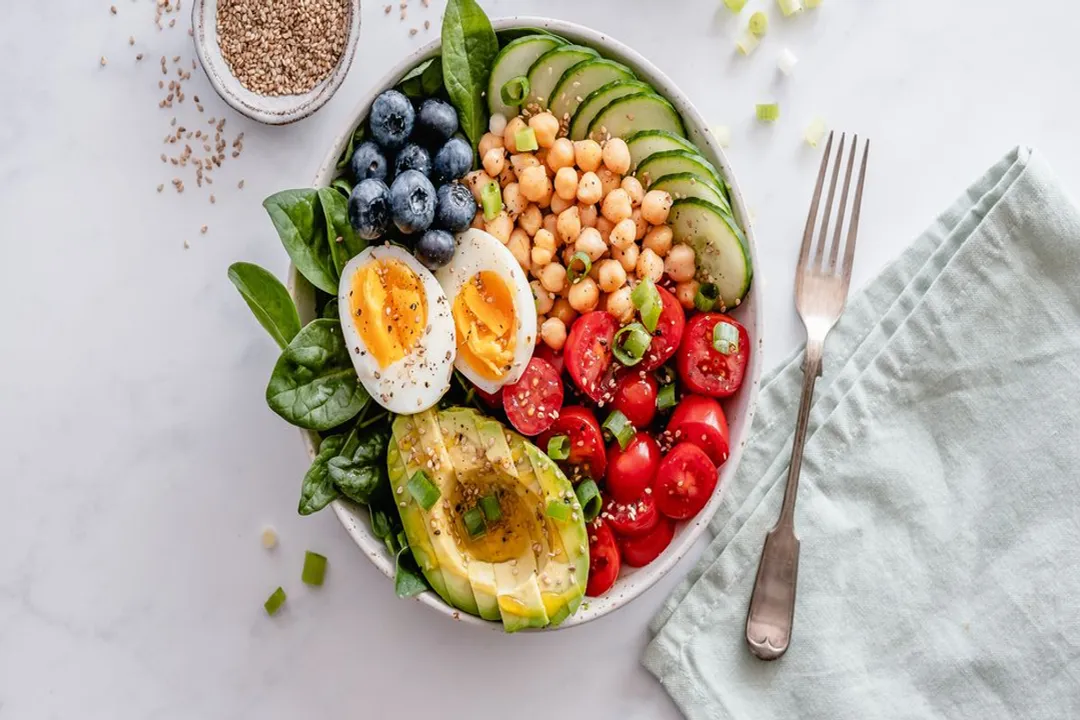
It can feel confusing, even slightly unfair, when you prioritize nutrient-dense foods like salmon only to see the scale move in the wrong direction. Salmon is famously lauded for its high content of heart-healthy omega-3 fatty acids and quality protein, factors that usually support weight management. [10][2] Yet, if daily or even frequent consumption is linked to weight gain, the issue almost certainly lies not in the fish itself, but in the context of your overall diet and how that specific fish is prepared. [1][5] Simply put, any food, no matter how "healthy," contributes to weight gain if it pushes your total caloric intake above what your body burns. [2]
# Caloric Balance
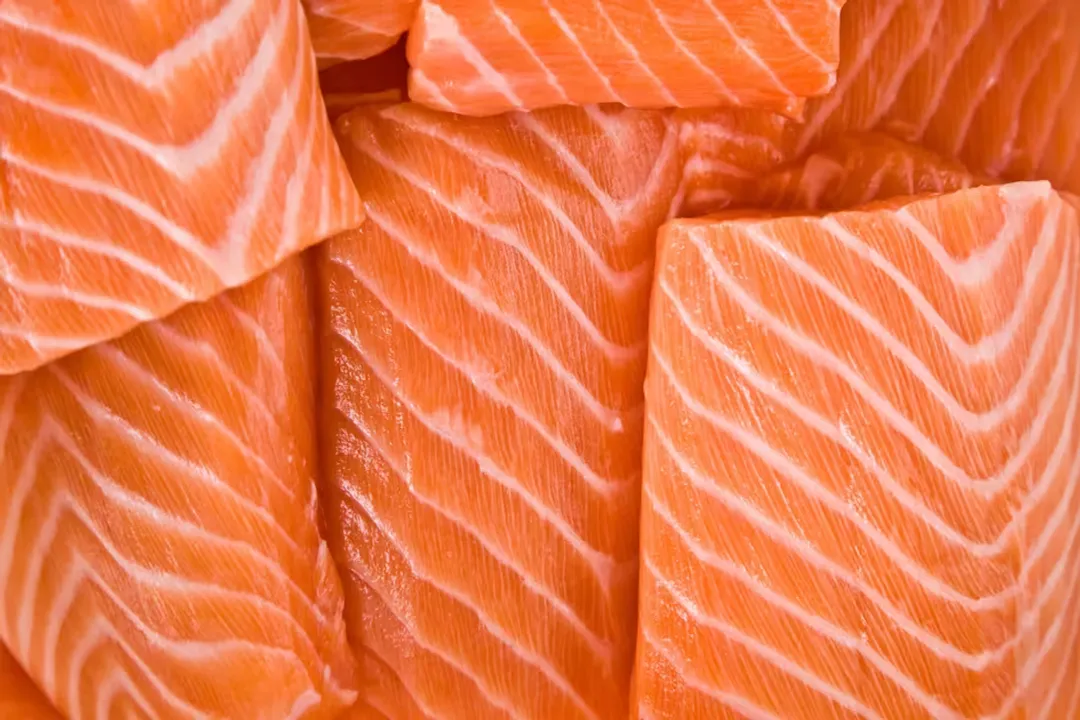
The fundamental principle behind any weight change remains consistent: energy in versus energy out. While salmon is celebrated for its benefits, it is also a relatively fatty fish compared to something like cod or tilapia. [6] This natural fat content means it carries a higher caloric density than leaner protein sources. [4] A serving of salmon provides essential nutrients, including high-quality protein which promotes satiety, and those vital omega-3s linked to various health improvements. [3][10] However, if you swap a low-calorie meal for a standard portion of salmon without adjusting other parts of your daily intake, you are introducing more calories, leading to a surplus. [1] Think of it this way: if your maintenance calories are $2,000$, and you replace a $300$-calorie lean chicken breast dinner with a $450$-calorie salmon dinner, you have added $150$ calories to that day's budget, regardless of how healthy the salmon is. [1]
# Farmed Fat
One significant variable that influences the caloric makeup of your salmon—and one that often goes unnoticed—is whether it is farmed or wild-caught. [6] Research indicates that farmed salmon tends to accumulate a higher percentage of total fat compared to its wild counterparts. [6] This difference is biological; farmed fish are often raised in environments where they expend less energy swimming and are fed diets that result in greater fat deposition. [6] For the consumer watching their weight, this means that a standard $6$-ounce portion of farmed Atlantic salmon might carry substantially more calories and fat grams than the same size portion of wild Sockeye salmon. [6] This difference might seem small per meal, but when eaten frequently, that extra fat translates directly into extra stored energy. Consider that the bears, when preparing for winter, instinctively seek out the fattiest parts of the salmon—the skin, the brains, and the eggs—because those components offer the highest caloric payoff for survival. [4] Your body operates on a similar, albeit less dramatic, principle of energy storage when presented with excess calories.
# Cooking Adds Up
If your salmon is causing unwanted weight gain, the preparation method is often the main culprit, overshadowing the natural differences between fish types. [5] While baking, grilling, or poaching salmon preserves its nutritional profile and keeps the calorie count reasonable, pan-frying or deep-frying adds significant amounts of external fat. Using large amounts of butter or cooking oils introduces hundreds of extra, easily consumed calories. [5] Furthermore, many people pair salmon with calorie-dense side dishes or rich sauces that negate the inherent health benefits. A beautiful fillet topped with a heavy cream sauce, served alongside a large scoop of buttered mashed potatoes, quickly transforms from a weight-management aid into a high-calorie entree. [5] If you have switched from eating lean steamed fish to consistently eating salmon prepared with heavy, creamy additions, the resulting weight gain is logically tied to the added fats from the preparation, not the fish muscle itself. [5]
To maintain the benefits without the excess energy, a helpful guideline is to view your plate composition when eating salmon. Aim for what might be called the "50/25/25 Salmon Rule": ensure that at least $50%$ of your plate is composed of non-starchy vegetables (fiber and low calories), $25%$ is the salmon protein source, and the final $25%$ is reserved for a complex carbohydrate like quinoa or sweet potato, minimizing the space left for added fats or heavy sauces. This approach helps structure the meal around satiety and nutrient density rather than pure energy load.
# Portion Awareness
Even when prepared simply, consuming excessively large quantities will lead to weight gain. [1] People often assume that because salmon is healthy, they can eat unlimited amounts without consequence. [2] If you are eating twice the standard recommended serving size of salmon several times a week, you are likely consuming too many calories overall. [1] A typical healthy serving size is often cited around $3$ to $6$ ounces, depending on individual caloric needs and activity levels. [3] For someone aiming for weight loss, being mindful of this limit is key. [2] It is easy to overestimate a serving size, especially when cutting a large fillet—what looks like a standard portion on the cutting board can easily weigh in at $8$ or $10$ ounces, providing a much higher caloric intake than intended for that single meal.
It is also worth considering the frequency. While some individuals might comfortably incorporate salmon daily, others might find that eating it every other day, or just a few times per week, works better for their energy balance goals. [1] If you are eating salmon daily, look critically at everything else you are consuming that day. Are you reducing fat elsewhere? Are your portion sizes of grains and starches smaller? If the answer is no, that daily dose of omega-3s is being accompanied by an overall caloric surplus. [1]

# Nutrient Density Misconception
The confusion often stems from the idea that nutritious equals zero-calorie. Salmon is incredibly nutrient-dense, meaning it packs many essential vitamins, minerals, protein, and fats into a relatively small package. [10] This is fantastic for health, but density implies concentration. Contrast this with something like celery, which is volume-dense (lots of mass for few calories) but nutrient-sparse. While salmon provides superior nutrition, its energy concentration requires careful tracking when weight management is the goal. [3] The high protein helps you feel full longer than many other macronutrients might, which should aid in preventing overeating later, but this protective effect is only active if the initial portion size is appropriate for your targets. [2] If you find yourself gaining weight, step back and review your log for one week: measure the actual weight of the salmon portion cooked, tally the cooking fats used, and look at the sides you paired it with. [5] Often, the answer is a simple accounting error in the non-fish components of the meal.
#Videos
The Surprising Truth About Seafood For Weight Loss & Longevity
Related Questions
#Citations
Why would eating salmon every day cause weight gain? - Reddit
Is Salmon Fish Good for Weight Loss?
Seafood intake and the development of obesity, insulin resistance ...
“SO BASICALLY, IF YOU SEE BEARS ONLY EATING THE SKIN ...
12 Surprising Foods That Make You Gain Weight - AARP
Research Shows Salmon Can Get Too Fat | The Fish Site
Why are you gaining weight the more you eat salmon? I ... - Instagram
9 foods that will never make you gain weight - The Mirror
The Surprising Truth About Seafood For Weight Loss & Longevity
6 Reasons Why Salmon Is So Good for You