What is healthier, salmon or Arctic char?
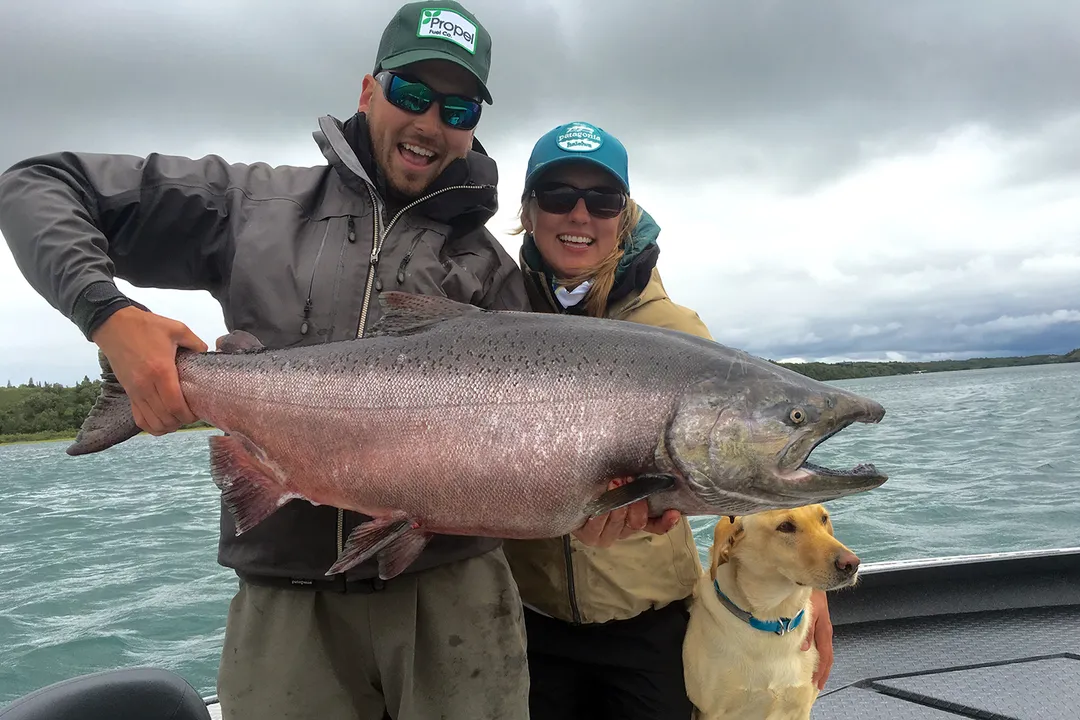
The comparison between salmon and Arctic char often comes down to a culinary preference or a concern for specific nutritional quotas, as these two species are closely related members of the Salmonidae family. [1][2][7] While salmon typically basks in the global spotlight, its northern cousin, Arctic char, offers a compelling alternative that can sometimes edge it out on factors like sustainability and price point. [7] Deciding which is "healthier" isn't a simple pass/fail but rather a nuanced look at fat content, Omega-3 levels, and how each fish is typically brought to your plate. [2][3]
# Family Ties
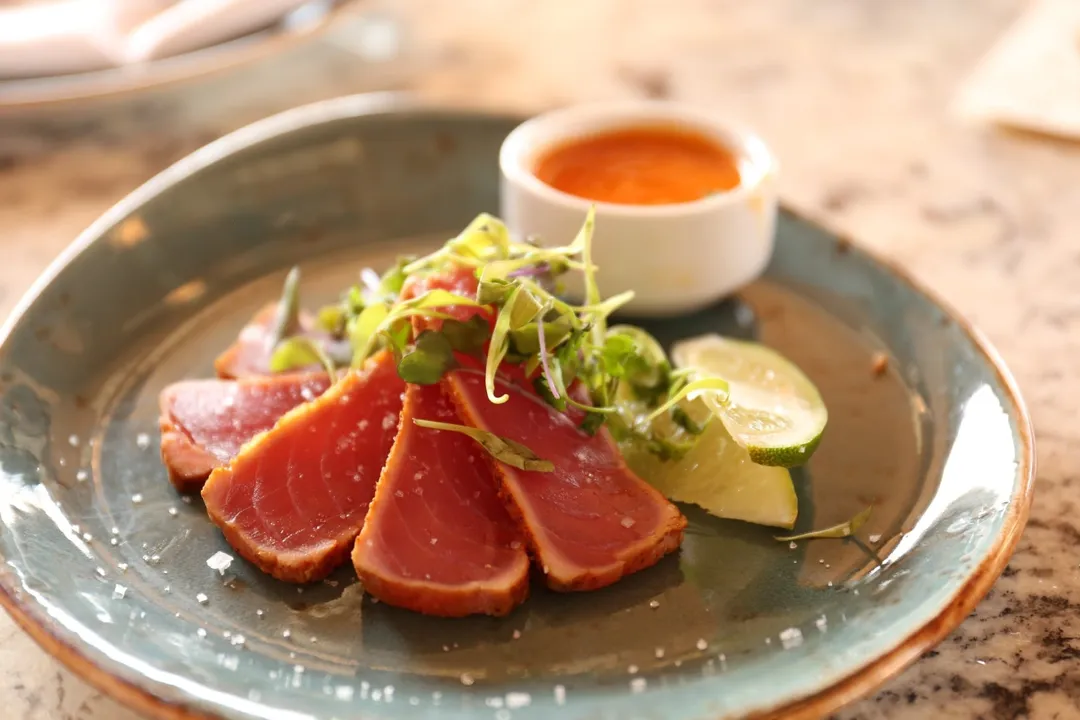
Both Arctic char and salmon belong to the Salmonidae family, which immediately explains why they share similarities in basic structure, taste profile (leaning toward rich, fatty fish), and excellent nutritional reputations. [1][7] They are both cold-water predators known for fighting hard when caught, which appeals greatly to anglers. [1] However, within this shared family tree, their life cycles and preferred environments have diverged, leading to the differences we observe in the market. [3]
# Habitat Range
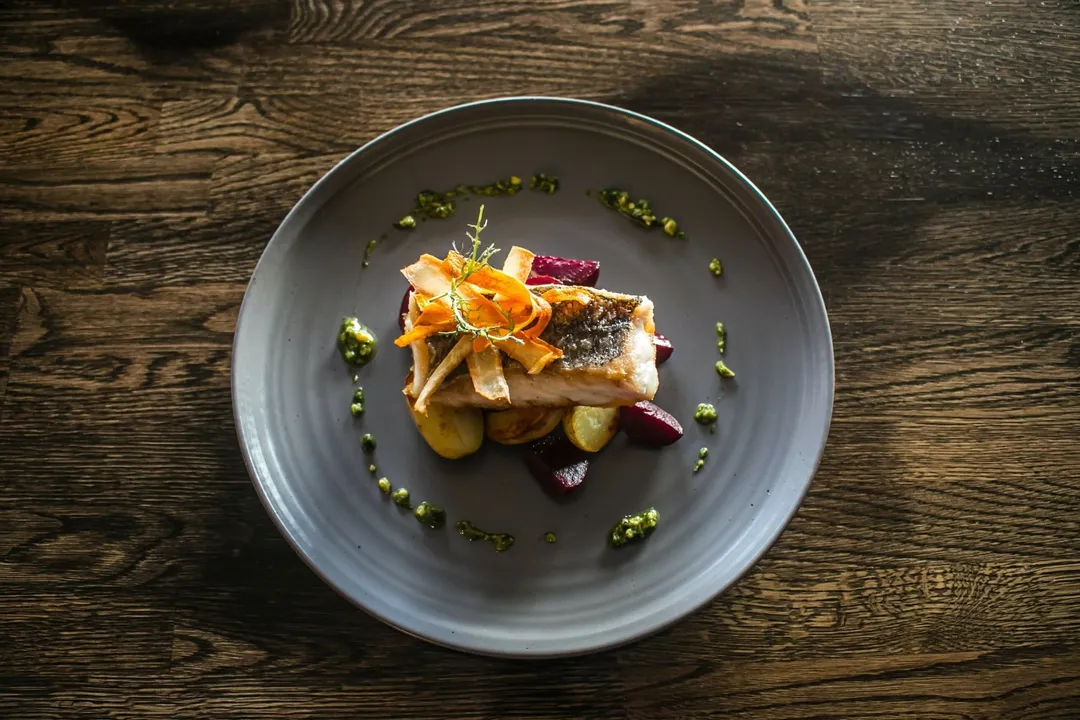
Where these fish live dictates much about their makeup and availability. Arctic char truly earns its name, thriving in much colder waters, often within the Arctic Circle, where many salmon species cannot survive. [1] Generally, char are found in cold, northern freshwater lakes and rivers, with some existing in coastal areas. [2][3] Their life cycle is often less migratory than salmon; most char stay within freshwater systems, though some populations are anadromous (migrating between fresh and salt water). [3]
Salmon, conversely, have a more varied habitat requirement. Most popular species, like Pacific salmon, are anadromous—they are born in freshwater, migrate to the ocean to mature, and then return to freshwater to spawn. [3] This migratory pattern means salmon are found in a broader range of waters, including the Great Lakes and the coasts of North America. [1] The difference in temperature tolerance is significant: char prefer pristine, well-oxygenated, cold waters, whereas salmon are more adaptable to the slightly warmer ranges when they are not in their spawning rivers. [3]
# Visual Cues
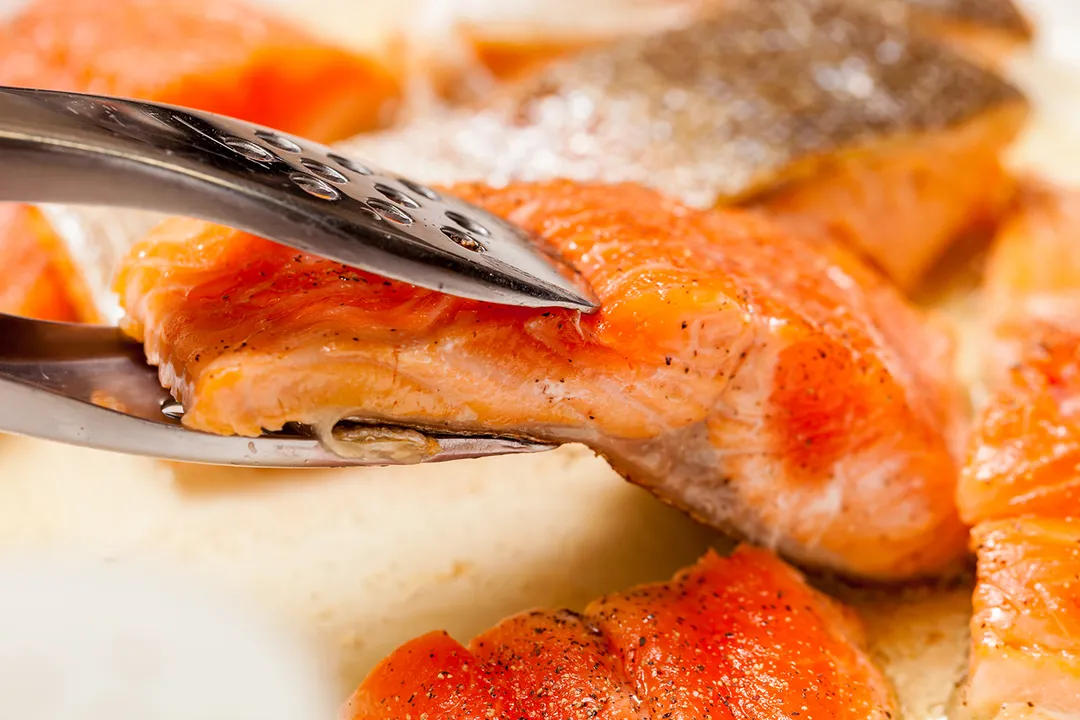
Telling them apart visually requires a closer inspection than a quick glance at the counter allows, though experienced fishers have reliable identifiers. [1] Both fish are silver for much of the year, developing bright, dramatic colors when preparing to spawn. [1] Arctic char are often more streamlined and slender than many salmon species. [3] The key identifiers for char are found on their spots and fins: all Char species have light spots—often pink or white—on their sides. [1][3] Furthermore, a dead giveaway for char is a creamy white edging on their fins, something salmon lack. [1] Salmon, if they have spots, usually have dark ones. [1] During their spawning runs, males of both species undergo dramatic color changes, but the distinct light spots and white fin trim remain the reliable markers for the char. [1]
# Flavor Profiles
For the eater, the most immediate difference is in the mouthfeel and taste. [2] Arctic char is frequently described as having a milder, slightly sweet, and delicate flavor, often noted as sitting somewhere between trout and salmon, but leaning closer to trout. [1][2][7] Its flesh is described as firm yet tender. [2][3] Because it is often less fatty than species like Chinook salmon, its flavor is less intense, making it an excellent canvas for delicate seasonings. [3] The skin on char is particularly delicate and crisps up beautifully when cooked. [1]
Salmon carries a richer, more pronounced flavor profile. [2][3] Depending on the species—King (Chinook) or Atlantic, for instance—the taste can be distinctly buttery and oily, offering a savory, robust experience that many associate with the quintessential rich fish flavor. [2] This higher fat content generally translates to a softer, sometimes more buttery texture compared to the char. [2][3]
# Nutrient Breakdown
Both fish are lauded as nutritional powerhouses, providing high-quality protein, essential vitamins, and minerals like selenium and Vitamin B12. [3][6] In terms of basic macronutrients, they are neck-and-neck for the average consumer. [2] A 3-ounce serving of Arctic char yields about 22 grams of protein, while salmon edges it out slightly at 23 grams. [2] Similarly, char comes in lower on the calorie count, hovering around 150 calories per 3 ounces, while salmon can range from 180 to 250 calories depending on the type. [2] For those prioritizing leanness, char is the winner here. [2]
# Omega Three Count
The main nutritional draw for both fish is their high concentration of heart-healthy Omega-3 fatty acids, specifically EPA and DHA. [3][6] This is where salmon, particularly fattier wild varieties, tends to take the lead. [2][7] Salmon can provide between 1,500 to 2,000 mg of Omega-3s per serving, whereas Arctic char usually falls in the 1,000 to 1,500 mg range. [2] One assessment noted that wild salmon provides about 2 grams of Omega-3s per 3 ounces, while char provides about 1 gram per 3.5-ounce serving, suggesting salmon offers roughly double the heart-healthy fats. [7] While salmon is the champion for sheer Omega-3 volume, char still contains beneficial amounts, ensuring you get plenty of those crucial fats regardless of your choice. [2]

# Farming Impact
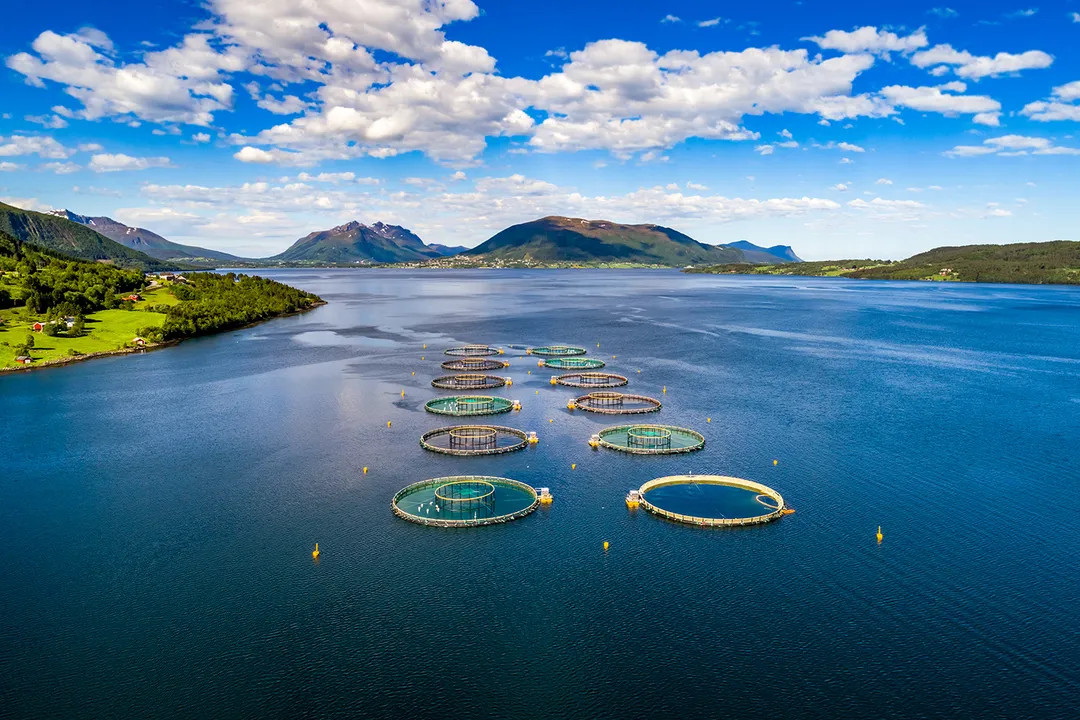
Sustainability is a major area where Arctic char often presents a clearer choice for the eco-conscious shopper. [2][7] Nearly all U.S. Arctic char supply is farmed, and the Environmental Defense Fund (EDF) gives char a “best” eco-rating. [7] This superior rating is because char farming typically occurs onshore in tanks and raceways. [7] This land-based aquaculture results in less direct pollution discharge into local waters and significantly reduces the risk of farmed fish escaping and affecting wild populations, unlike many open-water netpen salmon farms. [2][7]
Many farmed salmon operations receive an “WORST” environmental rating from groups like the EDF due to issues like pollution and the risk of overfishing wild stocks to support feed. [7] While wild-caught Pacific salmon is considered highly sustainable, it is seasonal and substantially more expensive. [1] Therefore, farmed char provides a reliable, year-round, and environmentally kinder option when wild salmon isn't available or affordable. [2][7]
# Price Points
The difference in price often reflects the differences in sourcing and availability. [2] Arctic char is frequently touted as being far less expensive than premium wild-caught salmon. [7] In the U.S., estimates suggest char might be around 25 or more per pound. [2] This cost differential makes char an excellent choice for regular incorporation into a healthy diet without straining the food budget. [7]
Here is a quick look at the general cost dynamic, though local markets will always influence the final numbers:
| Fish Type | Typical US Price Range (per lb) | Availability |
|---|---|---|
| Arctic Char (Farmed) | ~$15 USD | Year-round [2] |
| Wild-Caught Salmon | ~$25+ USD | Seasonal [2] |
If you are looking to make your weekly grocery budget stretch further while maintaining high nutrient intake, choosing char more often is a pragmatic move. [2]
# Cooking Tips
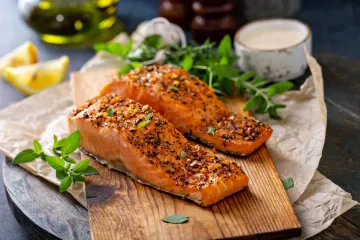
Both fish are extremely versatile, suited for grilling, baking, and pan-searing. [2][3] When pan-searing, remember that the char’s delicate skin crisps up wonderfully, so cook it skin-side down first. [2] For baking, char's milder flavor is enhanced by simple treatments like lemon and herbs. [2] Salmon's richer fat content means it can better handle bolder glazes or heavier spice rubs without its flavor being overpowered. [2]
Considering the textural differences, you might find that Arctic char holds up better to methods that require more structural integrity. Since char is firmer than salmon, which can be softer and more buttery, [2] you can try skewering char pieces for kebabs or baking them en papillote (in parchment paper) where a slightly less delicate structure prevents excessive flaking mid-steam. Conversely, salmon’s higher oil content makes it ideal for quick cooking methods like high-heat grilling or serving raw as sashimi, where that buttery mouthfeel shines. [2]
# Final Choice
The question isn't which fish is unequivocally superior, but which one better suits your immediate needs—be it Omega-3 maximization, budget adherence, or sustainability priority. [2][3] Salmon offers a richer flavor and a slightly higher dose of those critical Omega-3s, making it the go-to when flavor intensity is paramount and your budget allows for seasonal, wild options. [2][7] Arctic char delivers nearly the same profile—great protein, healthy fats—at a lower price, with a milder taste and a significantly better environmental footprint for farmed options. [2][6][7]
A good strategy for a balanced approach is to recognize the strengths of both. You might reserve wild salmon for those times you want that specific, robust flavor or when you are specifically tracking for the absolute highest Omega-3 intake. For everyday, sustainable protein that won't break the bank and is reliably available, Arctic char is a fantastic, nutritious staple that deserves more room on the dinner plate. [7]
Related Questions
#Citations
Arctic Char vs. Salmon: What's the Difference?
Arctic Char vs Salmon: A Fishy Comparison - The Environmental Blog
Arctic Char vs. Salmon: Looks, Taste, and Everything Else! for 2025
Wild Pacific salmon, arctic char, trout.. student questions. : r/nutrition
The Top 10 Healthiest Fish to Eat and Their Benefits
Arctic Char – Better Than Salmon - Going Lo-Co
10 Healthy Fish to Eat and 5 You Shouldn't - Best in Nature