What is the salmon diet?

The life cycle of salmon is one of nature’s most dramatic narratives, beginning in freshwater streams before a journey that takes them out into the vast ocean, and eventually, back to their natal rivers to spawn. [2] This demanding existence, moving between environments, shapes the fish, making it a rich source of nutrients for those who consume it. While the phrase "salmon diet" might suggest a highly restrictive, named protocol, the real value lies in understanding the profound nutritional profile of salmon and how integrating it regularly into one's eating pattern can support health goals, such as weight management. [9]
# Natural Feeding
Understanding what salmon consume in the wild provides important context for the nutrients we gain when we eat them. Salmon are opportunistic and carnivorous predators throughout their lives. [1] Young salmon, known as fry or parr, start their life eating small invertebrates found in their freshwater origins. [1]
Once they transition to the ocean, their diet expands considerably. [1][2] Pacific salmon species, for instance, primarily feed on crustaceans, squid, and other fish. [2] Their diet is highly dependent on their current size and location. [3] Larger salmon are capable of consuming a wider variety of prey, including smaller fish like herring or sand eels, as well as organisms like krill. [1][3] For Atlantic salmon in the sea, the diet often includes various types of crustaceans and small baitfish. [5] This varied, protein-rich diet in their natural habitat contributes to the desirable fat composition found in wild salmon flesh. [6]
# Nutritional Profile
Salmon stands out among fish due to its impressive nutritional density, particularly its high content of omega-3 fatty acids. [6] These essential fats are vital because the human body cannot produce them on its own. [6] The long list of health benefits associated with regular salmon consumption stems largely from these fats, which are known for supporting heart health. [6] Furthermore, salmon is an excellent source of protein, which is necessary for muscle building and repair. [9]
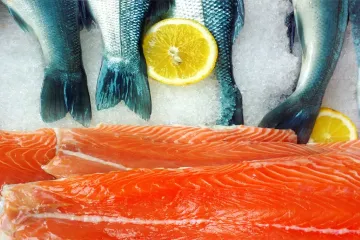
Beyond the fats and protein, salmon provides a significant array of vitamins and minerals. [6] It is a good source of B vitamins, particularly B12, which is important for nerve function and the formation of red blood cells. [6] It also contains significant amounts of potassium, which helps control blood pressure, and the antioxidant selenium, which supports thyroid function. [6] Perhaps most notable is the naturally occurring pigment called astaxanthin, which gives salmon its characteristic pink or red color and acts as a powerful antioxidant. [6]
# Weight Goals
For individuals looking to manage their weight, incorporating nutrient-dense foods like salmon is a key strategy. [9] Salmon supports weight loss efforts primarily because it is rich in protein, which promotes satiety—the feeling of fullness—helping to reduce overall calorie intake later in the day. [9] Moreover, the omega-3 fatty acids found in salmon have been studied for their potential role in influencing metabolism and fat storage. [9] Given its density in essential nutrients, choosing salmon helps ensure that caloric reduction doesn't equate to nutrient deficiency, a common pitfall in dieting. [9]
If you are tracking macronutrients, consider that a typical serving of salmon provides substantial protein while the carbohydrate count is essentially zero. [9]
# Daily Intake Patterns
While an entire diet centered only on salmon would be highly restrictive and nutritionally incomplete, structuring eating habits around consuming salmon frequently is a pattern some people adopt to maximize its benefits. [10] Eating salmon every day for a week, for example, allows for a consistent influx of those beneficial omega-3s and other vitamins. [10]
However, experts often recommend variety to ensure a full spectrum of nutrients from different food sources. [10] For instance, the Cleveland Clinic notes that while salmon is beneficial, balancing it with other foods is important. [6] When considering a high-frequency intake, one should be mindful of potential contaminants, leading to the next essential consideration: the source of the fish.
One useful approach, if aiming for high salmon intake for a period, is to alternate preparation methods and pairings. Instead of eating grilled salmon every night, vary the routine by incorporating it into a salad one day, making it the star of a light seafood chowder another, and perhaps serving it flaked over roasted vegetables on a third day. [10] This rotational preparation keeps the palate engaged while the core nutrient profile remains consistent.

# Source Considerations
The source of the salmon—whether wild-caught or farm-raised—introduces different nutritional profiles and potential concerns that must be weighed when establishing a regular eating pattern. [4][7]
# Wild vs. Farmed
Wild salmon obtain their nutrients directly from the complex marine food web, leading to a higher concentration of certain beneficial compounds, though this can vary significantly based on where and what they eat. [4] Farm-raised salmon, conversely, are fed a controlled diet, typically pelletized feed, which influences their fat content and fatty acid profile. [7]
For example, farmed salmon generally have a higher fat content overall than their wild counterparts, which translates to more omega-3s, but also more omega-6s and total calories. [7] Wild salmon often has a slightly better ratio of omega-3 to omega-6 fatty acids. [4] Both types are generally considered healthy options, but consumers seeking specific profiles may lean toward one or the other. [4][7]
# Contaminants and Safety
Concerns about contaminants like mercury are often less pronounced with salmon compared to some larger predatory fish, as salmon is generally lower on the food chain. [6] However, the farming environment can introduce different considerations. Washington State's Department of Health, for example, provides guidance on farmed salmon, noting that while it is a nutritious food, the farming practices can affect its composition. [7] It is advisable for consumers to look for reputable sources and sustainability certifications when making purchasing decisions, regardless of whether they choose wild or farmed. [4] Ensuring the fish you choose aligns with local health advisories is a crucial step in any diet plan involving regular seafood consumption. [7]
# Diet Structure Notes
While the sources do not outline a formal, restrictive "salmon-only diet," the concept aligns with incorporating fatty fish frequently into a balanced eating style. [6][10] Dr. Hoffman’s approach, referred to as "The Diet," emphasizes a foundation of quality foods, suggesting that lean proteins, high-quality fats, and nutrient-dense vegetables form the basis of optimal eating. [8] Salmon fits perfectly into this structure as a premium source of both protein and quality fat.
A practical application of integrating salmon regularly—which moves beyond simply eating it for health benefits—involves viewing it as the anchor for main meals, rather than a side dish or an occasional treat. [10] For instance, instead of planning a meal around rice or pasta and adding salmon, the plan centers on a specific portion of salmon (perhaps 3 to 6 ounces) and then builds the remainder of the plate around low-starch vegetables and healthy fats like avocado or olive oil, aligning with principles focused on whole-food eating. [8]
If one were to adopt a "Salmon-Centric Week," a simple, actionable structure could look like this, designed for variety and balance:
| Day | Meal Focus | Salmon Preparation Example |
|---|---|---|
| Monday | Lunch Focus | Flaked salmon over mixed greens with vinaigrette |
| Tuesday | Dinner Focus | Baked salmon with roasted asparagus |
| Wednesday | Mid-Week Reset | Salmon patties (made with minimal binders) |
| Thursday | Lunch Focus | Leftover salmon cold on crisp lettuce wraps |
| Friday | Dinner Focus | Pan-seared salmon with steamed broccoli |
| Saturday | Flexible | Smoked salmon with whole-grain crackers and capers |
| Sunday | Preparation | Poached salmon, used for salads/snacks early next week |
This structure, which emphasizes routine but allows for preparation variation, ensures that the desired intake of omega-3s is met without leading to dietary monotony, which is often what derails long-term eating changes. [10] The critical takeaway remains that salmon should be part of a pattern that prioritizes overall whole foods, rather than being the sole focus of the eating plan. [6][8]
Related Questions
#Citations
Have you ever wondered what salmon eat?
Salmon - Wikipedia
What Do Salmon Eat? 12 Foods in Their Diet - A-Z Animals
What Salmon Should I Eat?
What do salmon eat in the sea? - Fishmadman.com |
6 Reasons Why Salmon Is So Good for You
Farmed Salmon vs. Wild Salmon | Washington State Department of ...
Salad and Salmon Diet - Dr. Ronald Hoffman
Is Salmon Fish Good for Weight Loss?
I Had Salmon Every Day for a Week—Here's What Happened