Is sprouted healthier?
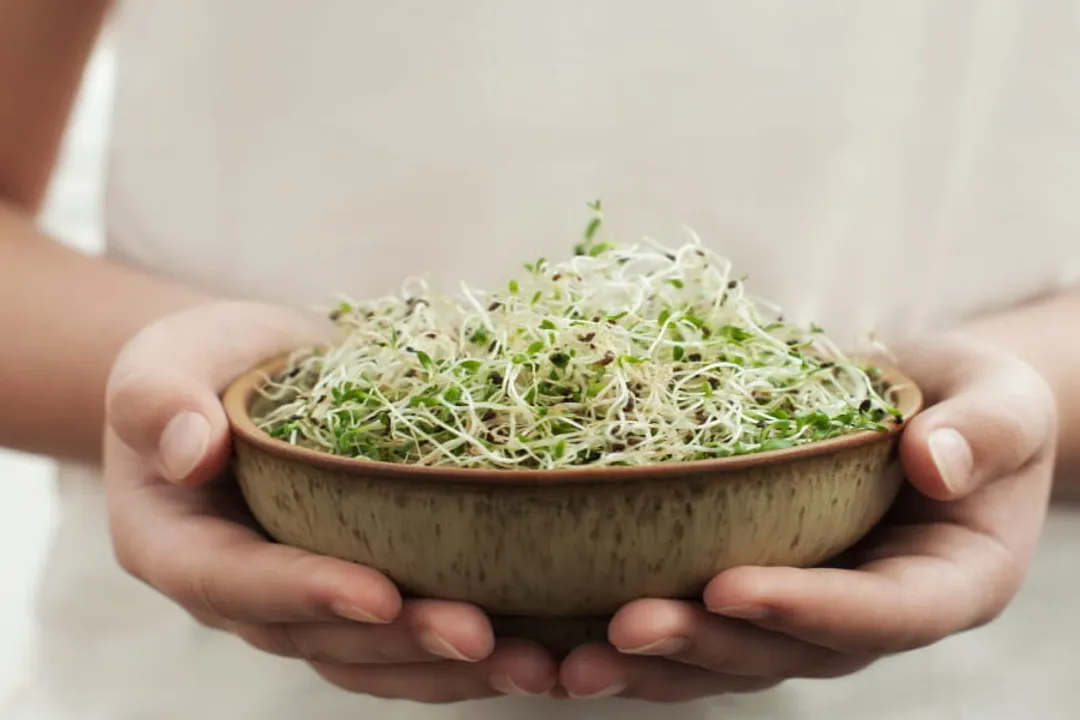
The practice of soaking and germinating seeds, nuts, legumes, and grains—often called sprouting—has gained significant traction among health-conscious consumers who believe this ancient technique unlocks superior nutrition. The process transforms dormant seeds into small, living plants, triggering biochemical changes that proponents suggest make the food more bioavailable and nutrient-dense than its unsprouted counterpart. [1][2] However, assessing whether sprouted foods are always healthier requires looking closely at the specific biochemical shifts that occur during this germination period, rather than accepting the marketing as absolute fact. [3]
# Nutrient Shifts
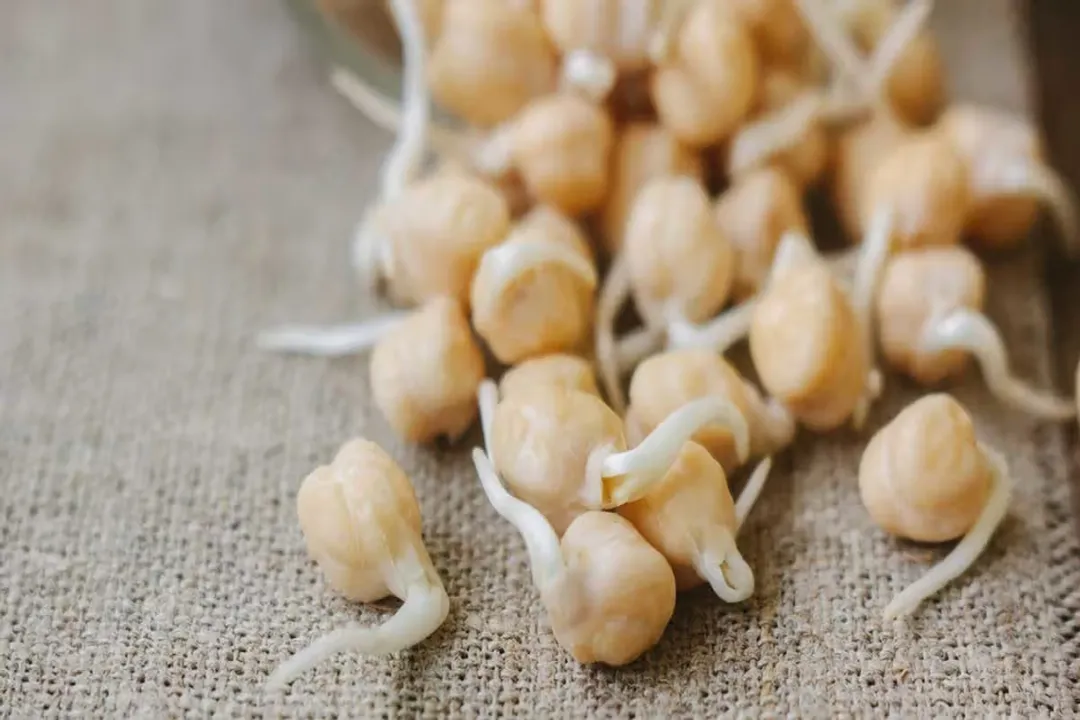
When a seed begins to sprout, its internal chemistry shifts dramatically as it prepares for growth. This activation process breaks down stored materials to fuel the embryo, which results in notable changes in vitamin and mineral content. [1] For instance, studies indicate that sprouting can increase the levels of certain B vitamins, such as folate (B9) and niacin (B3). [1][2] Some research also suggests an increase in Vitamin C, which is practically absent in dry grains. [1]
The increase in certain nutrients is often accompanied by a decrease in what are sometimes termed "anti-nutrients". [2] Phytic acid, for example, is a compound found in grains and legumes that can bind to minerals like iron, zinc, and calcium, reducing their absorption in the human body. [1][2] The sprouting process activates the enzyme phytase, which begins to break down phytic acid, thereby increasing the body's ability to absorb those essential minerals. [1][2] Similarly, the germination process can lower the content of complex starches, making the food easier to process. [2]
While many nutrients increase, it is important to note that not every component sees a boost. Some sources point out that while certain vitamins go up, the concentration of some minerals might remain similar or even slightly decrease after accounting for the water added during the sprouting process. [3] The overall effect is a nutritional profile that is altered, sometimes significantly, rather than a simple blanket increase across the board. [1]
# Digestibility Factors
One of the most consistently cited advantages of eating sprouted foods relates to how easily the body breaks them down and uses them. This improved digestibility stems from the enzymatic activity inherent in the sprouting process. [2]
As seeds germinate, enzymes are produced to convert stored macromolecules (like proteins and starches) into simpler forms the seedling can use. [2] For human digestion, this means that the complex proteins begin to break down into more easily absorbed amino acids, and complex carbohydrates start transforming into simpler sugars. [2] This transformation can be particularly beneficial for individuals who experience difficulty digesting heavy grains or legumes in their raw or unsprouted state. [2][6]
For example, sprouting can reduce the amount of certain carbohydrates that might cause digestive distress. [1] An analysis of sprouted whole wheat, for example, shows that the process increases levels of free amino acids, which are the building blocks of protein, potentially improving protein quality and utilization. [1] In the case of sprouted seeds, this enzymatic action can lead to surprising benefits for gut health, as the pre-digested components are less taxing on the digestive system. [9]

# Glycemic Response
For many people managing blood sugar or seeking sustained energy, the way a food impacts glucose levels is critical. Sprouted grains, particularly when used in products like bread, appear to offer an advantage here. [4]
It has been observed that whole grain breads made with sprouted grains often have a lower glycemic index (GI) compared to those made with regular flour. [4][7] This lower GI suggests that the sugar in sprouted grain products enters the bloodstream more slowly, leading to a gentler rise in blood glucose levels rather than a sharp spike. [7] The modification of starches during germination contributes to this effect, altering how quickly the carbohydrates are broken down into glucose in the digestive tract. [1][7] If you are someone focused on metabolic health, choosing sprouted grain bread over refined white bread is an easy swap, but even compared to standard 100% whole wheat, the sprouted versions often show a measurable benefit in moderating blood sugar spikes. [5][7]
Consider a scenario where someone swaps their standard morning toast for one made from sprouted wheat. The intact germ and endosperm structure, combined with the nutrient changes, means the body has to work differently to extract the energy, often resulting in feeling fuller longer due to slower digestion and more stable energy levels throughout the morning. [4]
# Gut Health Connection
Beyond general digestibility, the impact on the microbiome—the community of bacteria living in the gut—is an area receiving attention. [9] The Go Raw perspective on sprouted seeds suggests that consuming foods that are partially "pre-digested" by natural enzymes can support gut health. [9]
When seeds or grains sprout, they are essentially being activated into a living food state. This enzymatic activity during germination can create beneficial compounds that support a healthy balance of gut flora. [9] Furthermore, the reduction of phytic acid mentioned earlier not only helps mineral absorption but also removes compounds that might otherwise irritate the digestive tract lining. [2] While much of the research focuses on the nutrient composition of the sprouts themselves, the experience of consuming them often leads people to report less bloating or gas, especially when consuming sprouted legumes or seeds over their non-sprouted counterparts. [3]

# Sprout Comparison
It can be easy to generalize that "sprouted is better," but it is helpful to frame the comparison against the baseline food item. For example, sprouted whole grains are typically superior to refined grains because they retain the bran, germ, and endosperm, plus they have the added benefit of reduced anti-nutrients and potentially increased vitamin content. [1][2]
However, the comparison between sprouted whole grains and regular whole grains is more nuanced. Regular whole grains are already nutritious, packed with fiber and essential nutrients. [1] Sprouting enhances the nutrient profile and bioavailability of some components—like folate and B vitamins—but it may not drastically multiply the total content of every single mineral. [3]
| Comparison Point | Regular Whole Grain | Sprouted Grain | Primary Change |
|---|---|---|---|
| Phytic Acid | High | Lower | Increased mineral absorption [1][2] |
| Folate (B9) | Present | Increased | Synthesis during germination [1] |
| Protein Quality | Good | Slightly improved | Increased free amino acids [1] |
| Digestibility | Good | Better | Enzyme activation breaks down starches [2] |
When looking at the sources, there's a consensus that sprouting initiates a beneficial transformation, making nutrients more accessible and easing the digestive load. [1][2] This is why incorporating them, especially in breads and flours, is often recommended by nutritionists when available. [5][7] The tiny sprout packs a significant nutritional punch relative to its dry weight because it is living, active food ready for use. [5]
# Making Smart Choices
Incorporating sprouted foods into your diet doesn't require a complete overhaul, nor does it require you to sprout everything yourself, though that is an option. [6] Many commercially available products, such as breads, flours, and snack mixes, utilize sprouted grains or seeds. [4] When selecting these products, always look at the ingredient list. A bread labeled "sprouted grain bread" should ideally list sprouted whole grains first, rather than being a refined flour bread with a small amount of sprouted grain added. [7]
One practical approach for integrating this knowledge is to focus on substitution where the change is most impactful. If you frequently consume beans or lentils, try sprouting them at home before cooking; the reduced cooking time and enhanced digestibility can be noticeable. [2] For instance, soaking and sprouting mung beans overnight and adding them raw to a salad brings in fresh enzymes and bioavailable nutrients that you simply don't get from a can of regular beans. Furthermore, recognizing that the health benefit isn't just about adding something new, but about unlocking what is already there, changes how one views these foods. Instead of viewing them as a supplement, see them as a more evolved form of the original grain, optimized by nature for growth and immediate energy transfer. [5]
Ultimately, whether sprouted food is healthier depends on what metric you prioritize—vitamin density, mineral bioavailability, or digestive ease. In most measurable ways, the act of sprouting improves the nutritional ledger, particularly by boosting certain B vitamins and making minerals easier to absorb. [1][2]
Related Questions
#Citations
Are sprouted grains more nutritious than regular whole ...
Are Sprouted Grains and Legumes Healthy?
Do sprouts really have more nutritional value than adult ...
10 Ways Sprouted Bread Is More Nutritious
Tiny sprouts provide big nutrition
Sprouted Grain Bread: Anything To It?
The Budding Benefits of Sprouted Grains
Ask the Experts – Center for Health & Nutrition Research
The Surprising Gut Health Benefits of Sprouted Seeds