Is mango healthier than avocado?

Choosing between a creamy avocado and a sweet mango often feels like a delicious dilemma, as both are celebrated as nutritional powerhouses packed with essential elements that support everything from metabolism to gut health. While both tropical favorites are frequently enjoyed, a closer look at their individual profiles reveals two very different avenues for promoting wellness. The question isn't necessarily which is "better," but rather which one aligns better with your immediate dietary goals, especially since their macronutrient structures diverge so dramatically, even when their calorie counts might seem comparable in certain serving sizes.
# Macronutrient Contrast
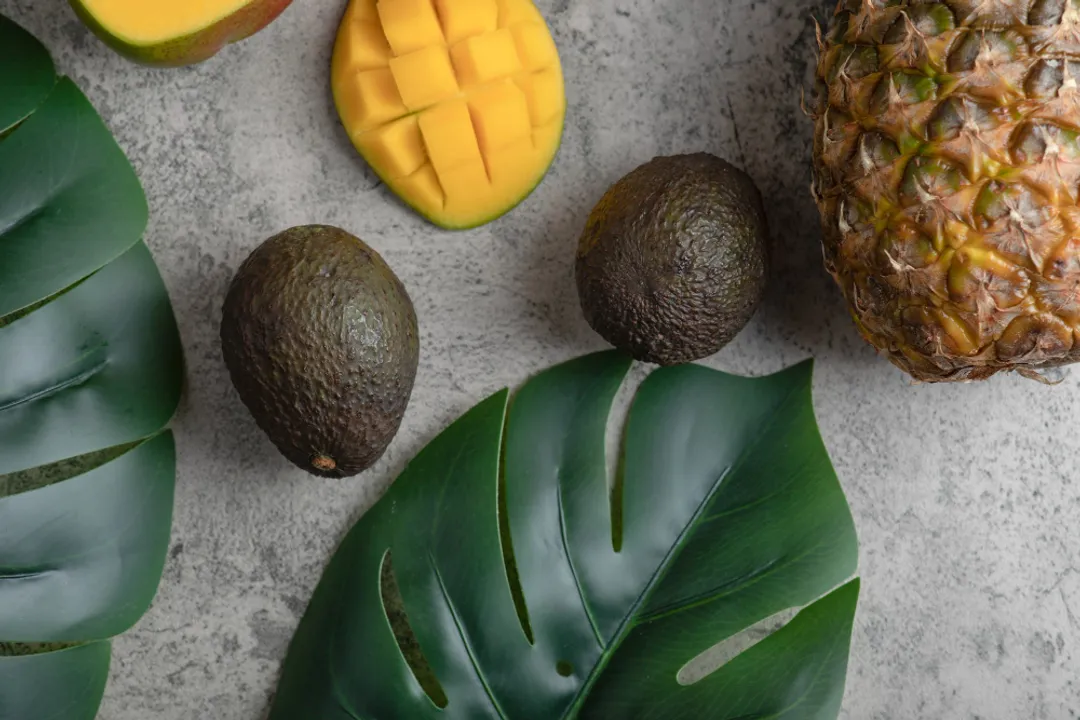
The most striking difference between mango and avocado lies in their primary fuel source. An avocado, often categorized with vegetables in culinary use, delivers its calories predominantly from fat, whereas the mango is a carbohydrate-centric fruit.
Per 100 grams, the difference is stark:
- Avocado: Approximately 167 calories, with about 77% of those calories coming from fat. It is significantly heavier in fat and lighter in carbohydrates compared to mango.
- Mango: Approximately 60 calories, with roughly 90% of its calories derived from carbohydrates.
This macronutrient distribution explains why an avocado feels richer and more substantial. A medium avocado can contain about 22 grams of fat, though much of this is the heart-healthy monounsaturated type. In contrast, a 100-gram serving of mango contains only about 0.09 grams of saturated fat.
# Sugar and Fiber
When sugar is the concern, avocado is the clear choice for moderation. Per 100 grams, mango carries about 13.7 grams of sugar, while avocado contains a mere 0.3 grams. This means mango has over 44 times the sugar content of avocado by weight. Mango is high in fructose, which can provide an immediate burst of energy.
However, both fruits contribute positively to digestive health through fiber, though avocado holds a significant advantage here. Avocado boasts approximately 6.8 grams of dietary fiber per 100 grams, which is 325% more than the 1.6 grams found in mango. This high fiber load in avocado is excellent for promoting feelings of fullness (satiety) and aiding digestion. That said, mango still provides digestive enzymes like amylases, which help break down complex carbohydrates, and its fiber content can help prevent constipation.
For those tracking intake, a recommended healthy portion of mango is often cited around 80 to 100 grams daily. For avocado, one whole fruit is roughly equivalent to 250 calories, which dietary guidance suggests equates to eating about two or three standard pieces of fruit.

# Vitamin Richness
While avocado excels in healthy fats and fiber, mango is a vitamin powerhouse, particularly in the water-soluble and fat-soluble categories that support immunity and vision.
Mango is an exceptional source of Vitamin C, providing about 36.4 mg per 100g, which is 314% more than avocado. Vitamin C is vital for strengthening the immune system and is necessary for the creation of collagen, supporting skin health and wound healing. Furthermore, mango contains substantially more Vitamin A (in the form of beta-carotene) than avocado—about 671% more per 100g. Beta-carotene is beneficial for skin and immune function.
Avocado, on the other hand, shines in the B-vitamin complex and key minerals. It contains more Thiamin, Riboflavin, Niacin, Pantothenic acid, and Vitamin B6 than mango per 100g. Both fruits contain notable amounts of Folate.
# Mineral Comparison
Potassium, crucial for heart rhythm and bone health, is another area where the avocado pulls ahead significantly. Avocado contains about 507 mg of potassium per 100g, which is over 200% more than mango's 168 mg. In fact, avocado is often noted as providing more potassium than even bananas. Avocado also contains more Iron than mango.
When looking at specific antioxidants:
- Mango has more beta-carotene.
- Avocado contains higher levels of lutein and zeaxanthin, compounds beneficial for eye health, and alpha-carotene. Mango contains mangiferin, a bioactive compound associated with its various health properties.

# Targeted Health Applications
The unique nutrient profiles of each fruit lead to distinct health advantages, making the choice context-dependent.
# Heart Benefits
Avocados are strongly associated with cardiovascular wellness. Consuming them is linked to lowering total cholesterol and LDL ("bad") cholesterol, especially in those with high cholesterol levels. A long-term study involving many participants suggested that eating two servings of avocado weekly correlated with a reduced risk of both general cardiovascular disease and coronary heart disease. Replacing saturated fats like butter with avocado yielded similar positive results.
Mangoes also support heart health through their potassium and magnesium content, which help regulate blood pressure and maintain heart rhythm. Additionally, studies attribute several beneficial properties to mango, including cardiotonic and hypotensive effects, which are linked to its fiber and bioactive compounds like mangiferin.
# Energy and Digestion
If your goal is quick refueling, mango is the sprinter. Its higher sugar content provides immediate energy. The presence of digestive enzymes like amylases makes it effective at breaking down carbohydrates. However, the timing matters: eating mango with or immediately after a meal can negatively affect the stomach's pH balance and potentially disturb the meal's glycemic index and load. For optimal utilization of its sugars and micronutrients, it is suggested to eat mango on its own, perhaps first thing in the morning or directly after physical activity.
Avocado, due to its abundance of healthy fats and very high fiber content, is better suited for sustained energy and satiety, making you feel full longer. It's a great source of energy in general.
# Research Findings
Scientific inquiry supports the benefits of both. For mangoes, research has pointed toward antidiabetic, anti-inflammatory, and anti-viral properties, among many others, thanks to its constituents. For avocados, the evidence often centers on cholesterol management and cardiovascular protection.
A useful way to frame the decision is by considering local availability, as one dietitian advises that the less food travels, the greater its nutritional retention. If you have access to truly local, seasonal mangoes, you maximize that nutritional boost. Conversely, avocados, being often imported or exotic in many regions, require a different perspective on dietary contribution.
# Strategic Consumption
When integrating these fruits into a daily plan, mindful portioning is key, given their differing caloric densities. If you are aiming for weight management or blood sugar stabilization, the avocado’s high fat, low sugar profile makes it an excellent addition for satiety, provided you manage the overall fat intake, as one avocado is about 21 grams of fat.
If your diet is lower in Vitamin C or you need a quick, nutrient-dense boost—perhaps following intense exercise—mango is a fantastic choice. However, individuals managing diabetes should adhere to the recommended daily portion of 80-100 grams of mango to help control blood sugar levels.
It is interesting to note that both fruits are considered highly versatile. Avocados are equally good in savory applications, like guacamole, or creamy additions to sweet dishes. Mangoes, celebrated in many cultures as the "king of fruits," are enjoyed fresh, frozen, or even made into aamras.
Ultimately, the comparison highlights a choice between two distinct healthy archetypes: the Mango as a source of vibrant vitamins, quick energy, and specific antioxidants, and the Avocado as a source of heart-healthy fats, superior fiber, and critical minerals like potassium. Neither fruit must be entirely excluded; rather, they should be consciously selected based on whether the body is calling for the sweet, instant lift of a carbohydrate-rich fruit or the creamy, satiating benefits of a high-fat source. Integrating both fruits into your diet, acknowledging their nutritional differences, ensures you benefit from the wide spectrum of health compounds each provides.
#Videos
Avocado vs. Mango! Choose The Best - YouTube
Related Questions
#Citations
Avocado vs Mango: With both having similar calories, which one is ...
Mango Vs Avocado - Nutrition Comparison - Souper Sage
Avocado vs. Mango! Choose The Best - YouTube
23 Healthiest, Most Nutritious Fruits to Eat, According to a Dietitian
Dietitian Tip - Seasonal Local Mangoes or Exotic Avocados?
Avocado and Mango FAQs - Reyes Gutiérrez