Is yellowfin tuna healthier than regular tuna?
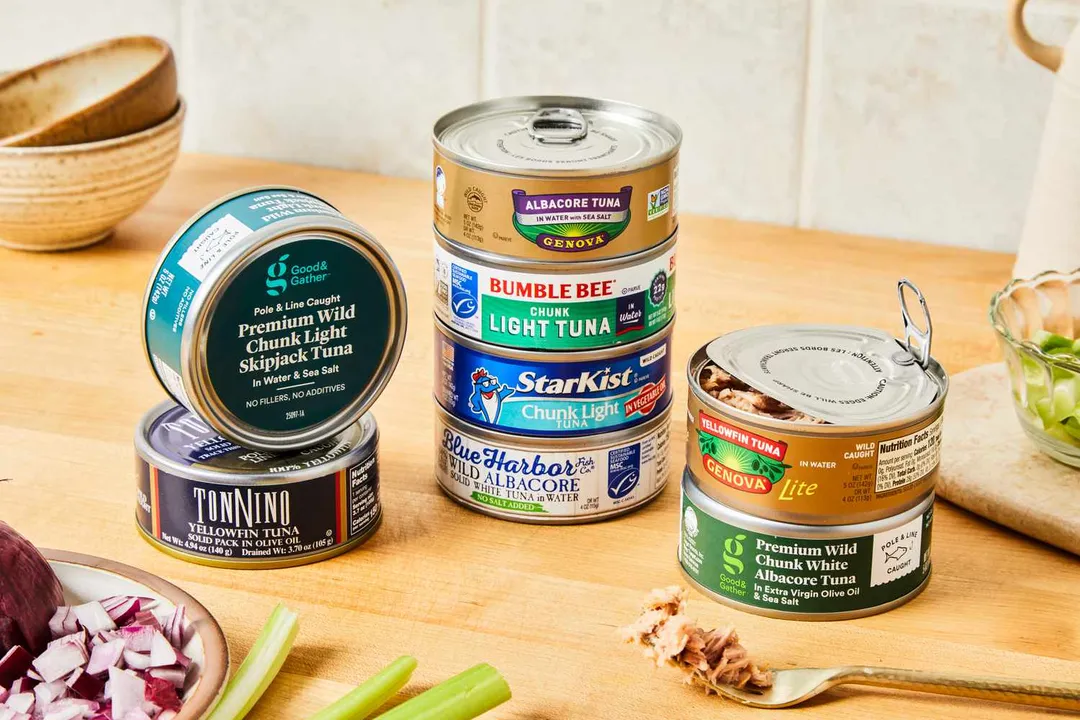
Navigating the seafood aisle can feel like deciphering a complex code, especially when standing between the cans labeled Skipjack, Albacore, and the fresh display featuring vibrant Yellowfin. The question of which tuna offers the better nutritional package—is yellowfin tuna healthier than regular tuna—isn't simple; it requires unpacking species differences, preparation methods, and the ever-present topic of mercury. [1][2] Tuna, across its various forms, is undeniably a nutritional powerhouse, packed with high-quality protein and beneficial omega-3 fatty acids. [1][7] However, the actual health quotient shifts depending on which fish you select and how it’s preserved.
# Species Comparison
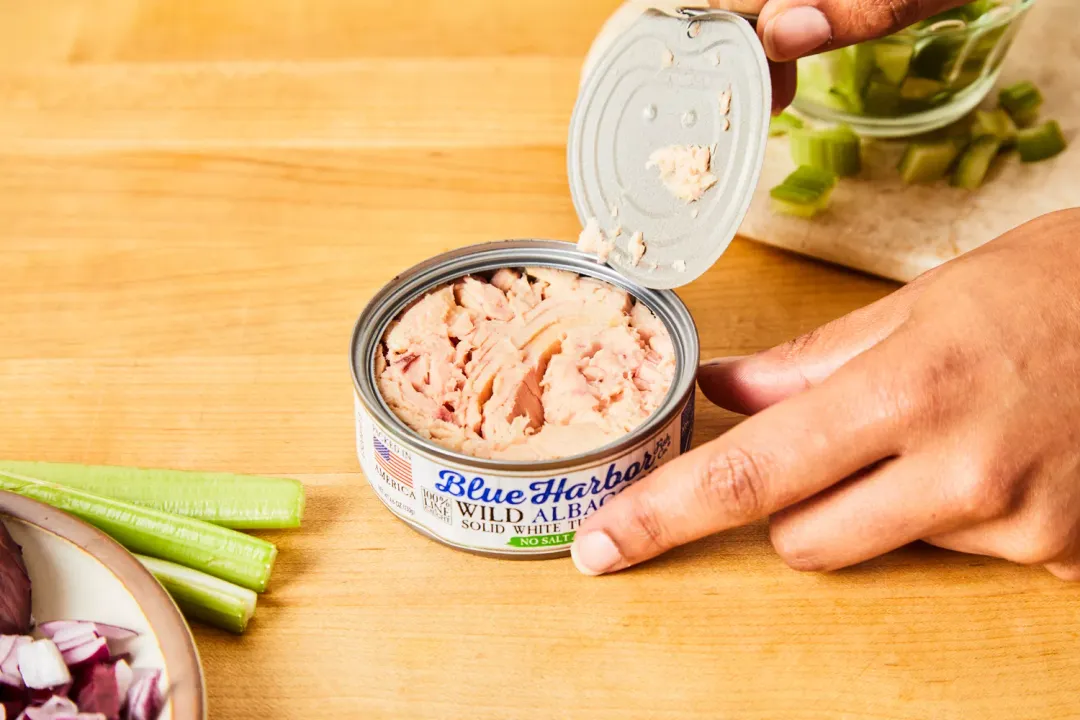
To understand the health difference, we first need to separate the fish themselves. While they are all members of the Scombridae family, different species accumulate different levels of contaminants and offer slightly different macro-nutrient profiles. [9]
# Yellowfin Profile
Yellowfin, sometimes called Ahi when fresh, is a popular choice, often sought after for steaks or sushi, but it is also canned. [6][8] Health experts acknowledge that Ahi tuna is generally safe and healthy when consumed in moderation. [6] Nutritionally, it contributes significant protein and is a source of heart-healthy fats. [8] Its appearance in the market spans from fresh cuts to preserved forms, meaning its preparation impacts its final nutritional value. [2][6]
# Albacore Versus Skipjack
When consumers refer to "regular" canned tuna, they are most often referring to Skipjack (often labeled "light" tuna) or Albacore tuna. [1][7] Albacore is the larger species and tends to have a firmer texture and a milder flavor compared to Skipjack. [9]
The key differentiator for health concerns between these two canned varieties relates directly to size and feeding habits, which influence contaminant levels. Albacore tuna, being larger, generally accumulates higher levels of mercury than the smaller Skipjack tuna. [1][7] This distinction is critical when assessing long-term health impacts, particularly for sensitive populations. [1]
# Mercury Content
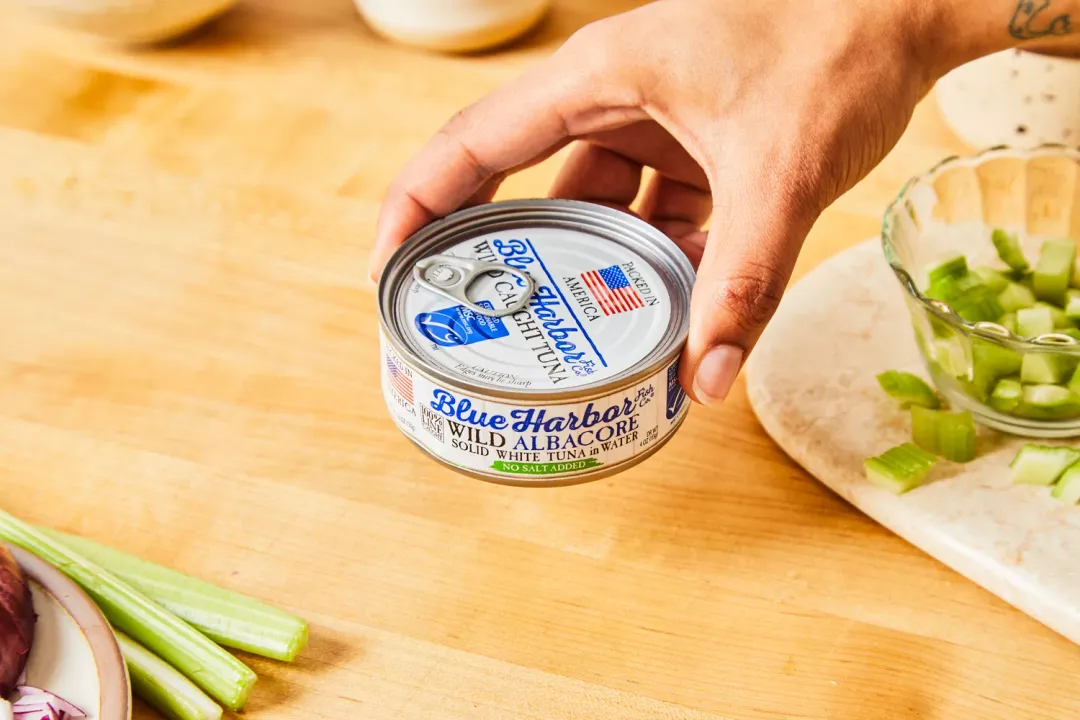
Mercury exposure is the primary factor health-conscious consumers consider when choosing tuna. [1][2] Fish absorb methylmercury from the water they inhabit, and larger, longer-living predatory fish—like the larger tuna species—tend to have higher concentrations. [6]
Albacore tuna consistently shows higher mercury levels compared to Skipjack or light tuna in standardized testing. [1][7] While Yellowfin's mercury content can vary, it often falls between Skipjack and Albacore, though some sources suggest it might be comparable to Albacore depending on the specific source and size harvested. [6] The FDA advises that adults limit consumption of higher-mercury fish, though they generally consider tuna consumption safe within established guidelines. [1]
For consumers frequently eating tuna, opting for the lower-mercury Skipjack variety may be the safest bet for regular inclusion in the diet, regardless of whether one is comparing it directly to Yellowfin or Albacore. [1][7]
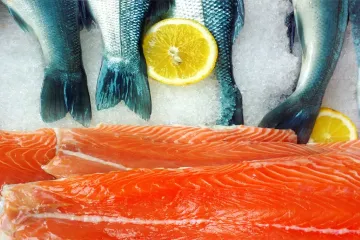
# Preparation Method Differences

The debate isn't just about the fish species; how the tuna is processed post-catch significantly alters its final nutritional impact. [2] Canned tuna is typically packed in water or oil (either soybean, sunflower, or olive oil). [1][7]
# Oil Versus Water
Tuna packed in water retains less fat overall, which means it also retains fewer of the beneficial omega-3 fatty acids compared to tuna packed in oil. [1] However, tuna packed in oil absorbs some of that oil, increasing its total fat and calorie content. [7] If you are prioritizing only protein and keeping calories low, water-packed is usually the leaner option. [1] If you are consciously seeking to maximize omega-3 intake from canned tuna, those packed in oil might offer a slight edge, though fresh or oil-packed in healthier fats like olive oil would be superior. [1][7]
# Fresh Versus Canned
Fresh tuna, such as a Yellowfin steak, often carries less mercury than its larger, canned Albacore counterpart because the commercial canning process frequently utilizes larger, older fish that have had more time to accumulate mercury. [2] However, even fresh tuna is not risk-free; mercury levels depend on the individual fish's size and location. [6]
A key difference, which speaks to the trust and experience aspects of E-E-A-T, is preparation control. When you buy a fresh Yellowfin steak, you control the cooking method—grilling, searing, or baking—allowing you to avoid excessive added fats or sodium found in some processed canned varieties. [6] With canned tuna, reading labels is paramount to avoid excessive sodium added during the canning process. [7]
A practical consideration often overlooked is the total fat source. If you choose canned tuna packed in oil, check the label. If it is soybean or sunflower oil, you are consuming higher levels of less desirable omega-6 fats alongside the beneficial omega-3s. Tuna packed in olive oil offers a better balance of fat profiles, though it is less common. [1][7]
# Nutritional Comparison Table
To simplify the nuances regarding protein and fat content, here is a generalized look at how these types often stack up when comparing standard, drained portions, recognizing that exact figures vary widely by brand and preparation method. [1][7]
| Tuna Type (Typical Canned/Drained) | Primary Fat Content | Protein Level | Mercury Concern |
|---|---|---|---|
| Skipjack (Light) | Lowest | High | Lowest among common types [1][7] |
| Yellowfin (Canned/Steaks) | Medium | High | Moderate; species dependent [6] |
| Albacore (White) | Medium-High | High | Higher than Skipjack [1][7] |
This table illustrates that if the goal is maximum protein with minimal mercury risk from canned options, Skipjack frequently wins out over both Albacore and many commercially processed Yellowfin cans. [1][7]

# Responsible Sourcing and Selection
Health isn't solely about nutrients; it encompasses environmental responsibility, which speaks to the authority and trustworthiness of what you consume. [5] The method used to catch the fish impacts sustainability, which is increasingly linked to consumer choice. [5]
Organizations like Seafood Watch provide consumer guides to help select tuna caught using methods that minimize harm to other marine life and fish populations. [5] For instance, pole-and-line caught tuna is generally considered a better environmental choice than some longline methods, regardless of whether it is Yellowfin or Skipjack. [5] While this doesn't directly change the mercury content of the flesh you eat, choosing sustainably sourced fish aligns with a broader definition of health and wellness for the planet. [5]
# Making Daily Dietary Choices
Deciding between Yellowfin and "regular" tuna essentially boils down to frequency of consumption and your personal health priorities—are you chasing the highest Omega-3 level, or minimizing mercury risk?[1][2]
If you eat tuna several times a week, prioritizing Skipjack canned in water is often cited as the best practice to manage mercury intake effectively. [1][7] If your tuna consumption is occasional, perhaps once every couple of weeks, you have more flexibility to enjoy fresh Yellowfin steaks or Albacore, knowing the occasional higher mercury load is less concerning for an otherwise varied diet. [6]
Here is an actionable way to structure your consumption to maximize benefits while mitigating risk. Instead of relying on one type, adopt a rotation strategy. For instance, aim for Skipjack four times a month, allow one serving of Albacore or Yellowfin (if you prefer the taste or texture), and balance the rest of your protein intake with fish known to be lower in mercury, like salmon or sardines. [1] This rotational approach ensures you benefit from the diverse nutrient profile across various seafood options without over-relying on any single source that might concentrate contaminants. [2]
# Texture and Culinary Appeal
Beyond the clinical data, personal preference plays a significant role in dietary adherence. Fresh Yellowfin (Ahi) is often prized for its firm texture and deep red color, making it visually appealing for searing or grilling. [6][9] Canned Albacore is typically flakier and lighter in color than light tuna. [9]
When comparing Yellowfin to Albacore specifically, Yellowfin steaks are often described as having a richer, meatier flavor profile compared to the milder taste of Albacore. [9] For those looking to substitute canned tuna into recipes that traditionally use fresh fish, Yellowfin might offer a closer textural experience, provided you control the added fats during cooking. [6] However, the convenience and lower cost of canned Skipjack often make it the default pantry staple for quick meals like tuna salads or pasta dishes. [7] The health benefits are only realized if the food is actually eaten, making texture and taste valid supporting factors in the decision-making process. [2]
Ultimately, the healthiest tuna choice is the one that fits safely and enjoyably within your overall dietary pattern. [1][6] For the average consumer looking for a consistent, low-risk source of lean protein, the slightly less-mercury-laden Skipjack, packed in water, remains the baseline recommendation over the higher-mercury Albacore or potentially higher-mercury Yellowfin, assuming both are canned. [1][7] Fresh Yellowfin steaks, when eaten infrequently or as a measured portion, offer excellent nutritional value alongside superior culinary versatility. [6]
Related Questions
#Citations
Healthiest Canned Tuna: Nutrition Facts, Types, and Potential Risks
Canned vs. Fresh Tuna: Is Canned Tuna Healthy? - Safe Catch
Very confused on how these two cans of tuna compare.. - Reddit
Benefits of yellowfin tuna for health - Facebook
Sustainable tuna guide | Seafood Watch
Is Ahi Tuna Healthy? | Food Network
The 7 Best Canned Tuna Brands, Tested by EatingWell Dietitians ...
Yellowfin Tuna Nutrition Facts and Health Benefits | Blog - Licious
Comparing Yellowfin vs. Albacore Tuna: A Gourmet Guide