How does the plumcot's physical appearance typically blend the traits of its parent fruits?
Answer
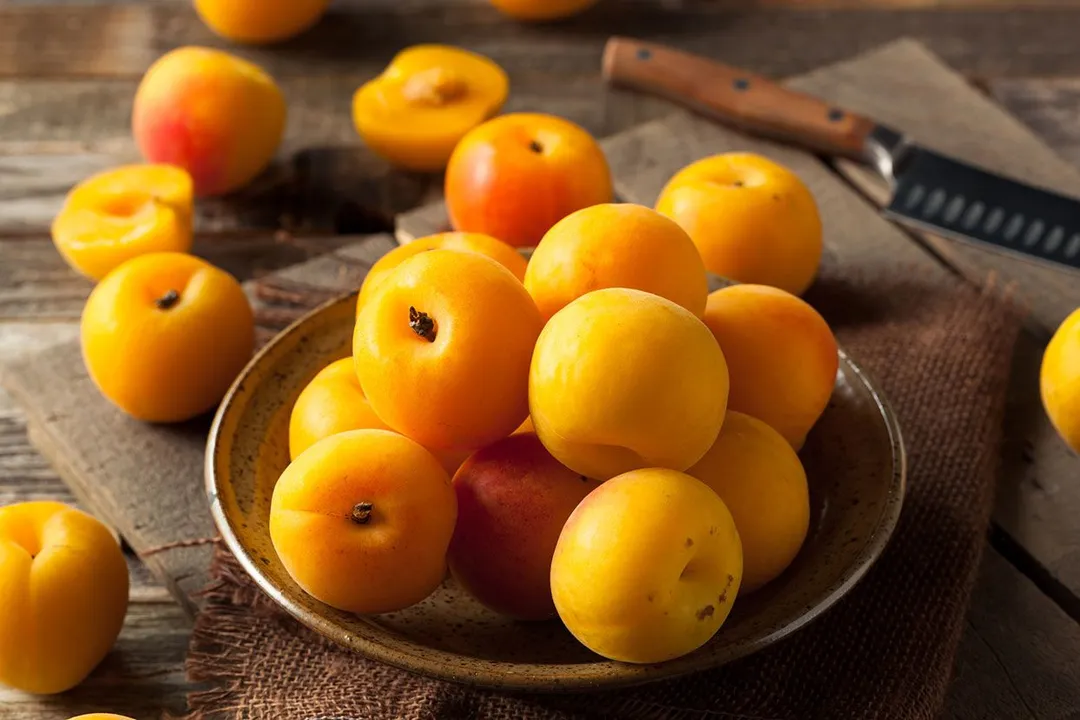
The skin tends to resemble that of a plum (smooth and taut), while the inner flesh often carries the softer, sometimes slightly fuzzy texture of apricots.
Observing a plumcot reveals a genetic combination reflected in its texture. The exterior surface typically displays the smooth and taut quality associated with the plum. In contrast, the interior flesh often reveals characteristics inherited from the apricot parent, presenting as softer and potentially having that slightly fuzzy mouthfeel sometimes linked to apricots. This physical interplay hints at the complex flavor profile contained within the fruit.
Related Questions
What two parent fruits create the plumcot hybrid via intentional cross-pollination?How does the plumcot's physical appearance typically blend the traits of its parent fruits?Which flavor profile generally leans more heavily toward the plum side, offering higher sweetness than a standard apricot?Which specific company is credited with developing the trademarked variety known as the *pluot*?Why is consuming the skin of the plumcot strongly recommended concerning its antioxidant content?What specific mineral, vital for counteracting sodium and supporting nerve signaling, is noted in plumcot nutrition?What simple preparation method, especially after freezing, makes plumcots an excellent naturally sweet base for breakfast shakes?What is the primary limitation concerning the availability of plumcots in the calendar year?If a consumer buys plumcots that are slightly underripe, what is the recommended counter placement method to achieve desired softness?How does the plumcot's overall flavor profile satisfy consumers who find apricots bland or standard plums too tart?