Is restaurant food considered healthy?
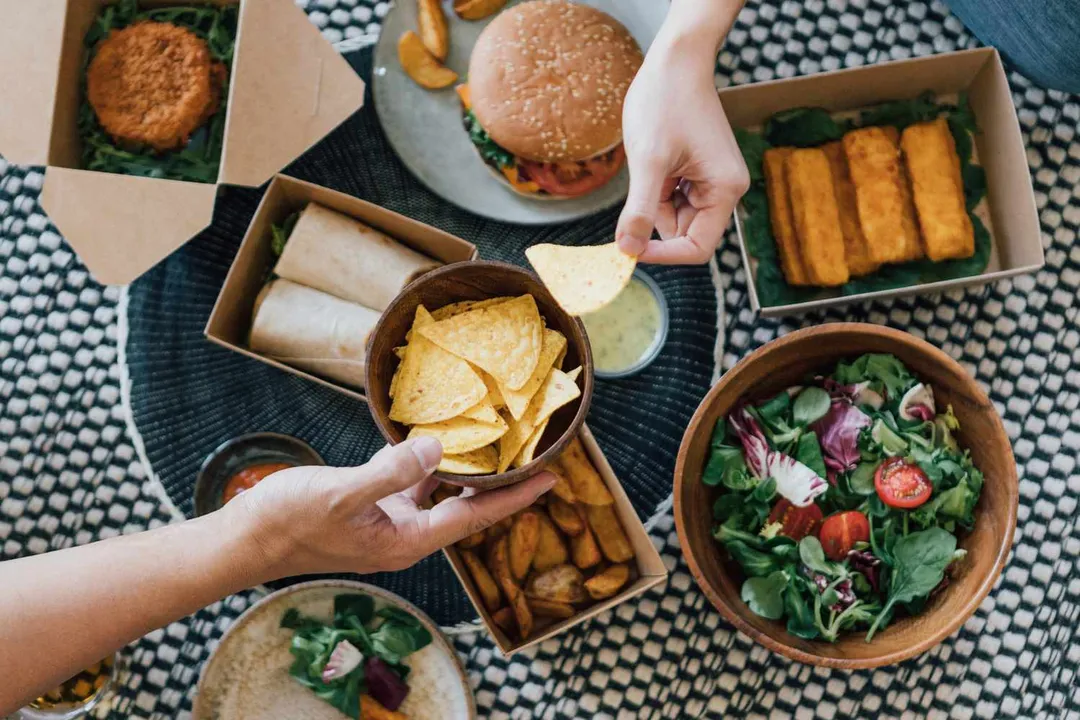
Dining out is a celebrated part of modern life, offering convenience, social connection, and flavors often difficult to replicate in a home kitchen, but the associated nutritional cost is significant. While the occasional indulgence is fine, relying on restaurants and takeout frequently shifts eating patterns toward less healthy outcomes for many people. The core challenge lies in the fundamental difference between how food is prepared for flavor in a commercial setting versus how it is prepared for health at home.
# Health Concerns
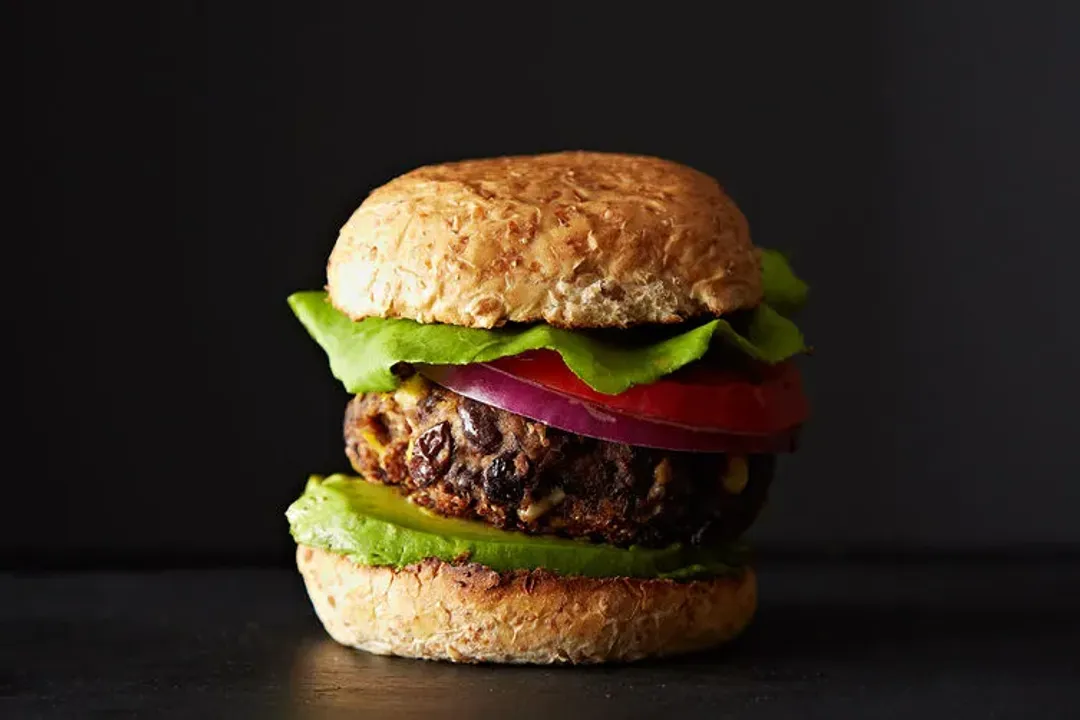
Frequent participation in restaurant dining is associated with elevated health risks across several fronts. Studies have indicated that individuals who dine out often see their overall eating habits become less nutritious. This is not just a slight dip; research highlights that more than three-quarters of widely consumed takeaway and restaurant foods fail to meet basic health standards, typically falling short due to excessive salt, added sugar, or saturated fat content. When this pattern continues, the risks mentioned can include increased likelihoods of obesity, high blood pressure, high cholesterol, and type 2 diabetes.
# Flavor Focus

The reason for this nutritional discrepancy often rests squarely on the chef’s priority: taste. Commercial kitchens are engineered to maximize immediate palatability, and ingredients like butter, oil, and salt are used far more liberally than most home cooks would use, precisely because they enhance flavor so dramatically. It is often the seemingly innocuous additions that carry the heaviest burden. Sauces, gravies, and salad dressings, for example, are major contributors, frequently loaded with hidden fats and sugars that dramatically alter the profile of an otherwise simple dish.
Consider a seemingly straightforward grilled chicken breast. In a restaurant setting, it might be cooked on a griddle coated heavily in oil or butter for moisture and sear, then topped with a creamy pan sauce made from heavy cream and butter, all while the side of potatoes was roasted in a similar fat bath. This preparation drastically differs from simple home grilling with a light brush of olive oil.

# Size Matters

Beyond the ingredients themselves, the volume served creates another layer of caloric density. It is common for a single restaurant meal to contain significantly more calories than the portion you would prepare for yourself at home for the same dish, sometimes totaling twice the amount. This often forces consumers into a difficult choice: leave a large portion unfinished or consume far more energy than intended for that sitting.
When you factor in the richness of the preparation methods—heavy sauces, liberal oil use—and the sheer size of the plate, a single meal can easily represent a substantial portion of one's total recommended daily caloric intake, long before appetizers or dessert are considered.
# Local Dishes
While national chains may face scrutiny or even publish some nutritional data, the experience in smaller, independent eateries can vary widely. In many local establishments, traditional preparation methods passed down through generations often rely on time-tested, flavor-forward techniques that inherently include higher amounts of saturated fats or foundational roux-based sauces. These methods are deeply embedded in the expected taste of regional cuisine, making proactive questioning about preparation methods perhaps even more crucial when patronizing a family-run business than at a large corporate venue.

# Making Better Choices
Fortunately, enjoying time out does not necessitate completely abandoning dietary goals. Success in restaurant dining hinges on being an informed and proactive customer. While many dishes lean toward the unhealthy side, there are avenues to navigate the menu successfully by making smarter selections and targeted requests.
Here are a few actionable steps to steer your order toward better health:
- Question the Cooking Style: Always ask how items are prepared. Favor baking, grilling, steaming, or broiling over frying or sautéing.
- Sauce Separation: Dressings, gravies, and sauces should almost always be requested on the side. This allows you to control the exact quantity applied, minimizing hidden fat and sugar intake.
- Load Up on Green: Ask to substitute side dishes. Swap fries or creamy sides for double steamed vegetables or a side salad.
- Watch the Extras: Be mindful of the first things brought to the table, like bread baskets, chips, or complimentary bread served with oil dips. These add immediate, often uncounted calories.
- Seek Whole Foods: Look for menu items that clearly feature whole grains or substantial servings of vegetables as primary components, not just garnishes.
An entree portion is frequently designed for consumption that far exceeds a single, balanced meal requirement. A simple habit can help manage this intake immediately: when your main course arrives, ask for a to-go container and immediately portion half of the dish into it before taking the first bite. If an average restaurant entree hovers around 1,200 calories, proactively setting aside half saves around 600 calories right away and guarantees a planned, smaller lunch for the following day, effectively segmenting one large, dense meal into two sensible ones.
By understanding why restaurant food tends to be richer—the focus on flavor, large portions, and hidden fats—and adopting specific request strategies, patrons can significantly improve the nutritional quality of their dining experiences.
Related Questions
#Citations
Is restaurant food healthy? : r/nutrition - Reddit
On the menu: Study says dining out is a recipe for unhealthy eating ...
How Eating Out Impacts Your Health - Verywell Fit
More than 75% of popular takeaway and restaurant food is ...
Why is restaurant food so much worse for you than food you make at ...
Dining Out Doesn't Mean Ditching Your Diet
You knew restaurant food wasn't healthy—but here's what you're ...
Restaurant Food May Be Less Healthy Than Fast Food
5 Signs You're Eating Premade Restaurant Food